


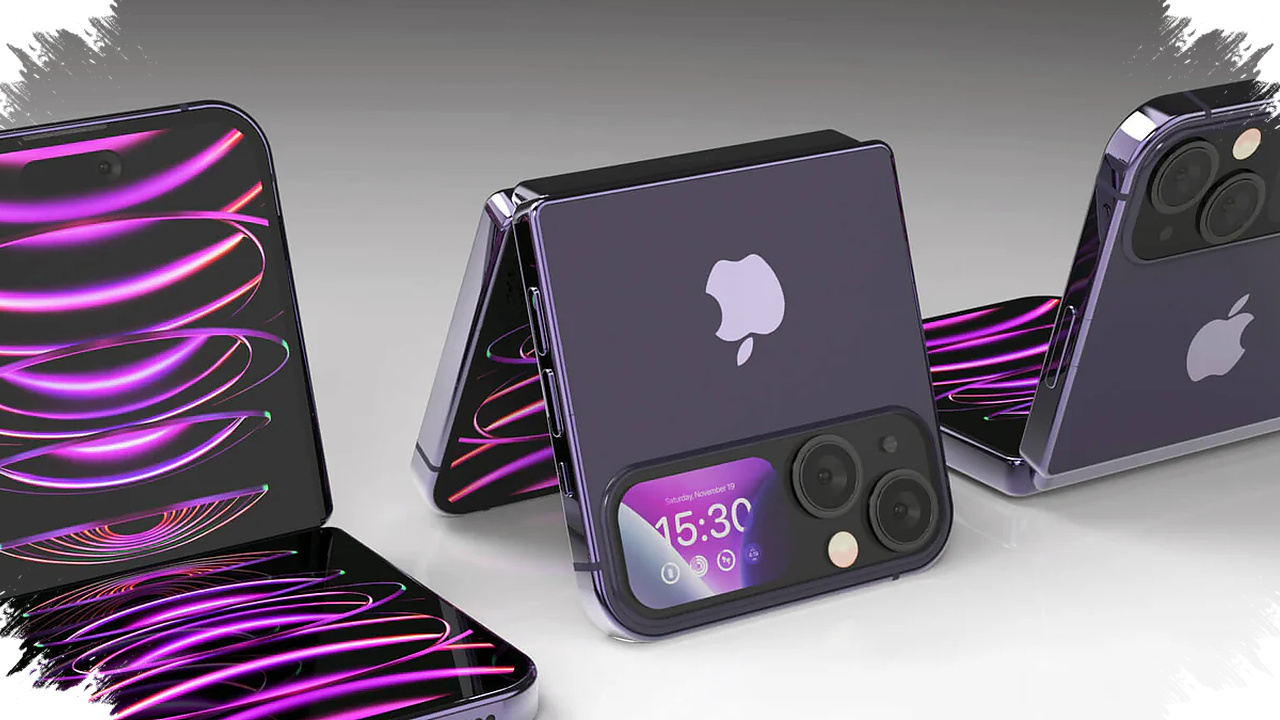
Apple’s long-rumored foldable iPhone is still generating noise, but the latest reports suggest the company has not locked everything down yet. The biggest question now is not whether Apple is exploring a foldable device, but whether its debut could slip after months of conflicting leaks about timing, production, and even the final product name.
Recent reports have painted a mixed picture. Some sources still point to a September unveiling in line with Apple’s usual iPhone launch window, while others say shipping could start in October or be delayed until December if manufacturing does not move fast enough.
Conflicting reports signal a cautious rollout
The uncertainty comes from a familiar Apple pattern: the company moves quietly, and suppliers often reveal fragments before Apple confirms anything. In this case, leaks have clashed over nearly every key detail, which is why the foldable iPhone now looks less like a finished launch plan and more like a project in active tension.
Nikkei Asia previously reported that Apple may face a production delay tied to its foldable model. The outlet said the company’s initial target could be around 7 million to 8 million units, a sign that Apple is treating the device as a major new category rather than a niche experiment.
That estimate matters because Apple usually avoids launching a new iPhone form factor without confidence in supply, experience, and demand. If production is still being refined, a delay would not be unusual for a company that tends to protect its reputation for polished hardware.
What the leaks say about timing
Here is the current range of claims circulating around the foldable iPhone launch:
- A September announcement is still possible, following Apple’s standard iPhone schedule.
- Shipping may begin in October if production is ready but not fully scaled.
- Some reports have floated a later shipment window as far out as December.
- Other leaks say the launch remains on track and that Apple has not moved the timeline.
Bloomberg’s Mark Gurman has tried to calm the speculation, saying the September schedule is still intact. That view adds balance to the conversation and shows that not every supply-chain rumor should be read as a sign of cancellation.
At the same time, a Weibo leaker known as “Instant Digital” claimed the foldable panel supply is improving, with inventory rising to 11 million units, or about 20% above earlier estimates. If accurate, that would suggest Apple is no longer in early testing mode and may already be preparing for a large-scale release.
The name may change too
The debate is not limited to timing. Apple may also be reconsidering what the device should be called once it arrives.
For months, many observers have referred to it as the “iPhone Fold,” which is a simple and descriptive label. But recent reports suggest Apple could instead use the “iPhone Ultra” name, a branding choice that would place the foldable model in a more premium category.
Apple already uses “Ultra” for high-end products such as the Apple Watch Ultra, so the label would fit the company’s broader naming strategy. It would also help Apple frame a foldable iPhone as something more exclusive than a standard folding phone.
Why Apple may be moving slowly
Apple has strong reasons to be careful. The foldable phone market has grown, but it still faces familiar problems such as crease visibility, hinge durability, battery trade-offs, and software adaptation.
Apple usually waits until it believes a product can define a category, not just enter it. That approach has helped the company avoid the rough early years that some rivals faced in folding devices, but it also means Apple risks arriving later than competitors.
The company also has to manage product overlap. Analysts expect a foldable iPhone to target Pro-level buyers, which could pull attention away from the iPhone 18 Pro and iPhone 18 Pro Max. If that happens, Apple would be making a deliberate bet that a new premium design can expand demand without undermining its current best sellers.
Why the launch matters for Apple’s lineup
A foldable iPhone would likely be more than a design refresh. It could reset expectations for Apple’s hardware roadmap and give the company a fresh premium flagship to market for years.
For now, the debate centers on whether Apple is ready to ship at scale. The size of the rumored production run suggests serious intent, but the mixed reports also show that Apple may still be balancing supply, quality control, and launch messaging before it makes the move public.
That is why the current foldable iPhone story feels so fluid. The device may already be close to the finish line, yet Apple’s silence keeps the market guessing about whether the debut will arrive on time, arrive late, or arrive under a new name that changes the conversation again.