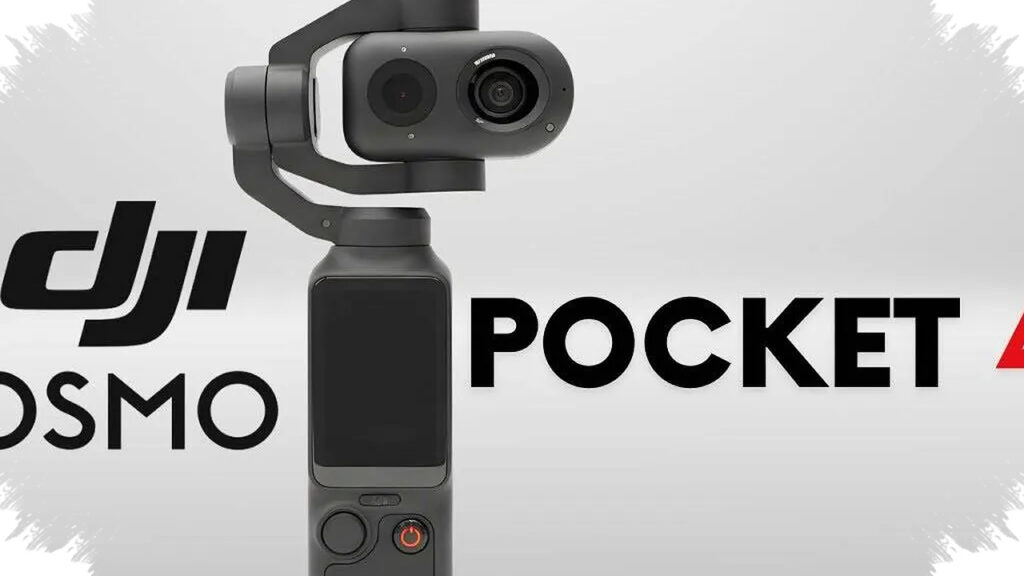
DJI is reportedly preparing to launch the Osmo Pocket 4 on April 16, 2026, and the new model is already drawing strong attention from vloggers and mobile creators. The biggest reason is simple: it is said to bring 6K video recording from a compact gimbal camera that still fits in a pocket.
The leak points to a major upgrade over the previous generation, especially for users who want more detail, more editing freedom, and better performance in a lightweight body. At the same time, one rumored design change has sparked debate fast: DJI may remove the microSD slot entirely.
What the DJI Osmo Pocket 4 May Change
The most important technical shift is the move to 6K video, powered by a 1-inch sensor and a newer image-processing system. That would put the Pocket 4 well ahead of the Pocket 3 in raw resolution, which topped out at 4K.
For creators, higher resolution is not only about sharper footage. It also helps with reframing, digital zoom, and cropping after recording without losing as much detail.
Key rumored upgrades include:
- 1-inch sensor with improved image processing
- 6K video recording support
- 2x optical zoom
- Brighter rotating touchscreen
- Continued compact, pocket-sized design
- Smarter stabilization during movement
The 2x optical zoom is another notable addition because it could solve a common limitation of small vlogging cameras. Users often need to move physically closer to a subject, and optical zoom gives them more framing flexibility without relying on digital enlargement.
Why the Missing microSD Slot Matters
The biggest controversy around the Osmo Pocket 4 is the rumored removal of the microSD card slot. Instead of expandable storage, DJI is said to be betting on larger internal storage and faster wireless data transfer.
That approach could make technical sense for 6K footage, which demands higher write speeds and more reliable file handling. It may also improve sealing against dust and water, since removing the card slot can reduce one external opening on the body.
But the change could frustrate many users. The microSD slot on cameras like this is more than a convenience feature, because it lets creators swap cards on the go, offload files quickly, and avoid running out of space during long shoots.
Why Creators May Be Divided:
| Possible Benefit | Possible Drawback |
|---|---|
| Faster internal recording | No easy memory expansion |
| Better protection from dust and moisture | Harder to manage long shoots |
| Cleaner compact design | Less flexibility for power users |
| Potentially faster wireless transfer | More dependence on built-in storage |
For travel vloggers, event shooters, and documentary creators, the absence of a microSD slot could feel limiting. For casual users, however, built-in storage may be easier and more convenient if the capacity is large enough.
Design Remains Familiar, But More Polished
Despite the spec jump, DJI appears to be keeping the form factor close to what made the line popular in the first place. The Pocket series became a hit because it delivers stabilized video in a small body, and the leaked information suggests DJI does not want to lose that identity.
The rotating screen, a signature feature of the Pocket 3, is also expected to return. This time, it may come with higher brightness, which would help visibility in direct sunlight and make outdoor shooting much easier.
That kind of upgrade matters in real use, not just on spec sheets. A brighter display can improve framing speed, reduce guesswork, and make the camera more usable in harsh lighting conditions.
Release Timing and Market Expectations
According to the current information, DJI plans to announce the Osmo Pocket 4 on April 16, 2026, with global availability expected soon after. If that timeline holds, the device will arrive in a market that is increasingly competitive, especially as creators demand smaller gear with stronger video quality.
Pricing has not been confirmed, but the camera is widely expected to cost more than the Pocket 3 at launch. That would make sense if DJI includes a 1-inch sensor, 6K recording, optical zoom, and substantial internal storage.
What to Watch Before Launch
Before the official announcement, the most important questions remain practical rather than promotional.
- How much internal storage will DJI include?
- Will the missing microSD slot affect real-world recording limits?
- How strong will the 6K quality be in low light?
- Will the battery handle the heavier workload of higher-resolution video?
- How fast will wireless file transfer actually be?
For now, the DJI Osmo Pocket 4 looks like a serious attempt to push pocket gimbal cameras into a new tier. The 6K leap could help it stand out immediately, but the storage decision may end up defining how creators feel about it once it reaches the market.