Designers are increasingly turning to thin tablets because the modern creative workflow now demands portability, fast access, and enough power for everyday visual work. These devices no longer serve only for entertainment, since many now support stylus input, high-resolution displays, and multitasking features that help with sketching, photo touch-ups, content previews, and light video editing.
The shift is also visible in the way tablet makers position their products today. Several recent models are being marketed with productivity-first features, while the source material describes the category as moving closer to “PC-level productivity” thanks to multitasking and built-in AI tools, which makes thin tablets more relevant for designers and content creators who work on the move.
Why thin tablets are gaining attention among designers
Thin tablets offer a practical balance between performance and mobility. For many visual creators, the main appeal is not raw power alone, but the ability to carry a light device that still handles sketches, revisions, and presentations without the bulk of a traditional laptop.
Designers also value the combination of a larger screen, sharp panels, high refresh rates, and precise stylus support. These features can reduce friction during workflow, especially when files need to be reviewed quickly, ideas need to be drafted during travel, or assets need to be adjusted between meetings.
6 thin tablets that stand out for creative work
Below is a simple reference list of thin tablets that are being considered for design-oriented use, based on the source data and current market positioning.
| No. | Model | Key specs | Starting price |
|---|---|---|---|
| 1 | Samsung Galaxy Tab S11 | 11-inch AMOLED display, around 5.5 mm thick, S Pen included | $1,000+ |
| 2 | Xiaomi Pad 7 | 11.2-inch 3.2K 144Hz display, Snapdragon 7+ Gen 3, 8GB RAM | $340+ |
| 3 | Xiaomi Pad 8 | 3.2K 144Hz display, Snapdragon 8s Gen 4, 9,200mAh battery | $465+ |
| 4 | Apple iPad Air M4 | Apple M4 chipset, iPadOS, laptop-like performance | $625+ |
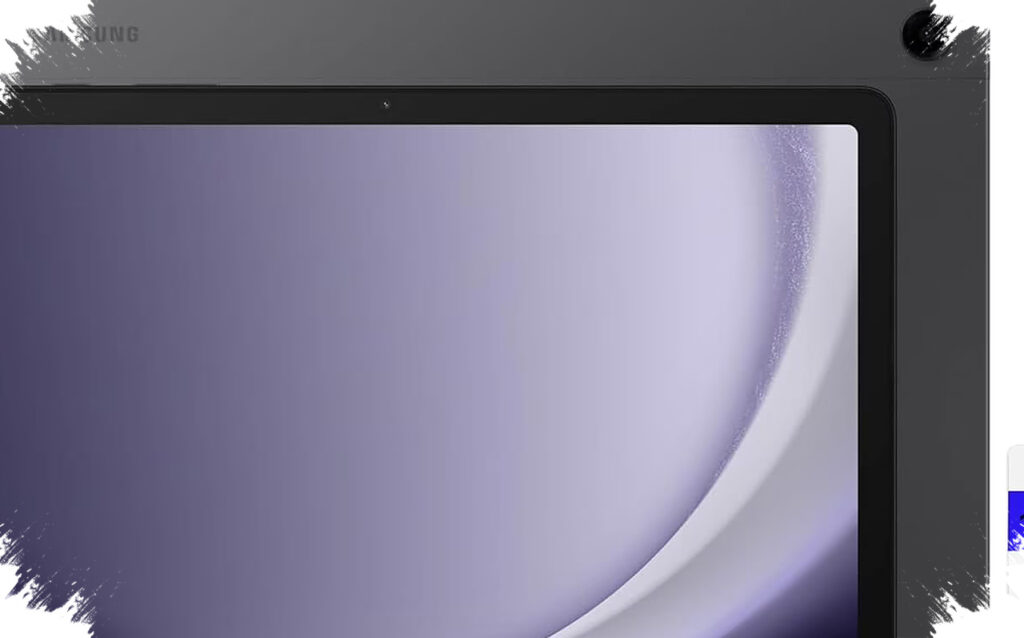
| 5 | Samsung Galaxy Tab A9+ | 11-inch display, up to 8GB RAM | $212+ |
| 6 | Redmi Pad | 10.6-inch display, 6GB RAM | $212+ |
Samsung Galaxy Tab S11 stands out in the premium class because it is very thin and already includes the S Pen in the box. Xiaomi Pad 7 and Xiaomi Pad 8 are more focused on creators who want a fast 144Hz panel and enough performance for visually intensive multitasking.
Which models fit different creative needs?
For users who already work inside Apple’s ecosystem, the iPad Air M4 remains one of the strongest options in this group. Its M4 chipset gives it enough speed for smooth app switching, quick edits, and a workflow that feels close to a lightweight laptop.
For more budget-conscious users, the Samsung Galaxy Tab A9+ and Redmi Pad are practical entry points. Both are suitable for light design tasks, visual note-taking, reference viewing, and presentation use, especially for students, beginner designers, or freelancers who need mobility more than raw processing power.
What makes thin tablets relevant for creative professionals
The appeal of thin tablets comes from three clear advantages. First, they speed up work because sketching, editing, and sharing can happen on one device.
Second, they improve mobility because they are easier to carry than a conventional laptop setup. Third, they support remote and flexible work better, which matters for freelancers and creators who often move between studios, cafés, clients, and classrooms.
Still, there are limits that matter. For heavy 3D rendering, advanced motion work, or complex design production, a tablet is still better treated as a companion device rather than a full replacement for a workstation.
The most reasonable price ranges for buyers
For users with limited budgets, the $200 to $250 range already offers interesting choices for basic creative needs. The Galaxy Tab A9+ and Redmi Pad can serve as first devices for design students or beginner creators building a mobile workflow.
In the mid-range, the Xiaomi Pad 7 looks especially balanced because it combines a 3.2K 144Hz display with the Snapdragon 7+ Gen 3. For professionals who need more headroom, the Xiaomi Pad 8, iPad Air M4, and Samsung Galaxy Tab S11 offer stronger performance options depending on the ecosystem and workload.
As the market moves toward slimmer hardware and more productivity-focused features, thin tablets are becoming more relevant for designers who need a mix of mobility, stylus support, and dependable performance. With choices now stretching from around $200 to premium levels above $1,000, the category gives creative workers more room to match a device with their budget, workflow, and visual needs.