


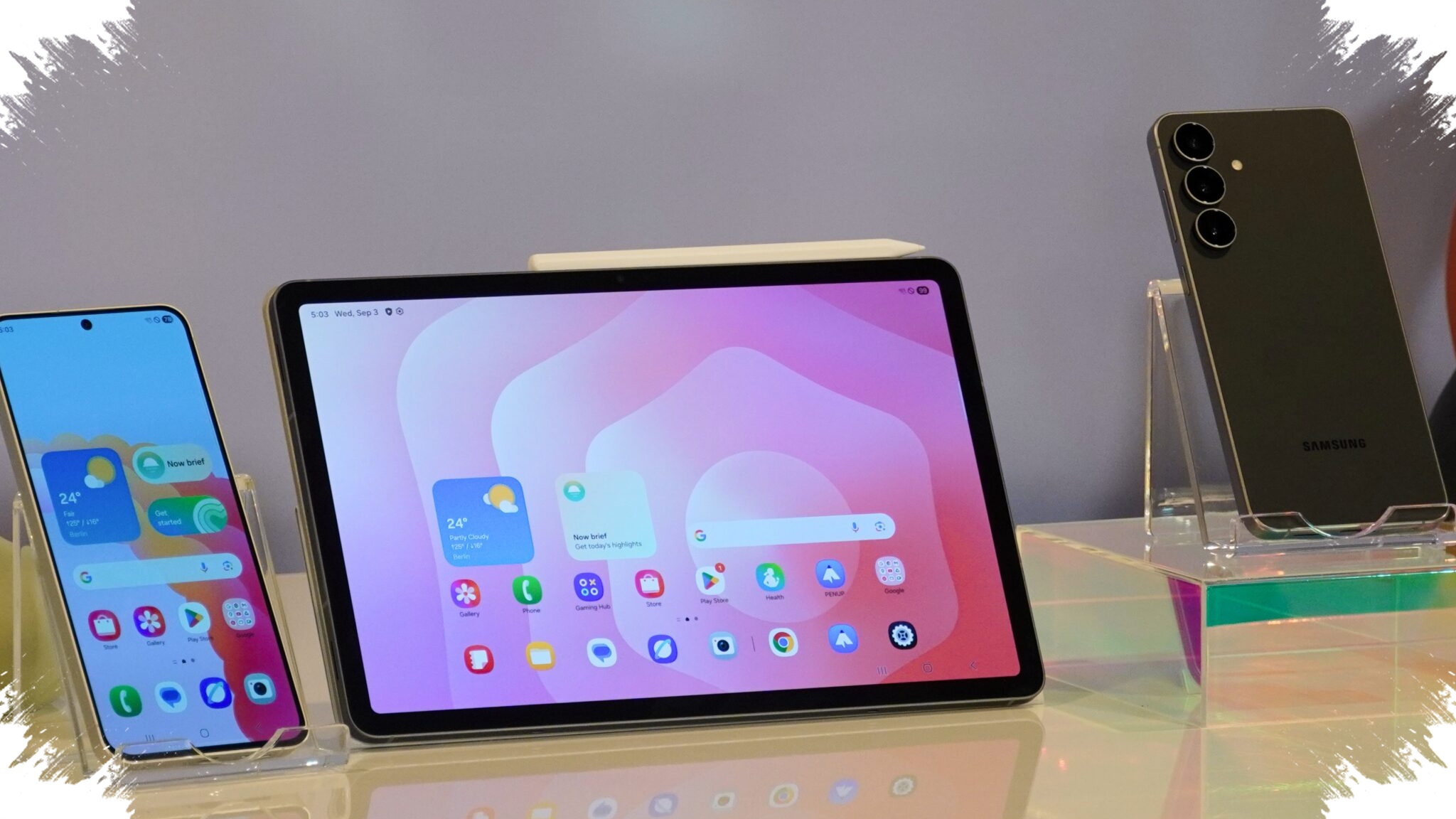
Not long ago, a school tablet in the $70 to $95 range often felt slow as soon as a student opened several apps. In 2026, that budget class looks much more capable, with better RAM, more efficient chipsets, and smoother performance for Google Classroom, PDF reading, video calls, and homework.
This shift matters because many families no longer want a tablet that only works for entertainment. They want a device that can handle school tasks without constant lag, and the newest entry-level tablets are starting to meet that demand at a much lower cost than premium models.
Why low-cost school tablets are improving
The biggest change comes from the hardware mix inside these devices. Tablets that once shipped with very basic processors now use more efficient chips such as Unisoc T618, Unisoc T615, and MediaTek Helio G99, which are better suited for everyday learning tasks.
RAM also plays a major role. A 4GB memory configuration is now widely seen as the minimum practical choice for school use, because it helps tablets keep Google Classroom, browser tabs, note apps, and video meetings open without slowing down too quickly.
Models that stand out in the budget school range
Several tablets in this price segment are getting attention from parents and students because they balance cost and usability. The following models are among the most relevant options for digital learning:
| Model | Display | Chipset | RAM | Approx. Price |
|---|---|---|---|---|
| Advan Tab V8 / VX Lite | 10.4-inch IPS | Unisoc T618 | 4GB | $81–$94 |
| itel VistaTab 11 | 10.1-inch | Unisoc T615 | 4GB | $87 |
| Samsung Galaxy Tab A9 WiFi | 8.7-inch | Helio G99 | 4GB | $94 |
| Redmi Pad SE 8.7 | HD+ | Not specified | Not specified | $87 |
| Evercoss Bravo Tab X7 | Large display | Not specified | Not specified | $75 |
| Infinix XPad entry level | Not specified | Not specified | Large RAM for its class | $94 |
These prices are based on the referenced market ranges, converted from Indonesian rupiah into US dollars for easier comparison. Actual retail prices can move depending on promotions, storage variants, and local availability.
Google Classroom runs smoother on newer entry-level tablets
Google Classroom does not need a flagship device, but it does need a tablet that responds quickly. Students must open classes, download assignments, type answers, switch to apps, and sometimes join Zoom or other meetups in the same study session.
That is where newer budget tablets show clear progress. Better system optimization, more stable chipsets, and larger memory buffers reduce the small delays that used to frustrate students and parents during online learning.
What makes these tablets practical for schoolwork
School use usually depends more on stability than on flashy specs. A student needs a screen that is large enough for worksheets, a battery that lasts through lessons, and a system that does not freeze during simple multitasking.
In many cases, a tablet in the $70 to $95 segment is now enough for these needs. The device can handle reading PDFs, taking notes, watching class videos, and opening learning platforms without the severe sluggishness that once defined low-end tablets.
Who should consider this price bracket
This category fits elementary, middle, and high school students who study online or use digital materials on a regular basis. It also suits college students who need a second device for notes, reading, and lightweight presentations.
Parents looking for an affordable device for children may also find this segment attractive. For families that need a functional school tablet without entering premium pricing, the current entry-level market is far more reasonable than before.
How to choose a school tablet that lasts longer
- Choose at least 4GB of RAM to reduce app reloads.
- Prefer a display around 10 inches for reading and typing comfort.
- Pick WiFi-only or SIM-based connectivity based on daily mobility needs.
- Check battery capacity before buying, especially for full-day school use.
- Prioritize a proven entry-level chipset instead of choosing only the cheapest option.
The 2026 school tablet market shows that low-cost no longer has to mean slow. For families seeking a device that can run Google Classroom smoothly at the minimum price level, the newest $70 to $95 tablets now offer a much more realistic balance between affordability and usable performance.