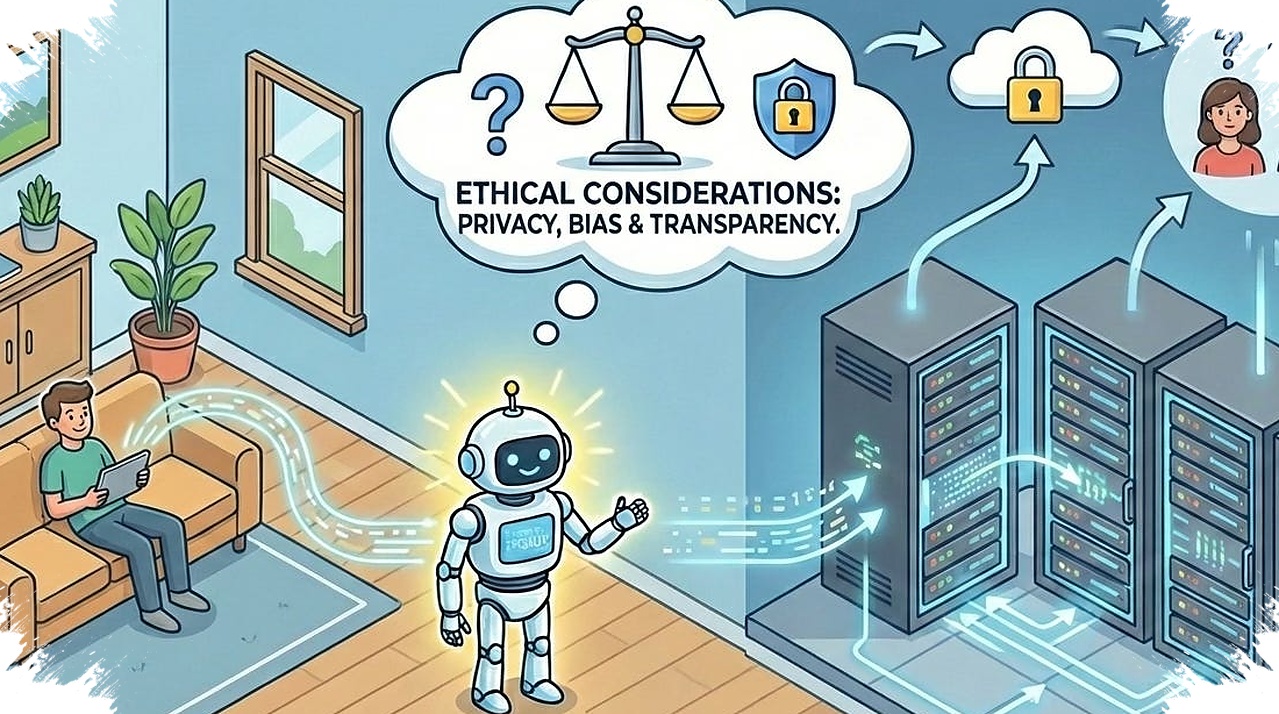
Google’s move to bring Gemini into Gmail is changing how one of the world’s most widely used email services works. With more than 2 billion users affected, the update is drawing attention not only for convenience, but also for the privacy questions it raises.
Gemini now acts as an AI layer inside Gmail that can help draft replies, summarize long threads, and surface emails faster. Google says the system is not trained on user email content, but it still needs to read message context to deliver those features, and that has made privacy a central concern.
What Gemini Changes Inside Gmail


The integration pushes Gmail beyond a traditional inbox and turns it into a smarter productivity tool. Instead of forcing users to scan long conversations manually, Gemini can generate short summaries and suggest responses based on the conversation flow.
That creates a clear efficiency gain for both personal and professional use. At the same time, it also means AI must process sensitive content in order to work, which is why the update has triggered fresh scrutiny from privacy advocates.
Google’s position is that the AI does not use private email content to train its models. Even so, the practical reality is that the system still accesses message data during use, and that is where some users see a risk.
Why Privacy Worries Are Growing
The biggest issue is not only what Gemini can do, but how AI changes the threat landscape around Gmail. Cybercriminals are also using AI tools to produce more convincing phishing emails, making scams harder to detect.
With generative AI, fake messages can copy the tone of real companies, imitate sender language, and create urgent requests that look legitimate. That makes the inbox more vulnerable, especially if users trust automated features too much.
Security experts often point to several common risks:
- More realistic phishing messages that are harder to spot.
- Better impersonation of trusted brands or known contacts.
- Higher exposure to malicious links when users rush.
- Overreliance on AI suggestions that reduces manual checking.
Why Gmail Privacy Matters More Than Ever
Gmail is not just an email service. It connects to a wider Google ecosystem that can include Drive, Contacts, Calendar, and account recovery tools.
That means a single compromised inbox can expose far more than messages alone. It can lead to broader access across a user’s digital life, which is why privacy concerns around Gmail now reach beyond email management.
The cloud-based nature of the service also raises older but still relevant questions about data handling. Users want to know who can access their messages, how long information is stored, and whether AI features change the boundaries of that access.
Technical Rollouts Can Bring Real-World Disruption
Large-scale updates rarely happen without some level of risk. In the referenced report, Gmail experienced a technical disruption that temporarily delayed sending and receiving emails before the issue was fixed.
That kind of incident shows how sensitive big platform changes can be. When a service used by billions introduces new AI layers, even small technical problems can have wide consequences.
What Users Can Do Right Now
The safest response is not to avoid Gmail, but to use it more carefully. Basic account hygiene still plays a major role in reducing exposure to fraud and data loss.
- Review Gmail privacy and AI-related settings.
- Turn on 2-step verification.
- Check the sender address before opening messages.
- Avoid clicking suspicious links or attachments.
- Use a strong, unique password.
- Watch login activity from unfamiliar devices.
A Smarter Inbox With Higher Stakes
Gemini makes Gmail faster and more capable, but it also puts privacy and security under a brighter spotlight. For more than 2 billion users, the real challenge is not just adopting smarter email tools, but staying alert to the new risks that come with them.