


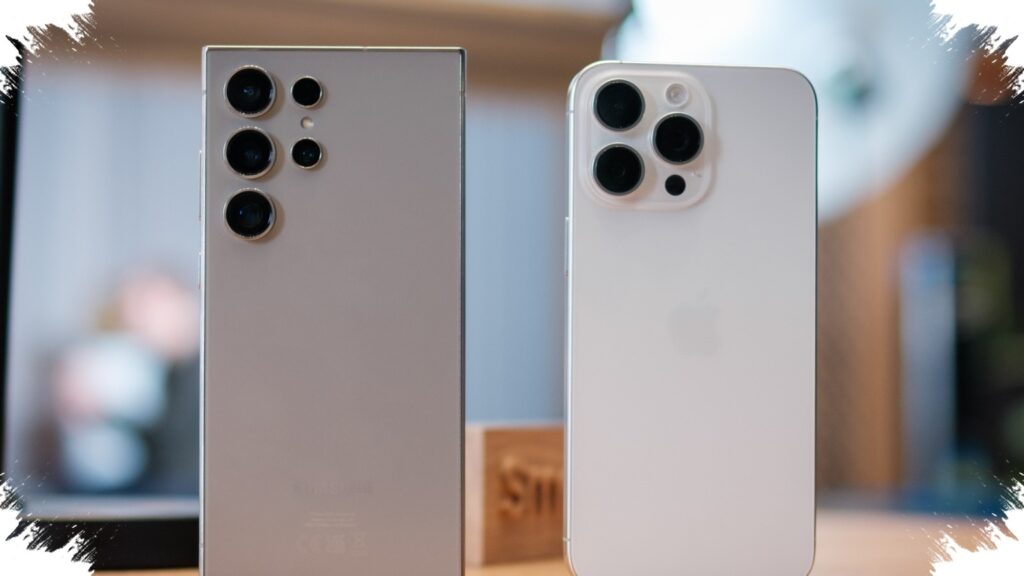
The global smartphone market opened the year under pressure, but the battle at the top stayed intense. Samsung kept the number one spot, while Apple stayed close behind as the industry struggled with weaker overall shipments.
IDC’s latest report shows how narrow the gap has become between the two leaders. Samsung shipped about 62.8 million smartphones and held 21.7% of the market, while Apple followed with 61.1 million units and 19.6% share. That leaves only around 1.7 million units separating the two companies.
Samsung stays ahead with a broad portfolio
Samsung’s lead was supported by stronger demand for the Galaxy S26 Ultra. Early shipments of the Galaxy A series also helped the company keep volume steady before the main Galaxy S26 lineup arrived later than usual.
That mix matters in a weak market. With demand spread across more than one product line, Samsung was able to hold supply across different segments, from midrange devices to premium models.
Apple benefits from premium demand
Apple also delivered solid growth, helped by the performance of the iPhone 17 series, especially in China. Its shipments rose 3.3% year over year, showing that premium devices still have room to grow even when the wider market softens.
The company’s strength remains tied to its ability to keep consumers interested in its high-end lineup. For many buyers, Apple continues to offer an ecosystem, consistent experience, and a premium image that still stands out when spending gets tighter.
Top five smartphone vendors
IDC’s ranking for the quarter places the leading vendors as follows:
- Samsung — 62.8 million units, 21.7% share
- Apple — 61.1 million units, 19.6% share
- Xiaomi — 33.8 million units, 11.7% share
- Oppo — 30.7 million units, 10.6% share
- Vivo — 21.2 million units, 7.3% share
Outside the top five, Honor, Lenovo or Motorola, and Huawei also posted positive growth. Honor stood out as one of the fastest-growing brands in the top 10, driven by an aggressive push into overseas markets.
The wider market remains under strain
Even with growth at the top, the global market itself still weakened. Total smartphone shipments fell 4.1% to 289.7 million units, down from 302 million units in the same period a year earlier.
IDC pointed to memory shortages and higher smartphone prices as the main reasons for the slowdown. Senior Research Director Nabila Popal said limited memory supply forced shipment cuts, while rising component costs pushed manufacturing expenses higher. In some emerging markets, she noted, prices rose as much as 40% to 50%, which hit price-sensitive demand especially hard.
That pressure has made many consumers in lower-priced segments more cautious about upgrading. It has also made it harder for vendors to rely on entry-level products for growth.
Other major brands also felt the impact
Xiaomi, Oppo, and Vivo all shipped fewer phones than they did a year earlier. Xiaomi fell 19.1%, Oppo dropped 9.9%, and Vivo declined 6.8%, although Vivo still benefited from China and stable performance in India.
IDC said the smartphone industry is now moving into a more expensive phase, shaped by higher component, energy, and logistics costs. As a result, many brands have raised average selling prices, while affordable phones are becoming harder to find.
Research Director Anthony Scarsella said rising memory prices have been the most damaging factor for the market. He also expects premiumization to continue, especially in developed markets where trade-in programs and financing help support demand, while emerging markets face a tougher environment.
Source: tekno.kompas.com