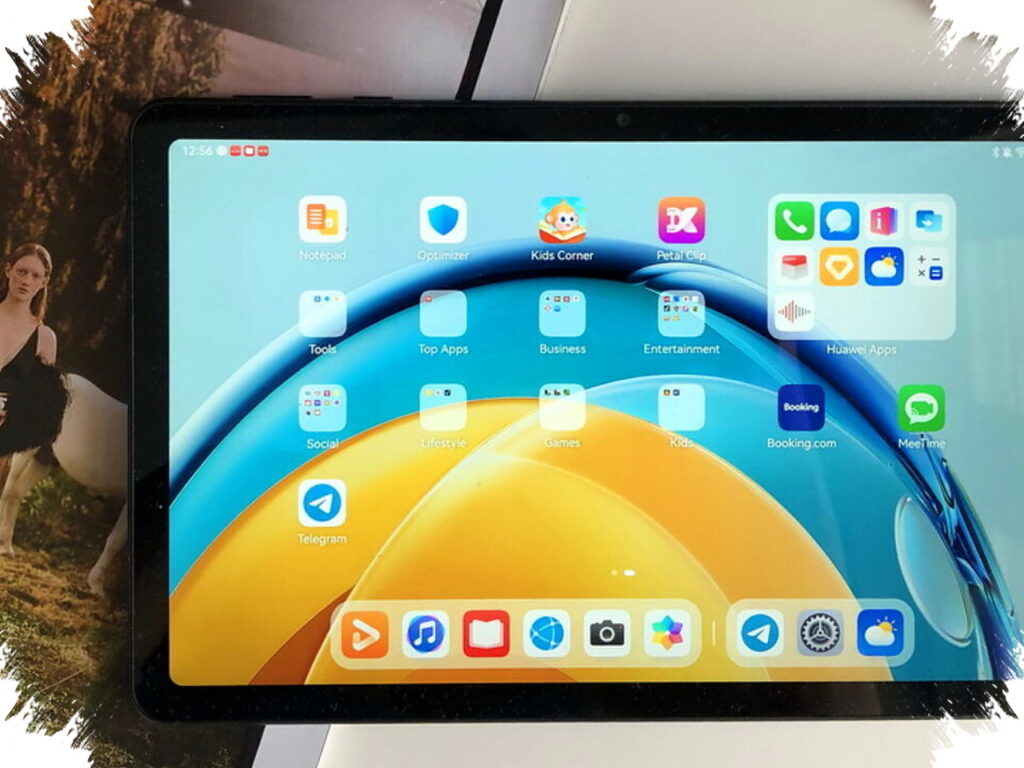
Gym operators are increasingly treating the front desk as a digital checkpoint rather than a manual counter. With a tablet connected to WiFi, member entry can be handled through QR-based or digital login flows that finish in seconds and reduce the need for dedicated staff at reception.
This shift matters most where arrivals cluster during busy hours. Paper logs and manual input often create queues, lose data, and leave attendance reports less reliable, while a self-service tablet keeps records organized and visible in real time.
Why the front door is becoming a digital zone
For small and medium gyms, the move away from paper is not only about convenience. It also addresses the operational gaps that appear when attendance is recorded by hand, especially when members arrive at the same time and staff must process each entry one by one.
A tablet setup helps reduce those bottlenecks because the device can store member data automatically. It also lowers the risk of human error, since check-in no longer depends entirely on manual entry from front-desk staff.
Huawei MatePad SE as a practical fit
One device that has drawn attention for this use case is the Huawei MatePad SE 11. It comes with an 11-inch display, 4GB/128GB memory configuration, and WiFi connectivity that is described as stable for cloud-based attendance systems.
The listed price sits around Rp2,5 jutaan. That level places it in a range that is appealing for gym operators looking to shift into digital attendance without buying a higher-priced dedicated terminal.
Beyond simple attendance, the tablet can also display member information and support lightweight operational apps at the same time. That makes the front-door unit more than a check-in screen, since it can function as a compact service hub for daily operations.
Where the model fits best
The use case is especially relevant for UMKM gyms, fitness studios, and boutique gyms in large cities. In those settings, a WiFi-connected tablet can be positioned at the entrance as a self-service check-in point that members can use without assistance.
Some businesses are even moving toward a reception-less workflow. In that setup, attendance, class booking, and payment are managed through digital tools so service remains fast without increasing the staff count.
Why tablets are favored over older systems
Compared with a desktop computer or a dedicated attendance machine, a tablet is often considered more efficient. The upfront cost is lower, the device is easier to place, and power consumption is lighter, which supports a more flexible setup at the entrance.
The reference notes that tablet prices in Indonesia have started from Rp1 jutaan in 2026. With sufficient RAM for lightweight operational apps, the device is no longer seen only as a consumer gadget, but also as a practical work tool for businesses.
That flexibility also helps in daily gym operations. A single unit can rotate between showing promotions, supporting class bookings, and helping front-area staff monitor services in a more practical way.
Other options in the same category
The Huawei MatePad SE is not the only tablet considered for gym attendance systems. Samsung Galaxy Tab A9 LTE offers an 8,7-inch display, 4GB/64GB memory, WiFi + LTE connectivity, and a price of about Rp1,9–2,1 jutaan.
Xiaomi Redmi Pad 2 carries an 11-inch 2.5K display, 4GB/128GB storage, and a 9000 mAh battery, with a price range of Rp2,3–2,6 jutaan. OPPO Pad SE is listed at around Rp3,5 jutaan with an 11-inch screen and 4GB/128GB memory, while Redmi Pad 2 Pro offers 8GB/256GB for more complex systems at around Rp4,3 jutaan.
Device summary from the reference
- Huawei MatePad SE 11 — 11-inch, 4GB/128GB, WiFi, Rp2,5 jutaan.
- Samsung Galaxy Tab A9 LTE — 8,7-inch, 4GB/64GB, WiFi + LTE, Rp1,9–2,1 jutaan.
- Xiaomi Redmi Pad 2 — 11-inch 2.5K, 4GB/128GB, 9000 mAh battery, Rp2,3–2,6 jutaan.
- OPPO Pad SE — 11-inch, 4GB/128GB, Rp3,5 jutaan.
- Redmi Pad 2 Pro — 8GB/256GB, higher-performance option for more complex systems, Rp4,3 jutaan.
With a check-in target of around three seconds, the Huawei MatePad SE stands out as one of the more relevant choices for gyms that want to move toward digital operations. Its role at the entrance is straightforward: make member access faster, cleaner, and less dependent on a front-desk admin.