Nothing Phone 4a Pro has emerged from durability testing with a surprisingly strong showing, but one small design detail stands out as its clearest weakness. JerryRigEverything’s bend test indicated that the $499 mid-range phone can withstand heavy physical stress, yet teardown findings pointed to a vulnerability around the microphone opening that could matter for water protection.
A rigid aluminum frame does the heavy lifting
The phone’s biggest strength comes from its CNC-milled unibody aluminum frame. Compared with the glass-heavy construction common in many modern devices, this approach gives the Phone 4a Pro a more solid feel and a sturdier structure.
That advantage showed up clearly during the bend test, where the device stayed stable and did not reveal any obvious structural failure. For a mid-range model, that level of resistance helps it stand out in a market where many phones prioritize appearance over toughness.
The tradeoff is practical rather than cosmetic. The phone does not support wireless charging, but the compromise brings a body that is better suited to everyday durability.
The microphone opening creates an unexpected concern
The most delicate part of the design is not the frame, but the microphone hole. In many phones, inserting a SIM ejector tool into the wrong opening does not immediately threaten a critical barrier, because the path usually does not lead straight to a sensitive component.
That is not the case here. According to JerryRigEverything’s teardown, the water-resistant mesh sits directly behind the microphone opening, which means a mistaken poke could reach the first protective layer more easily than on many other devices.
Nothing does include a second moisture barrier deeper inside the phone, so the design is not left unprotected. Even so, the first layer appears more exposed than usual, making caution especially important when handling the SIM tray area.
Display protection is solid, but not exceptional
On the front, the Nothing Phone 4a Pro uses a 6.8-inch AMOLED panel protected by Gorilla Glass 7i. In scratch testing, marks began to appear at Mohs level 6, with deeper scratches visible at level 7.
That result places the screen in line with what is commonly expected from modern smartphones. It is neither especially fragile nor class-leading, but it should be familiar territory for buyers who have seen similar outcomes on other current devices.
Its stronger selling point is the claimed 5,000-nit peak brightness, which gives the display a competitive edge on paper. For daily use, that means the panel should remain easy to read in a wide range of lighting conditions, though normal physical protection still matters.
Camera materials show a familiar compromise
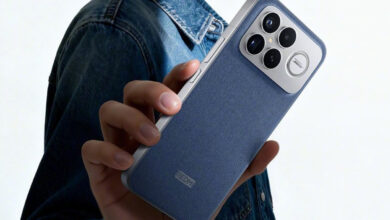
The camera module also reflects a mixed approach to durability. The main camera lens uses glass, while the clear surrounding area around the module is made of plastic.
That choice brings both benefits and drawbacks. Plastic is less likely to shatter in a drop, but it can scratch more easily than glass or aluminum, which means the camera area may age faster in visible use.
For a part of the phone that stays highly exposed, that matters. Over time, small marks on the camera surround may become more noticeable than damage elsewhere on the device.
Internal design supports the overall build
Inside the phone, Nothing also includes a large vapor chamber. The component helps manage heat and shows that the durability story is not limited to the outside shell alone.
The source material also notes a battery difference by region. The India version carries a 5,400mAh battery, while the US model has a 5,080mAh capacity.
Taken together, the Phone 4a Pro presents itself as one of the more convincing budget phones in terms of build quality. Its frame feels exceptionally solid, its bend resistance is impressive, and its display should deliver strong everyday usability, but the microphone opening and plastic camera surround remain the parts that deserve the most attention.
Source: www.androidcentral.com