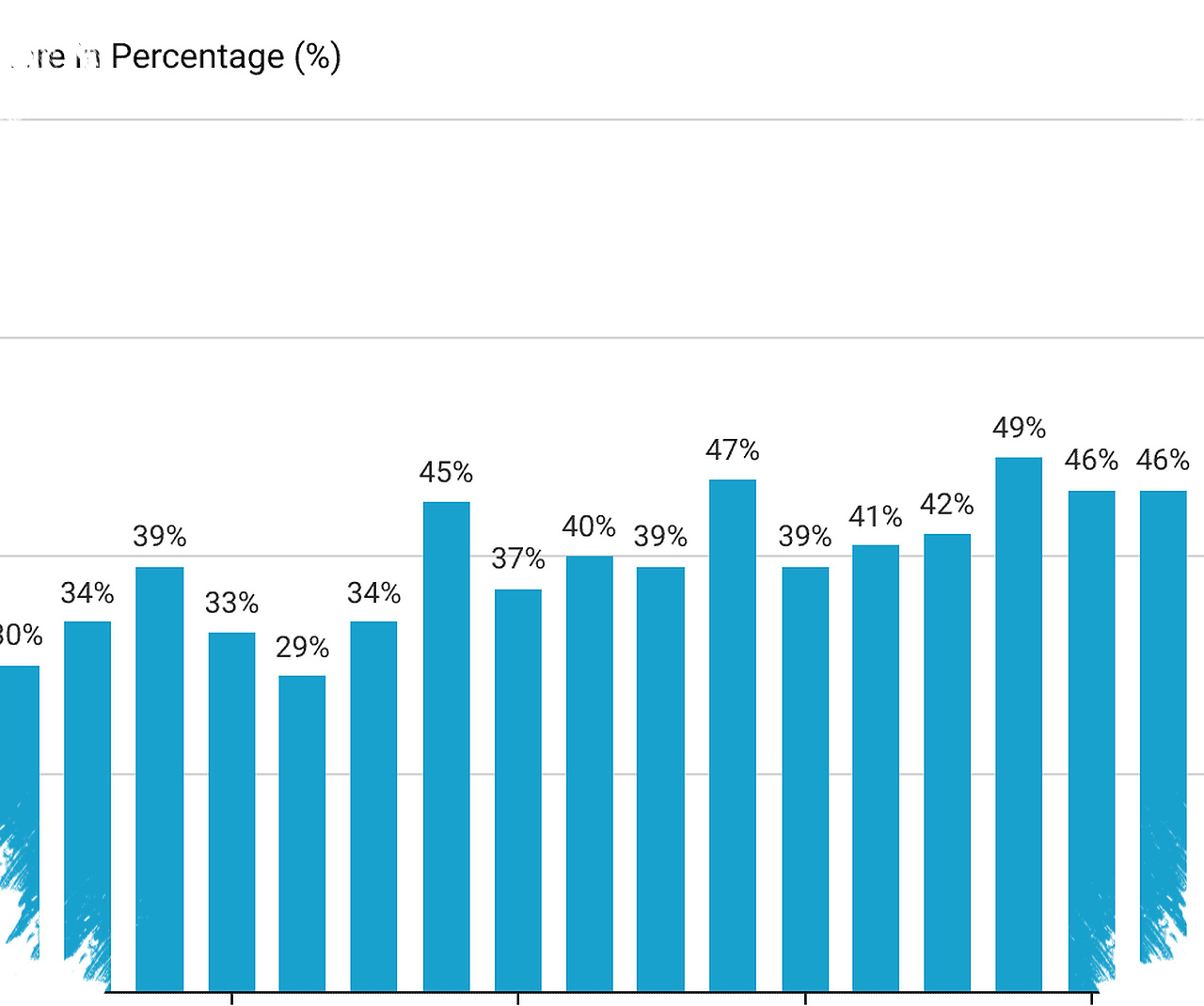
Apple’s grip on iPhone users remains unusually strong, and recent SellCell data shows why Android brands still face a steep climb. The survey places iPhone loyalty at 96.4 percent, up from 90.5 percent in 2019, a level that highlights how difficult it has become to pull users out of Apple’s ecosystem.
That strength is not just about one device. It reflects a broader pattern in which brand preference, connected services, and everyday habits keep users inside Apple’s platform, even when competitors offer attractive hardware.
A loyalty gap that still favors Apple
SellCell’s numbers also show that overall Android retention stands at 86.4 percent. The roughly 10-point gap with iPhone suggests that Apple users are far less likely to leave the platform than Android users are to move away from their ecosystem.
That difference matters because Android loyalty often works differently. Many Android users may switch between brands without leaving Android itself, so movement inside the category can appear larger than it is. iPhone users, by contrast, tend to stay with Apple as a whole.
The ecosystem remains the strongest barrier
More than 78 percent of iPhone loyalty is tied to brand preference and ecosystem attachment, according to the same survey. That helps explain why Apple’s advantage extends beyond product design or specifications.
Services such as iMessage and iCloud strengthen that attachment by linking devices and daily usage patterns. Once those connections are in place, switching feels more complicated because it involves more than replacing a phone.
Android rivals are improving, but the gap remains
Apple’s competitors have not stood still. Samsung’s loyalty level has climbed to 90.1 percent from 74 percent in 2021, while Google sits at 86.8 percent.
Those figures show clear improvement on the Android side, but they still do not close the distance to iPhone’s 96.4 percent retention. Samsung is the closest challenger, yet the premium segment still shows a meaningful gap. Google’s numbers also point to recovery, although its user base is still not as firmly locked in as Apple’s.
Switching pressure still leans toward iOS
SellCell found that about 26.8 percent of Android users who are considering a switch are looking toward iOS. On the other side, only 3.6 percent of iPhone users say they intend to leave Apple’s platform.
This one-way pattern suggests that, when smartphone users are ready to change, iPhone remains the destination most often chosen. In practice, that makes competition harder than simply launching a well-reviewed phone.
Price and innovation can help, but only to a point
Apple still has a vulnerable area, and price is the clearest one. More than half of the iPhone users who said they want to switch pointed to better price or value as the main reason.
Technology was the next major factor. That gives Android brands some room to compete, especially through foldable phones and more aggressive pricing strategies. Even so, those advantages have not yet been enough to trigger a broad shift away from iPhone.
The current picture is one of stable, layered loyalty around Apple. Android brands may be improving, but the combination of ecosystem lock-in, brand attachment, and strong retention means Apple still remains the hardest platform to dislodge.
Source: tech.sportskeeda.com-

-

-
-