


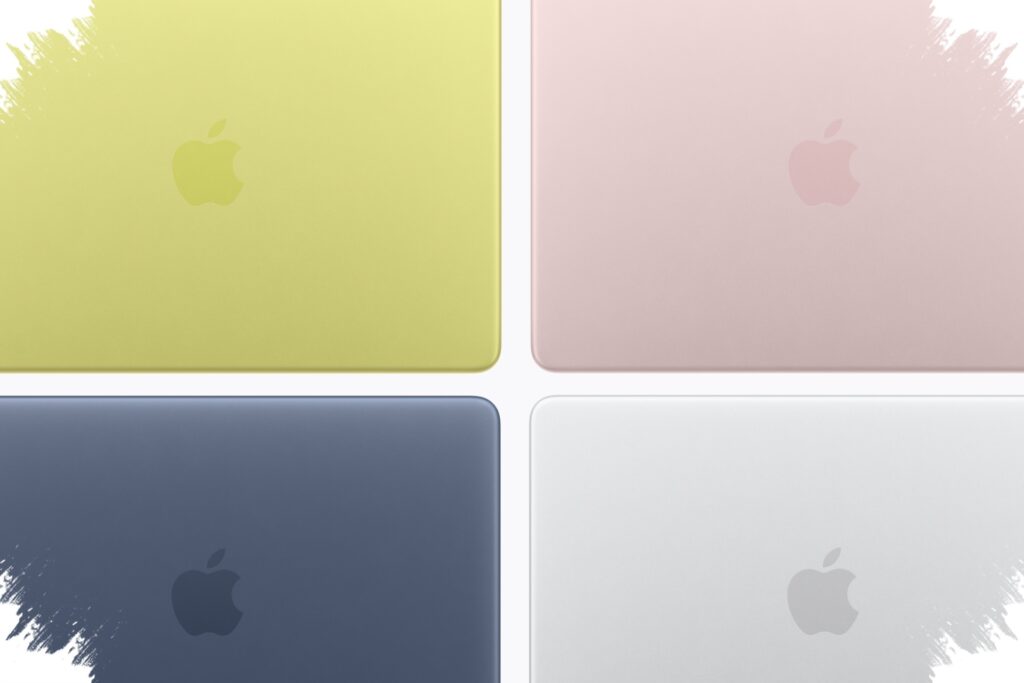
Apple’s latest environmental reporting puts MacBook Neo in the spotlight, not iPhone. According to the company’s Environmental Progress Report covering 2025, the laptop stands out as Apple’s most eco-friendly device because it contains 60% recycled materials overall, the highest figure among the products mentioned in the report.
That result comes as Apple continues to expand recycled content across its hardware line. The company said that, on average, 30% of the materials shipped across its devices now come from recycled sources, showing that sustainability has moved deeper into its product strategy rather than remaining a side initiative.
Recycled materials are now standard across key components
Apple said several important parts in its products already use fully recycled inputs. All Apple-designed batteries use 100% recycled cobalt, while all magnets use 100% recycled rare earth elements.
The company also said all Apple-designed circuit boards use 100% recycled gold plating and recycled tin solder. These details indicate that Apple’s environmental push is not limited to visible outer materials, but also extends into internal components that are rarely highlighted by consumers.
Why MacBook Neo stands apart
MacBook Neo is not only notable for its high recycled-material share. The laptop is also said to benefit from a more efficient production method.
According to the report cited by MacRumors, MacBook Neo uses a new aluminum-forming process that requires half as much raw material as traditional methods. That approach suggests Apple is trying to reduce environmental impact at the production stage, not just by substituting recycled materials into finished products.
The combination of higher recycled content and lower raw-material use makes MacBook Neo more distinctive than other Apple devices in the same report. It also shows how the company frames sustainability as both a materials issue and a manufacturing issue.
Packaging has been redesigned, too
Apple said it has removed plastic from all product packaging. New devices now come in fiber-based packaging that can be recycled at home, which reduces reliance on single-use materials.
That packaging change adds another layer to Apple’s environmental strategy. Instead of focusing only on the device itself, the company is also changing what surrounds the product when it reaches consumers.
Water use and production efficiency remain part of the plan
Apple and its suppliers also developed an anodizing process that raises water recycling rates to 70%. The process helps turn a typically water-intensive stage of manufacturing into a more efficient one.
During 2025, Apple and its suppliers saved 17 billion gallons of fresh water. They also replaced more than half of the water used to support their global facilities, which forms a significant part of the company’s environmental targets.
Apple said eight of its data centers are already certified under the Alliance for Water Stewardship standard. The company is also working toward replacing all water withdrawn by its facilities by 2030, keeping water management central to its wider sustainability roadmap.
Clean energy expands across the supply chain
Energy remains another major part of Apple’s environmental push. Under the Supplier Clean Energy Program, Apple’s direct suppliers secured more than 20 gigawatts of renewable energy in 2025.
That program generated more than 38 million megawatt-hours of electricity, enough to supply the annual needs of more than 3.4 million U.S. homes. Apple also added 1.8 gigawatts of electricity to support offices, retail stores, and data centers that run on renewable energy.
Taken together, the figures show that MacBook Neo is only one part of a much broader effort. Apple’s report places recycled materials, packaging, water use, energy, and supply-chain changes within the same environmental framework, with MacBook Neo emerging as the clearest example of that strategy in product form.
Source: inet.detik.com