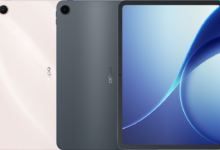
Retail stores are increasingly turning to tablets to present product information in a faster and more flexible way. In that shift, Xiaomi Pad 6 stands out as a relevant option because it combines a large display, stable performance, and a lighter implementation cost than conventional display solutions.
The change is driven by a simple retail need: static posters and printed promotional materials are no longer enough. Stores now look for devices that can show digital catalogs, real-time promotions, and product details without adding more operational burden.
Why tablets are replacing printed promotional materials
In physical retail environments, tablets are being used more often as information screens near products and service counters. Their role goes beyond showing visuals, because they also help customers browse catalogs, check promotions, and understand product specifications directly in the store.
This approach also matters because content updates can happen faster. When display materials are hard to change, the store experience can feel less responsive, and retail can miss upselling opportunities of around 20–30 percent if product explanations are not delivered effectively.
The display and performance package behind Xiaomi Pad 6
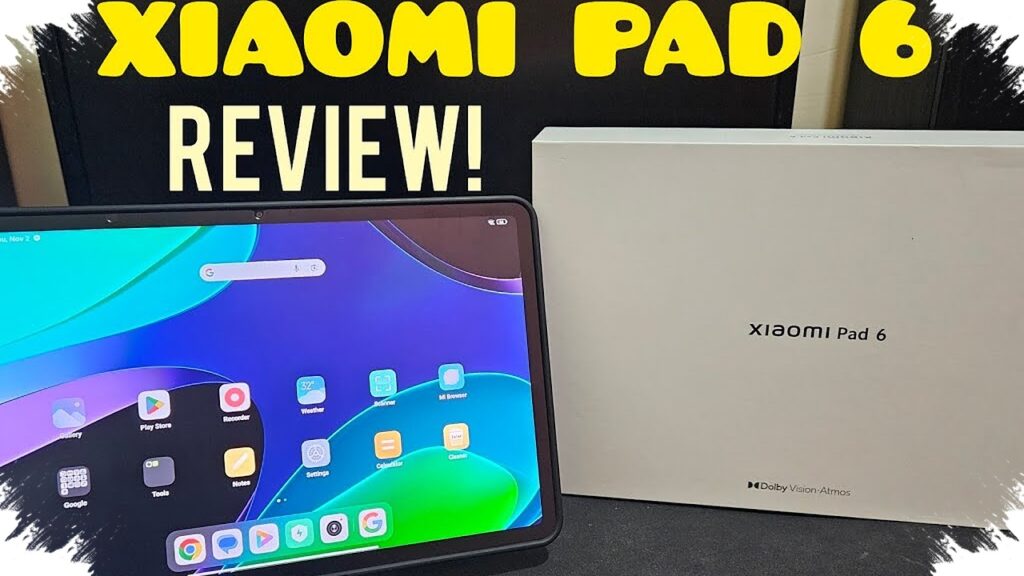
Xiaomi Pad 6 has drawn attention for retail use because it offers a combination that supports visual merchandising. The device uses an 11-inch display with 2.8K resolution and a 144Hz refresh rate, which helps product presentations look sharp and smooth in a physical store setting.
Inside, the tablet runs on Snapdragon 870 with 8GB of RAM and 256GB of storage. That setup gives enough room for digital catalogs, promotional content, and light operational tasks at the point of sale.
Battery capacity is another important part of its appeal. The 8,840 mAh battery helps the device stay active for longer periods without frequent recharging, which is especially useful when it is used as an information display during store operating hours.
Lower-cost implementation compared with conventional signage
One of the strongest reasons tablets are gaining traction in retail is efficiency. Compared with conventional signage TVs, tablet use in retail is said to reduce initial investment by as much as Rp800 ribu–Rp1,5 juta.
The device also removes the recurring cost and time needed to print promotional materials again and again. Content can be updated in real time from the back office, allowing stores to adjust promotions, catalogs, or stock information more quickly.
Many stores already have WiFi available, which makes WiFi-only tablets a practical choice. This type of setup avoids additional data costs while still supporting digital signage, interactive catalogs, and self-service product browsing.
Use cases across different retail formats
The tablet approach is not limited to large stores. It is also considered suitable for UMKM retail, franchise F&B outlets, gadget showrooms, furniture showrooms, and light automotive businesses that want to improve customer experience without adding much staff.
In practice, the device can be connected with QRIS, digital catalogs, and light inventory systems. That makes it function like a silent salesperson that helps support conversion without requiring additional manpower.
Other options for different business scales
Xiaomi Pad 6 is positioned as an attractive choice for stores that need stronger visual support, but the market also offers alternatives depending on budget and usage needs. Samsung Galaxy Tab A9+ WiFi is priced in the Rp2.7–Rp3.3 million range, while Redmi Pad 2 is offered at around Rp2.3 million for lighter operational needs.
For more premium requirements, Samsung Galaxy Tab S10 FE WiFi provides high performance for signage and multitasking, with a price of around Rp6 million. These differences show that retail can choose devices based on store size, usage intensity, and display requirements.
As retail experiences continue to place more emphasis on customer engagement, modern tablets are becoming increasingly important tools. Xiaomi Pad 6 holds a practical position in that shift because it offers premium visual quality, flexible content management, and a still-controlled investment for stores moving away from expensive printed displays.