Apple’s next leadership shift is drawing attention not only because of who may take over, but also because of the product history tied to that person. John Ternus, long seen as one of Apple’s key technical leaders, is now being discussed as the likely successor to Tim Cook.
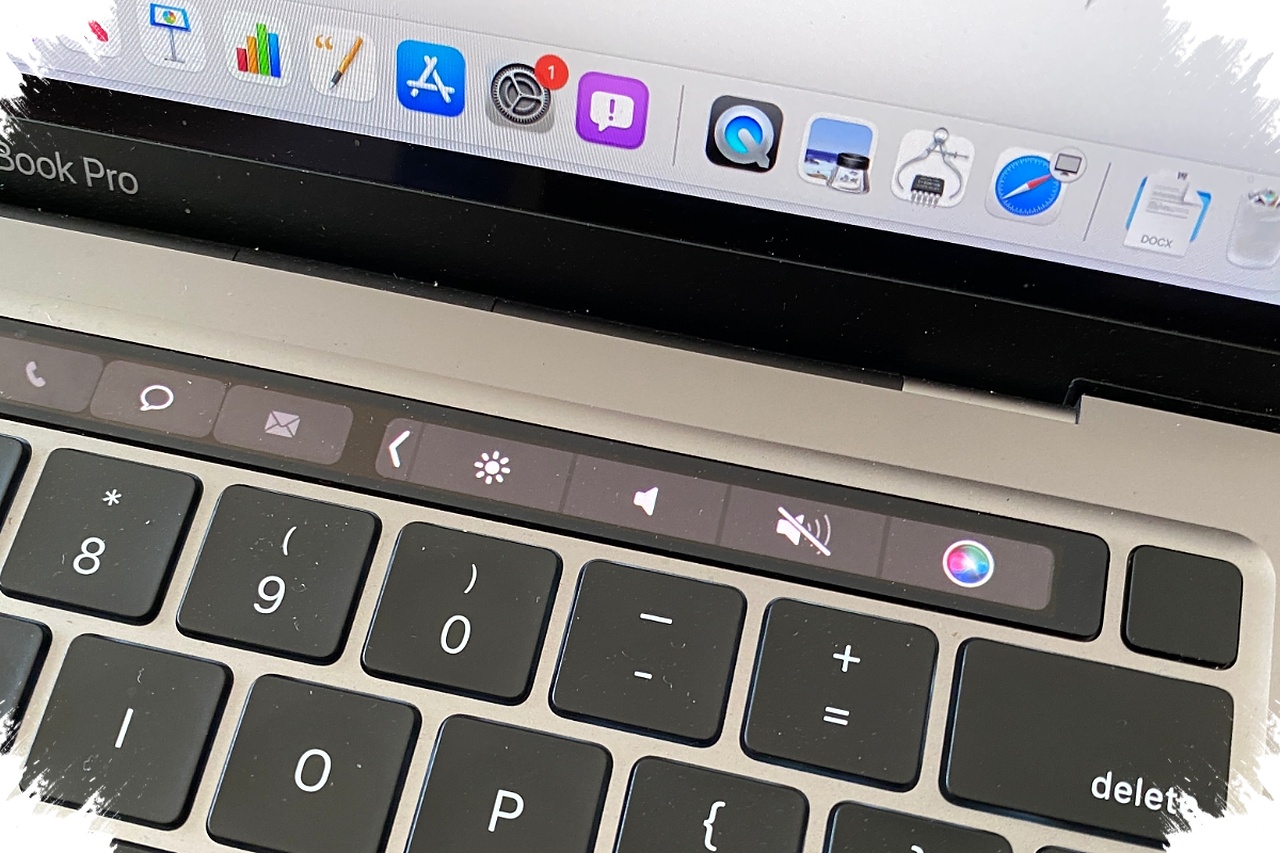
What makes his name especially notable is that his record includes both major hardware wins and two of Apple’s most criticized experiments. Ternus was involved in the development of the Touch Bar on the MacBook Pro and the butterfly keyboard, two ideas that later became widely associated with user complaints.
A technical leader with a long Apple runway


Ternus has been part of Apple for a long time and is described internally as a figure who has helped shape important product decisions. His career at the company began in 2001 in product design, after earlier work as a mechanical engineer.
His path inside Apple was gradual but steady. He became Vice President of Hardware Engineering in 2013, then moved up again in 2021 after replacing Dan Riccio and joining Apple’s top executive ranks.
That background separates him from Tim Cook in a clear way. Cook has been best known for management and supply chain strength, while Ternus is more closely associated with product detail, hardware direction, and engineering decisions.
A familiar presence on Apple’s biggest stages
Ternus has not stayed behind the scenes. He has increasingly appeared at major Apple events, where he has helped introduce some of the company’s most important product transitions.
Among those appearances were the shift to Apple Silicon, the launch of the Mac M4 lineup, and the iPhone Air introduction in September last year. Those moments made his role more visible to the public and reinforced his position as a representative of Apple’s technical direction.
His leadership style has also been described as grounded and close to the team. A former manager, Steve Siefert, once portrayed him as a leader who stayed with his people when he was first promoted into management.
Big launches, but also lingering criticism
The hardware team under Ternus has overseen several major milestones. He is said to have had responsibility for the first AirPods in 2016, Apple’s move from iPhone Lightning to USB-C, the redesign of the thin iPad Pro, and the launch of Vision Pro.
Still, those successes sit beside products that did not land well with many users. The Touch Bar was introduced as a fresh interface idea for the MacBook Pro, but it failed to win broad support. The butterfly keyboard faced repeated reliability complaints and eventually became one of Apple’s most criticized design decisions.
Those two products now matter in a different context because they are part of Ternus’s history. Even if he was not the only decision-maker, his involvement means that Apple’s past hardware missteps are now linked to the public conversation around its next chief executive.
His influence inside Apple keeps expanding
Ternus’s role has grown further in recent months. After former COO Jeff Williams retired at the end of last year, he was named executive sponsor for the design team.
His responsibilities also expanded when Apple handed him oversight of the robotics team and the Apple Watch hardware division. In another sign of broader influence, he is also said to have supported environmentally friendlier material choices, including 3D-printed titanium in the Apple Watch Ultra 3.
That wider scope shows he is already operating near the center of Apple’s product strategy. The company is now juggling major expectations, from a rumored foldable iPhone and a redesigned AI-based Siri to an OLED touch-screen MacBook Pro and new smart glasses in development.
As that transition looms, Ternus stands in a complicated position. He represents Apple’s technical future, but he also carries the memory of Touch Bar and butterfly keyboard, two hardware stories that continue to shadow the next chapter of the company’s leadership.
Source: inet.detik.com