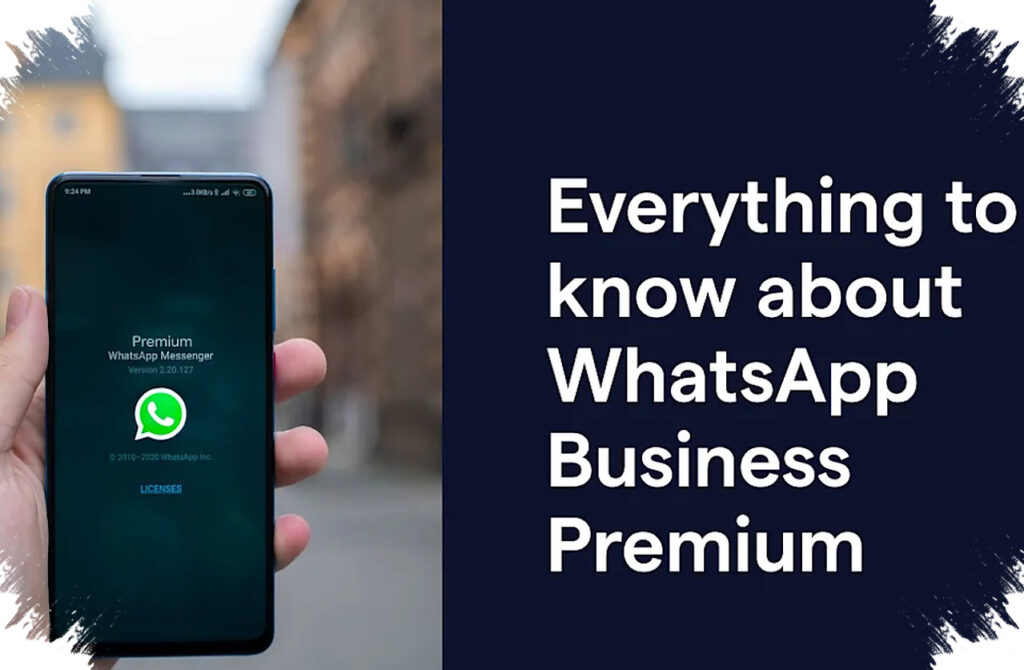
WhatsApp is moving beyond a simple messaging app and opening a clearer path for business monetization through WhatsApp Premium. For regular users, the core service remains free, while the new premium layer is aimed at businesses that need more advanced tools.
This shift shows how Meta is trying to turn WhatsApp into a more valuable business platform without changing the basic experience for everyday communication. Free messaging, photo sharing, and standard calls remain available to personal users, so the main impact is concentrated on business accounts.
A clearer business focus
The direction is not framed as a replacement for the free app, but as an added tier for professional use. Meta appears to be treating WhatsApp Business more like a subscription-based service, where extra features are reserved for accounts that need more structured customer communication.
That approach also reflects a broader monetization strategy inside Meta’s ecosystem. Instead of charging everyone, the company is placing value-added features behind a premium model and keeping the core platform accessible to the large base of general users.
What premium accounts can get
Among the most notable features is a custom business URL, which gives companies a more memorable link such as wa.me/nama-toko-anda. That can make it easier for customers to find and remember a business account.
WhatsApp Premium also offers advanced multi-device support, allowing a single account to connect to as many as 10 devices at the same time. For customer service teams, this makes it easier to respond to messages without relying on one phone or one operator.
A blue check verification mark is another element of the package. This feature is meant to help businesses appear more credible to potential buyers and can support trust at the first point of contact.
The source article also points to message analytics as an important advantage. With that tool, business owners can review broadcast message performance and gain deeper insight into user interaction.
Why businesses may care
For businesses that rely on fast replies and organized communication, these features can add real operational value. The premium layer can help create a more professional customer service process and make promotional communication feel more structured.
At the same time, the model raises a practical question for smaller companies. Micro and growing businesses that have long used the basic features for free now need to consider whether the added tools are worth the subscription cost.
That calculation matters because the premium features are not designed for casual use. They are positioned for businesses that need something closer to a simplified CRM-style communication system rather than a basic chat app.
What remains free for personal users
Meta has made it clear that the core WhatsApp experience for personal use will stay free. Users do not need to subscribe just to keep sending messages, sharing photos, or making regular calls.
This creates a sharper distinction between personal and business use. The free version continues to support daily communication, while the paid tier is built around operational needs and broader customer management.
As a result, WhatsApp is taking shape as a two-level service. One layer stays free for everyday conversations, and the other serves businesses that want more advanced functions and a more professional presence.
For business accounts, the key question is no longer whether WhatsApp Premium exists, but whether the added features match their workload and customer service needs. For ordinary users, the app’s basic role remains unchanged, with no pressure to move into a paid model.