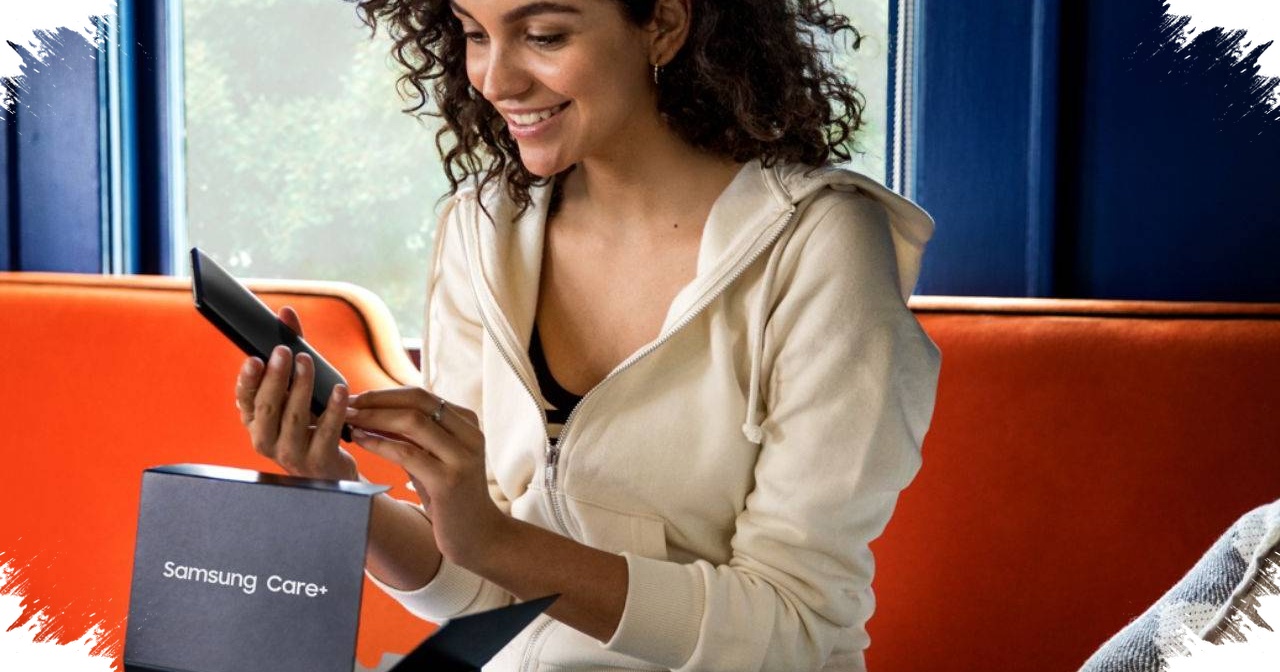
Samsung Care+ can be a useful add-on, but Consumer Reports says it is not the right choice for every user. The deciding factor is not the brand name itself, but how a device is actually used and how much risk its owner is willing to carry.
One reason for that caution is simple: a protection plan only has value if the device is likely to need it. For people who are careful with their phones and rarely face damage, setting money aside for repairs may make more sense than paying for coverage that may never be used.
What Samsung Care+ adds
Samsung Care+ goes beyond the standard manufacturer warranty, which typically lasts 12 months from purchase. The service is designed to cover problems that ordinary warranty protection usually does not, including drops, liquid spills, theft, and loss.
It also extends manufacturer coverage up to two years and includes 24/7 technical support. For some users, that extra support can be as important as the repair coverage itself, especially when a device is needed every day.
Samsung also offers an option for theft and loss protection. With that coverage, a replacement device can be obtained at a much lower cost than buying a brand-new unit.
Why the decision depends on usage
Consumer Reports sees Samsung Care+ as a tradeoff between risk and cost. The organization does not dismiss the plan outright, but it says the value depends heavily on how likely a person is to damage a device or need technical help.
That makes the plan more appealing for users who expose their devices to frequent accidents. It is less compelling for people who already use cases, handle their devices carefully, and rarely run into repair issues.
The same logic applies to support needs. Users who often need help troubleshooting may benefit more from a plan that bundles technical assistance, while those who do not may be paying for features they will barely use.
When the numbers start to matter
Consumer Reports points to a clear example with a premium phone such as the Galaxy S26 Ultra. If someone often drops the device, the cost of repairs can add up quickly, making extra coverage easier to justify.
Even on the base Galaxy S26, the difference can be substantial. A screen replacement without coverage is said to cost $174, while the Samsung Care+ price is only $29. If two years of coverage are paid upfront for $99, a single repair would already save $46.
The savings become even more noticeable if the device needs more than one repair. In that case, the plan can shift from being an added expense to becoming a genuine cost-cutting measure.
The same logic applies to theft and loss
The theft-and-loss option is another part of the plan that may look attractive on paper. Consumer Reports notes that with this coverage, a user would pay $99 for a replacement device instead of about $900 for a new one.
Still, the organization warns that the benefit only matters when the risk is real. A feature like this makes sense if theft or loss is a genuine concern, not simply because it sounds convenient.
Many buyers pay without ever using protection
Consumer Reports also highlights an important pattern from a 2022 survey. Only 20 percent of extended warranty plans were actually used, which means many people paid premiums without ever receiving a direct benefit.
That finding is one reason the organization advises consumers to think carefully before buying. For some, creating a repair fund may be more practical than committing to a service that may sit unused for years.
Who is most likely to benefit
Samsung Care+ is more relevant for people who are prone to accidents, use their phones without a case, or expect a higher chance of damage. It can also make sense for users who place real value on fast technical support.
For careful users, the plan may not deliver the same level of value. In those cases, saving money for future repairs can be the simpler and more efficient choice.
That is why Consumer Reports treats Samsung Care+ as a situational purchase rather than a universal recommendation. The plan can be worthwhile for higher-risk users, but for careful owners, holding onto the money may be the smarter move.
-
-
-
-