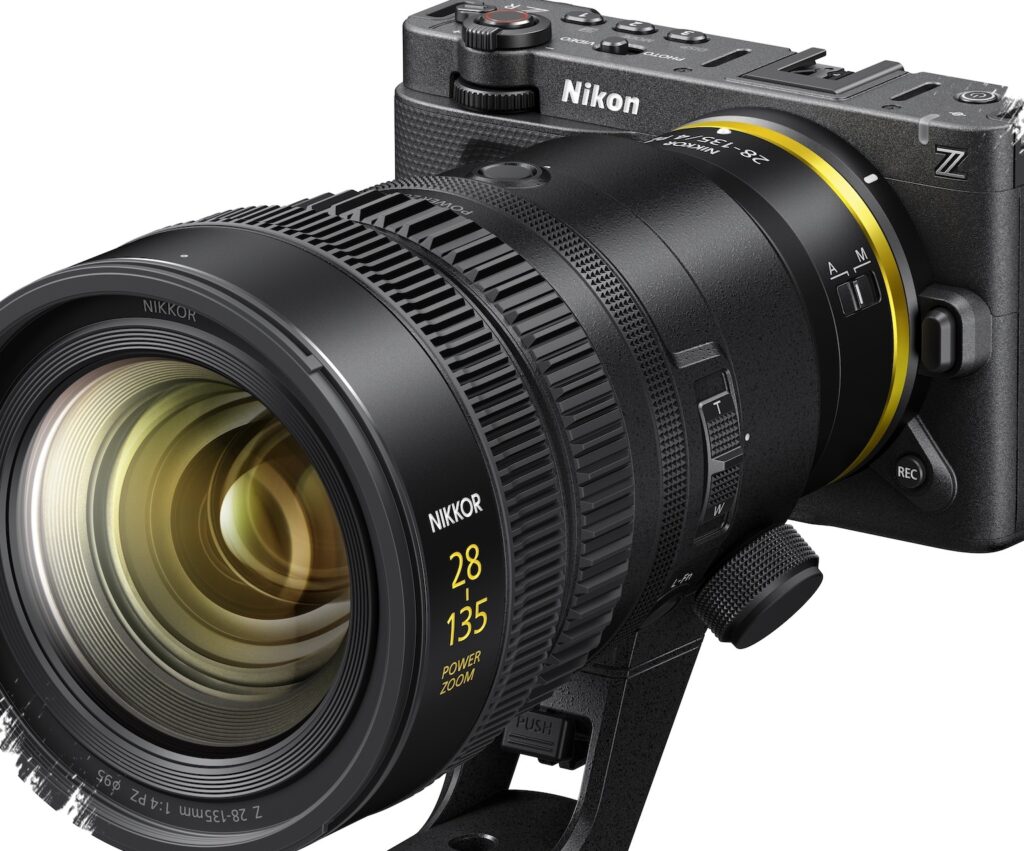
Nikon ZR is drawing attention because it signals a more assertive move from Nikon into professional video production. The camera is not being framed as a simple hybrid body for stills and clips, but as a more focused tool for filmmakers who need stronger technical support on set.
That positioning matters because the two headline features, 6K RAW recording and 32-bit float audio, are usually associated with higher-end cinema gear. For creators working in demanding production environments, that combination immediately places the ZR in a more serious category than many mirrorless cameras that still try to balance photography and video equally.
A clearer shift toward video-first use
The Nikon ZR is built for users who put video ahead of photography. That approach separates it from many other mirrorless models, which still treat stills as an equal priority and often compromise video specialization in the process.
By leaning more decisively into videography, Nikon appears to be broadening its identity beyond still photography. The camera reflects a market trend in which creators expect more advanced video tools, not just a body that can handle occasional recording duties.
Why 6K RAW matters for production work
One of the main reasons the ZR stands out is its 6K RAW recording support. RAW capture is often valued because it gives editors more room to work during post-production, especially when color, detail, and visual adjustments need to be handled with precision.
For filmmakers, that extra flexibility can make a practical difference when the final image needs careful refinement. The presence of 6K RAW suggests that Nikon is aiming beyond basic specifications and toward a workflow that fits film production needs more closely.
Audio handling becomes part of the pitch
The audio side of the ZR is just as important as its video features. With 32-bit float recording, the camera adds protection against audio levels that are too low or too high, a problem that can create unnecessary risk during fast-paced shoots.
That kind of sound capture can simplify field production because level adjustment does not depend entirely on getting everything perfect at the moment of recording. For crews working under pressure, it offers a more forgiving setup and reduces the chance of technical mistakes in audio capture.
What the combination means for creators
Taken together, 6K RAW and 32-bit float audio give the Nikon ZR a profile that is closely aligned with professional creative needs. The camera is positioned to support both image quality and a smoother production workflow, which is often what matters most in film-oriented work.
This also helps explain why the model is getting attention in a crowded camera market. Devices are no longer judged only by how well they take photos, but by how effectively they support high-quality video production as standards continue to rise.
Nikon’s message to the market
The arrival of the ZR also shows how Nikon is approaching competition in the video segment. The camera suggests a deliberate attempt to speak to filmmakers rather than to general users looking for a catch-all device.
That focus gives the ZR a more defined identity. With 6K RAW and 32-bit float audio as its main talking points, Nikon is presenting a camera that aims to meet the demands of professional video work while avoiding the feel of a compromise product.