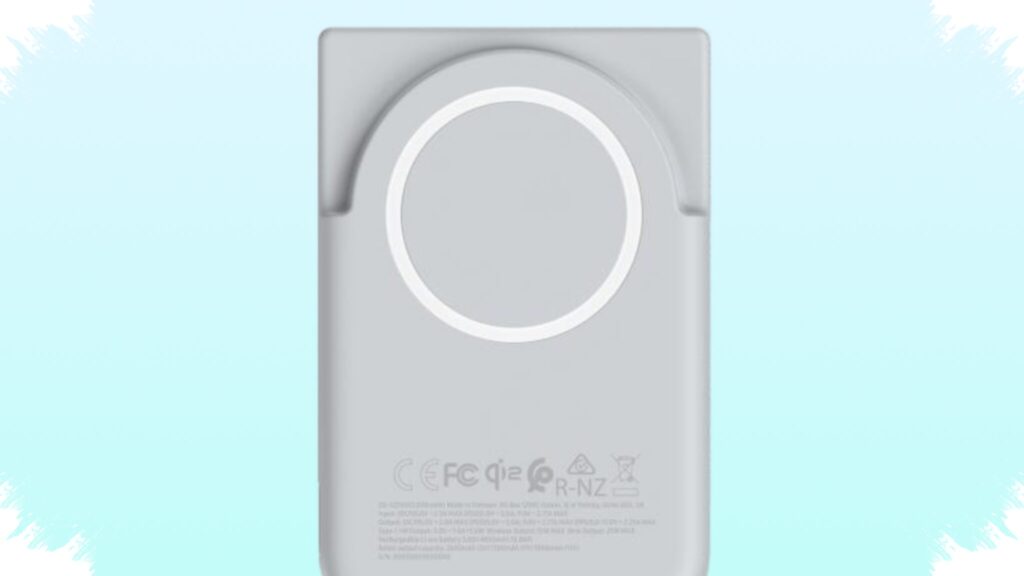
Samsung’s next Galaxy S flagship may be headed for a hardware adjustment that goes beyond appearance. Reports from South Korea suggest the Galaxy S27 could adopt a new rear camera arrangement, and the reason may be tied to internal space needed for Qi2.2 magnets.
That possibility has drawn attention because Samsung already supports Qi2.2 on the Galaxy S26 series, yet users still need a special case to make magnetic accessories attach properly. If the new reports prove accurate, the Galaxy S27 could be positioned as a model that supports magnet-based accessories more directly, without relying on an extra case.
A camera redesign could serve a practical purpose
For several generations, Samsung has kept a familiar rear camera pattern across its Galaxy S lineup. The module has usually sat in the upper-left corner and followed a vertical layout, even though the number of sensors has varied from model to model.
According to the latest report cited by Naver, that pattern may change on the Galaxy S27. The source, which is described as coming from Samsung’s supply chain, does not spell out the exact new arrangement.
That leaves several possibilities open. The rear camera module could remain in the upper-left area, move toward the center of the top section, or take a different approach that Samsung has not used before in the Galaxy S series.
The magnet theory is gaining the most attention
The most discussed explanation is not cosmetic. SamMobile points to the idea that Samsung may be preparing built-in magnets, similar in function to MagSafe, so compatible accessories can attach directly to the device.
If that happens, the phone would be easier to use with magnetic chargers, stands, and wallet-style accessories. It could also improve the everyday experience of wireless charging by making accessory placement more precise.
At present, the Galaxy S26 series already supports Qi2.2, but the magnetic connection still depends on a dedicated case. An internal magnet system would remove that extra layer and make the setup feel more seamless.
Why the camera layout matters
Adding magnets inside a phone is not just a matter of inserting another component. Samsung still has to preserve room around the wireless charging coil and make sure the feature does not interfere with other internal parts.
That is where the camera module becomes relevant. A large rear camera bump can reduce the available space in the same area, so shifting the camera position is seen as one plausible way to make the internal layout work.
The report does not provide a final design, and that uncertainty remains important. Even so, the connection between a new camera layout and extra room for internal magnets is the main technical logic now being discussed.
Cost pressure could delay the feature
Despite the appeal of a built-in magnetic system, the Galaxy S27 is not guaranteed to get it. The same reporting also mentions newer cost concerns that could push the upgrade back.
In that scenario, Samsung may decide to hold the internal magnet feature for a later generation instead of adding it immediately. The report suggests the Qi2.2 magnetic integration could arrive on the Galaxy S28 series instead.
Broader industry pressures also appear to be part of the picture. A chip shortage has reportedly driven up the price of RAM and storage, making every additional component more difficult to justify from a manufacturing standpoint.
Samsung’s design choice may reflect a wider strategy
Those pressures leave Samsung with a familiar balancing act. The company has to weigh design changes, production costs, and user experience while keeping the Galaxy S line competitive.
The report also notes that Apple is said to be absorbing some of the rising cost pressure for the iPhone 18 lineup. It is still unclear whether Samsung would take a similar route for its own next flagship family.
For now, the Galaxy S27 camera rumor should not be read as a simple styling update. If the reports are correct, the change could be part of a larger effort to make Qi2.2 work with internal magnets and allow accessories to attach without a special case.