Microsoft appears to be rethinking its Windows roadmap, and the center of that shift is a project called Windows K2. Rather than pushing more features onto Windows 11, the company is said to be prioritizing the parts users notice most: speed, stability, and reliability.
That change in direction matters because it suggests Microsoft is responding to growing frustration over problematic updates and an aggressive push toward AI-related features. Windows K2 now looks less like a routine refresh and more like a broader attempt to reset confidence in Windows.
A shift in priorities
For some time, Windows has faced criticism from users who want a smoother core experience instead of more layered complexity. Microsoft’s reported response is to slow down that pattern and put the basics back at the center of development.
The move also signals a retreat from an earlier ambition to turn Windows into an agentic OS. Instead of leaning harder into that direction, Microsoft is said to be refocusing on the day-to-day experience that affects how people actually use the system.
Visible changes are already starting to surface
Several recent adjustments fit that new direction. Microsoft has brought back the freedom to move the taskbar, tested an Xbox Mode, and added an option to delay updates indefinitely.
The company is also said to be tightening quality standards before software updates reach the public. At the same time, Microsoft plans to revive face-to-face meetings with the Windows Insiders community and encourage Windows developers to be more active on social media.
Performance moves into the foreground
Windows K2 is not only about back-end improvements. It also appears to target the interface itself, starting with faster file-name search in File Explorer.
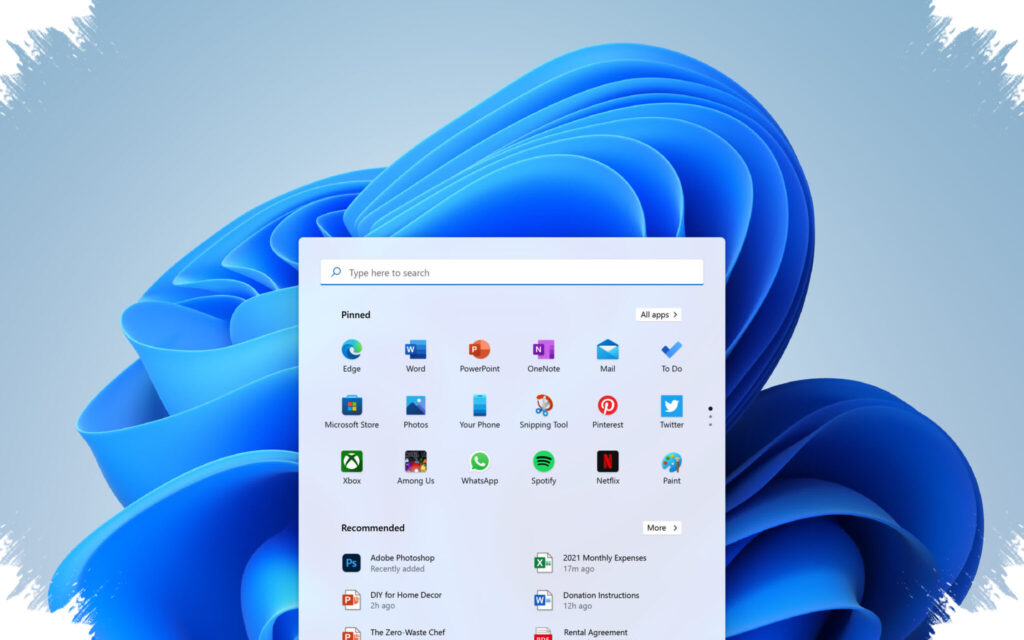
Microsoft is reportedly using the third-party File Pilot app as a performance benchmark for that effort. Start Menu redesign work is also part of the plan through WinUI 3, with Microsoft aiming for up to 60 percent better performance in that area.
Another practical change concerns driver updates for the display. Those updates are expected to be installed only when the computer restarts, so they do not interrupt ongoing work.
Gaming and lightweight devices are part of the pressure
Gaming on PC is another major concern. Microsoft wants to reduce background overhead and make Windows feel closer to a console experience.
Internal goals reportedly place Windows gaming performance on par with SteamOS within two years. That target reflects the growing pressure from Linux-based gaming-focused distributions such as SteamOS, CachyOS, and Bazzite, where many Windows games now run more smoothly.
Microsoft also wants Windows K2 to be lighter on lower-end hardware, especially laptops with 8GB of RAM. That focus is part of a defensive response to competition from Apple.
A low-cost Apple laptop called the MacBook Neo, priced at USD 600 or around Rp 10.3 million, is seen as a potential threat if Windows does not improve on affordable devices. In that context, Windows K2 looks like Microsoft’s attempt to keep Windows competitive where users feel performance problems most directly.
The broader message is clear: Microsoft is putting stability, efficiency, and responsiveness ahead of feature expansion. In a market where macOS and Linux continue to attract users looking for lighter and more reliable systems, Windows K2 may become one of Microsoft’s most important corrections to Windows 11.