Samsung appears to be preparing one of the most noticeable visual changes in One UI 9, and it centers on the media player. The update is not about adding a dramatic new function, but about making the interface respond more naturally to what is playing on screen.
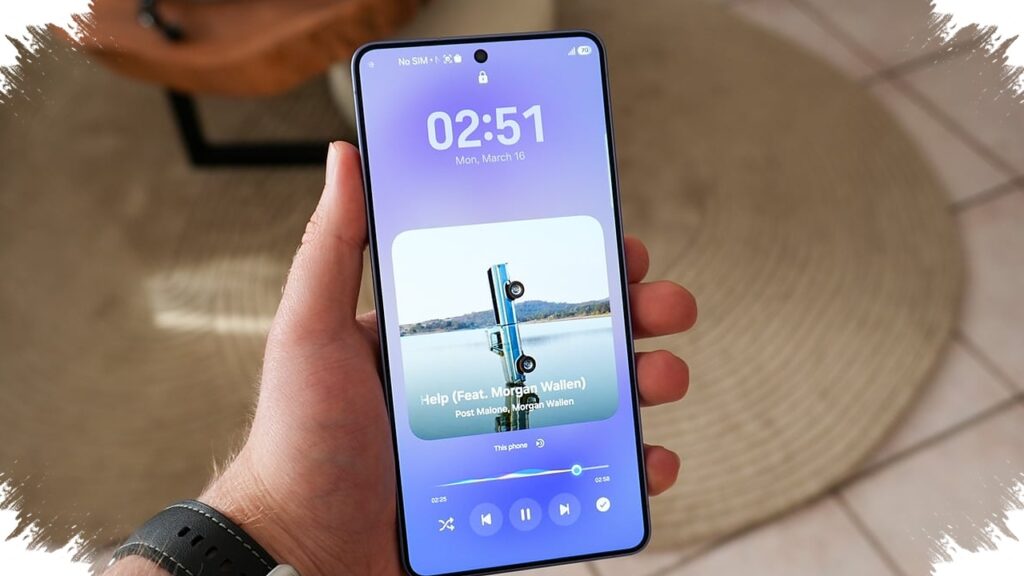
The most visible shift is said to come from album art-driven color changes. Instead of staying fixed, the playback bar and related UI elements are expected to adapt to the dominant tones of the current track’s artwork, creating a more fluid look while music is playing.
The early details were shared by leakers Tarun Vats and Rajesh Rajput. Based on the materials circulating, the media seek bar may shift color dynamically according to the mood and palette of the album artwork, giving each song a slightly different visual identity.
That approach makes the player feel more active during track changes. When a new song starts, the interface would not only update the audio state but also adjust its appearance in real time to match the content being played.
Rajesh Rajput highlighted that the effect is simple, yet visually strong. The change does not alter how the music app works at its core, but it gives the interface a more modern and polished feel.
A similar design direction also appears to extend to the Now Bar. Screenshots suggest that the color treatment there blends more closely with the overall interface, helping content and system UI feel more connected.
That kind of treatment fits a broader trend in modern interfaces. Samsung seems to be leaning toward an experience that reacts to content without introducing extra complexity for everyday use.
The goal appears to be subtle refinement rather than a major functional overhaul. Music playback and on-screen controls are made to feel more aligned, which can make the entire experience seem more personal and cohesive.
For many users, the media player is one of the most frequently seen elements on the lock screen, notification panel, or quick controls. Because of that, even a small visual update in this area can have an outsized effect on daily use.
Signs of One UI 9 are already starting to build. Internal work on the software is said to have begun, and the build is believed to be based on Android 17.
Early versions were reportedly seen running on the Samsung Galaxy S26 line since March. Since then, other glimpses of the software have also surfaced through leaked images and short clips.
Those details add weight to the idea that Samsung is focusing on the visual side of the next One UI generation. The media player changes are one more clue that the company is refining how its interface looks and reacts.
The timing of the leak has also drawn attention because Samsung has not yet announced the full set of One UI 9 changes. Small details like the media player can therefore offer an early look at the direction the company is taking.
Tarun Vats has also attracted interest because of a track record that includes accurate timelines for earlier One UI releases and Galaxy launches. That background is part of why the latest media player leak is being watched closely.
The redesigned player may arrive first on Samsung’s next foldables. The names mentioned in the leak are the Samsung Galaxy Z Fold 8 and Samsung Galaxy Z Flip 8.
If that happens, the foldable lineup would become the first stage for the One UI 9 visual update before it spreads to other Galaxy devices. Samsung has often used premium devices as the place to introduce interface changes that later reach a wider audience.
Even so, the information available now remains early-stage. Final details, feature scope, and the finished look may still change as Samsung moves closer to the official launch of its new software.
What is already clear is the direction. Samsung seems focused not only on bigger system-level changes, but also on polishing small touches like the media player so the UI feels more adaptive and better integrated with what users are actually listening to.