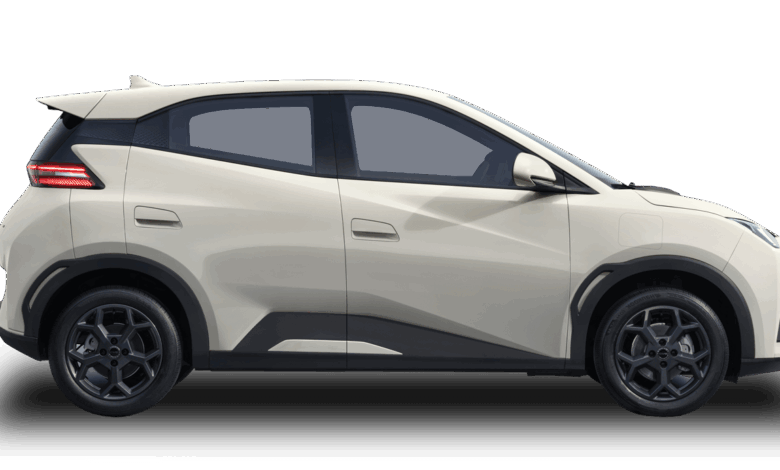
BYD Atto 1 is drawing unusual attention in Asia’s automotive market because it could reshape the conversation around affordable city cars. Its compact size, electric powertrain, and expected pricing position it close to the territory long dominated by LCGC models in Indonesia.
The significance goes beyond a new model launch. Atto 1 is being watched as a potential bridge between conventional low-cost cars and electric mobility, especially for buyers who want modern features without entering a much higher price bracket.
Why this small EV is getting so much attention
Price is the main reason the model is being discussed so widely. Analysts believe that if BYD Atto 1 arrives at a level close to premium LCGC cars, or only slightly above them, consumer interest could shift faster than many expected.
For many buyers, the biggest barrier to switching to electric cars has been the higher purchase price compared with gasoline-powered alternatives. That is why Atto 1 is seen as important: it may help close the gap for first-time EV buyers who need a more accessible entry point.
| Key Aspect | BYD Atto 1 |
|---|---|
| Positioning | Compact electric car aimed at urban mobility |
| Expected Appeal | Potentially close to premium LCGC pricing |
| Range | More than 300 km per full charge, depending on configuration |
| Battery | Potential use of Blade Battery technology |
Built for city users, not just EV enthusiasts
Atto 1’s compact dimensions make it relevant for daily urban use. The model is considered suitable for dense traffic, tight parking spaces, and commuting needs for young families and first-time car buyers.
Its electric setup also offers practical cost advantages. Daily energy use can be more efficient, while routine maintenance is generally simpler because electric vehicles have fewer moving parts than conventional cars.
BYD’s brand power adds to the pressure
BYD is not entering this segment as an unknown player. The company has become one of the world’s largest new-energy vehicle manufacturers, with millions of units sold each year according to its official data.
That track record matters because previous models such as Dolphin, Atto 3, Seal, and Seagull have already strengthened the brand’s global reputation. As a result, expectations around Atto 1 are high even before its full market reception is clear.
Design and cabin tech aim above the usual cheap-car formula
The design direction is another reason the car stands out. Reports describe a slim LED front lighting setup and a more dynamic body line, creating a futuristic look rather than the plain styling often associated with budget cars.
Inside the cabin, BYD is expected to keep its technology-focused approach. A large digital display, modern instrument panel, smartphone connectivity, advanced infotainment, and active safety features are expected to be part of the package.
That combination gives Atto 1 an edge over many LCGC models that still focus heavily on production efficiency. For consumers, the mix of affordable pricing and modern features is a strong reason to consider an electric car.
Battery range and everyday practicality
The car is expected to use an electric motor tuned for daily commuting rather than high-performance driving. Even so, the instant acceleration typical of electric vehicles remains one of its main attractions.
Based on reports from several international automotive media outlets, the battery setup is expected to deliver more than 300 kilometers of range on a single full charge, depending on the version sold. That figure is enough for city use and moderate intercity travel.
Indonesia could become a key battleground
Electric vehicle adoption in Indonesia has continued to grow, supported by government incentives, expanding public charging infrastructure, and rising awareness of energy efficiency. Those conditions create a favorable backdrop for a compact EV like Atto 1.
The market may also benefit from stronger competition in the affordable electric segment. More options can push technology forward and make pricing more competitive, which ultimately gives consumers more leverage.
Even so, public interest alone will not decide the outcome. Official pricing, after-sales service, spare parts availability, and charging access will all play a major role in determining whether BYD Atto 1 can truly challenge the long-held strength of LCGC models in Indonesia.
At a glance, the pressure is real
Atto 1 is not just being noticed because it is new. It is being watched because it combines the one thing many buyers want most from an EV—lower running costs—with the kind of price expectation that could force the market to pay attention.
If BYD sets the right price and supports the car with a reliable local ecosystem, Atto 1 could become one of the most important compact EVs in the region’s mass-market conversation.