


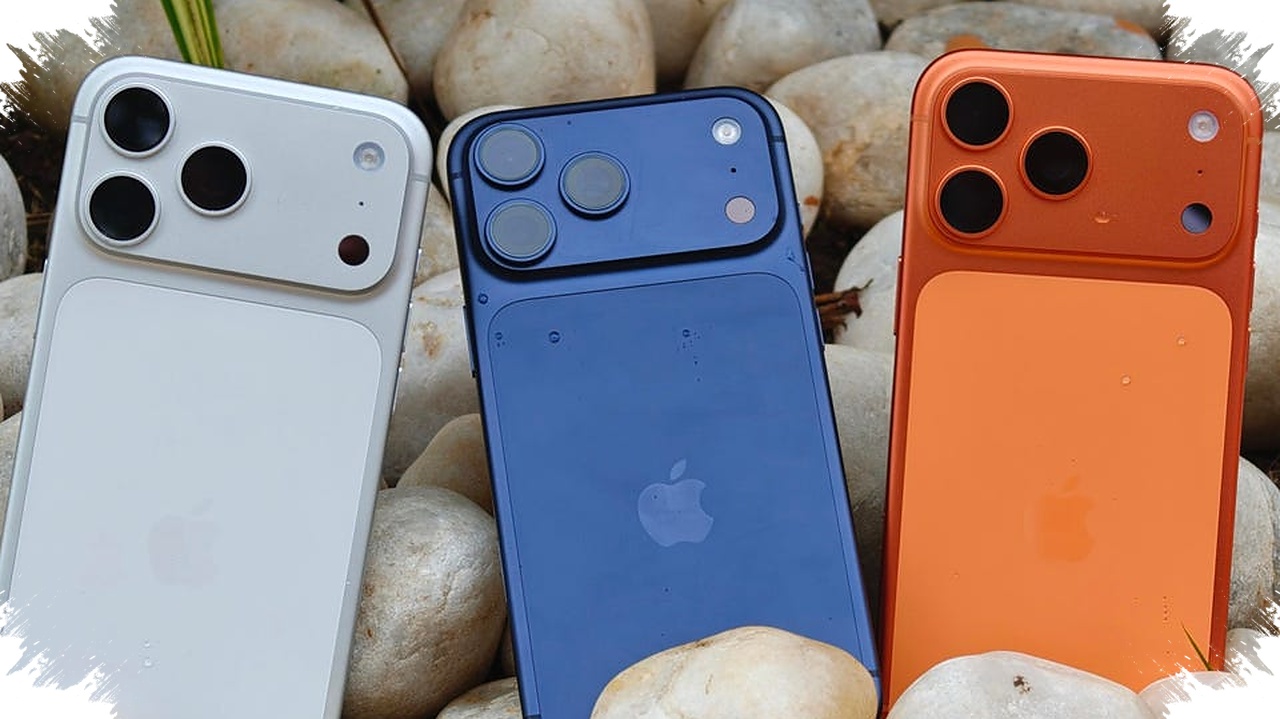
Apple is reportedly preparing a version of iPhone 20 that removes one of the most familiar parts of the device: moving physical buttons. The anniversary model is being discussed as a major redesign effort, with a cleaner exterior and more components hidden beneath the display.
The strongest claim in the current leak comes from Instant Digital on Weibo. The tipster says iPhone 20 will use solid-state buttons, meaning the controls will not physically move in and out like traditional keys.
A different kind of button system
Instead of mechanical travel, the system is said to detect pressure and then respond with haptic feedback. That would allow the buttons to feel conventional while using a design with fewer moving parts.
This approach is also being linked to better durability. With less mechanical movement on the frame, the hardware could be more resistant to wear over time.
The leak also suggests Apple has already finished testing pressure recognition in a wide range of conditions. Those tests are said to include use with gloves, wet hands, extreme temperatures, and even when the phone is inside a case.
Another detail from the same report points to a very low-power chip supporting the button system. That chip is said to let iPhone 20 keep recognizing pressure and responding even when the device is powered off.
If that part of the rumor proves accurate, the experience of using the power and volume controls would change significantly. Apple has been associated with solid-state buttons before, but the 20th-anniversary model is being framed as the most likely candidate to bring the idea into a finished product.
A cleaner front side with fewer visible openings
The button changes are only one part of the broader design story. iPhone 20 is also said to be moving closer to a front surface with fewer cutouts and less visible hardware.
One of the biggest rumored shifts is under-display Face ID. The technology mentioned is under-display infrared, or UDIR, which would place facial-scanning components behind the screen itself.
The front camera is also reported to move under the display. Together, those changes would create a much more seamless front panel with far less interruption from sensors and camera openings.
Apple is also said to be working on under-display sound to address the earpiece area. The rumored method is described as vibrotactile, using vibration to produce audio without a visible front speaker hole.
That direction suggests a device designed to look and feel more enclosed, with fewer external openings across the front. For users, the result would be a cleaner display area and a body structure that appears more tightly integrated.
Battery, display, and protection details
Beyond the visible design changes, the leak also mentions a battery of around 6000mAh. iPhone 20 is further said to support wireless reverse charging, allowing it to power other devices wirelessly.
Display changes are also part of the rumor set. The phone is claimed to use a dual-layer OLED panel, although the technical details behind that setup have not been disclosed.
Protection may also be improved through an enhanced Ceramic Shield. The claim says the layer would remain scratch-free even after being kept in a pocket with keys for months, though that level of durability remains unproven until any final product appears.
Taken together, the rumors point to an iPhone built around reduction: fewer moving parts, fewer visible components, and a more unified front. The anniversary model is now being positioned as one of Apple’s most experimental releases, especially as other reports also mention the upcoming iPhone 18 Pro lineup and the company’s first book-style foldable, currently dubbed iPhone Ultra.
Apple has not confirmed any of these details, and the entire package remains in the rumor stage. The iPhone 20 series is expected in 2027, but the specifications now circulating could still change before any official launch.