


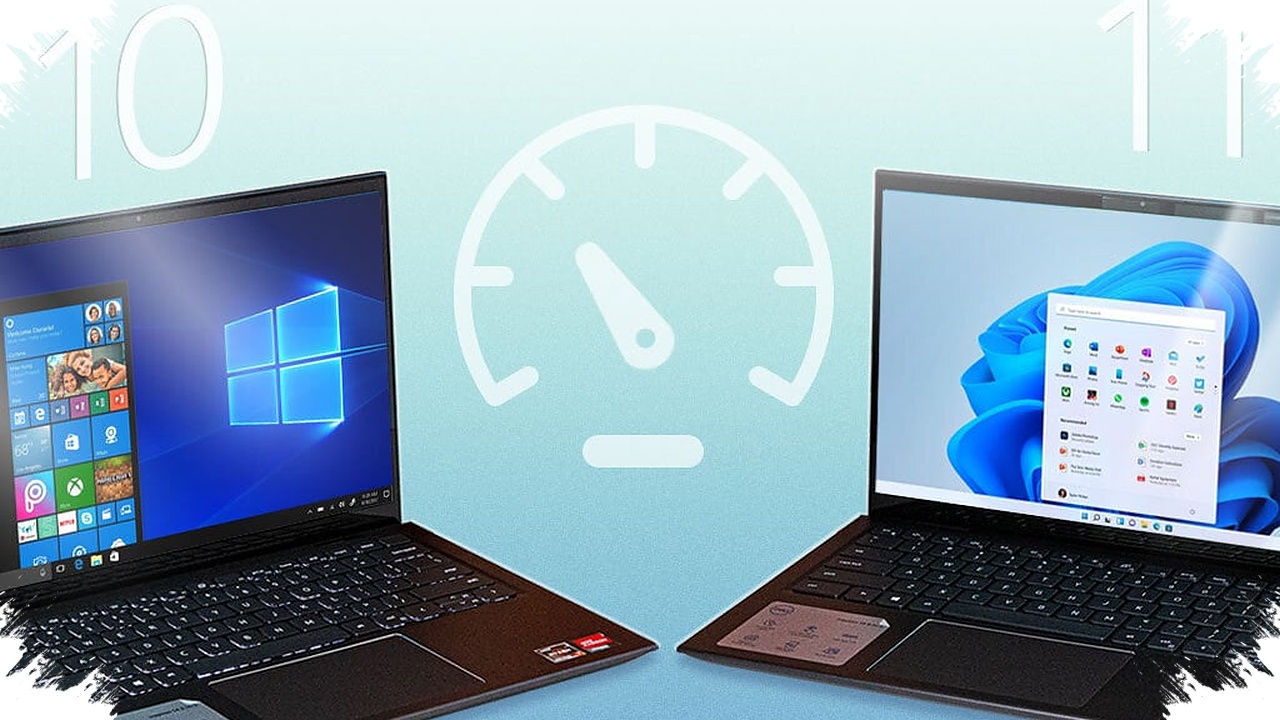
Windows 11 may be the newer name on the screen, but a sizable share of PC gamers on Steam still have not moved on from Windows 10. That reluctance is not just inertia; it reflects a mix of hardware limits, everyday convenience, and a belief that the older system still fits gaming needs better.
The hardware survey from Steam shows that more than a quarter of PC gamers are still using Windows 10, even though the operating system reached end-of-life on October 14, 2025. Nearly seven months after official support ended, the numbers suggest that many players do not see an urgent reason to switch.
Why Windows 10 still feels safer to many players
For a large group of gamers, Windows 10 has reached a level of maturity that is hard to replace. After a decade of feature updates and bug fixes since its 2015 release, the system is widely seen as stable and predictable for daily gaming use.
That stability matters because gamers usually want a machine that works the same way every time they power it on. With no more major feature updates, Windows 10 is also perceived as less likely to bring interface changes, compatibility problems, or new bugs that could disrupt play.
PC compatibility remains a major barrier
Another reason many users stay put is simple hardware support. Windows 10 does not require TPM, Secure Boot, or other specific components, which means it still runs on many older PCs.
Windows 11 is much stricter about hardware requirements. As a result, some Windows 10 users cannot upgrade officially even if their machines are still capable of handling games without trouble.
That leaves many players in a practical position: if their favorite titles already run well, moving to a new operating system becomes harder to justify. For older systems especially, Windows 10 is still viewed as capable enough for everyday gaming.
Lightweight feel still matters
Performance perception also plays a role. Windows 10 is often considered lighter in day-to-day use, and that impression carries weight for gamers on older hardware.
Basic tools such as Notepad, Paint, File Explorer, and Task Manager are said to open faster on Windows 10 than on Windows 11. File Explorer in Windows 11 is even described as slower to load, which reinforces the idea that the newer system feels heavier.
For gamers, responsiveness is not a minor detail. A system that feels quick and uncomplicated is often preferred, especially when the PC is no longer brand new.
Less AI, fewer ads, and less clutter
Windows 11 also adds more AI elements to built-in apps such as Notepad, Paint, and Search. Windows 10 has far more limited AI integration, and that difference is seen as a benefit by users who want a cleaner system.
Some gamers also dislike the amount of advertising and bloatware they associate with Windows 11. Windows 10 is viewed as having fewer built-in ads, while the Start Menu in Windows 11 is said to include ads as well.
That is why a simpler interface remains attractive. Many users do not want a system filled with features they consider unnecessary, especially if those extras get in the way of a clean gaming setup.
Setup freedom still gives Windows 10 an edge
The initial setup process is another friction point. Windows 10 still makes it easier to create a local account during installation, while Windows 11 is seen as pushing users more strongly to sign in with a Microsoft account.
For some PC gamers, that extra requirement is enough to make the newer system less appealing. When a machine already works the way they want, even small restrictions can push them to stay with the familiar option.
That choice now comes with a clear downside. Since Windows 10 is no longer supported, it does not receive security updates, which leaves it more exposed when new vulnerabilities appear.
Even so, the Steam data shows that many gamers continue to prefer the older platform. Stability, compatibility with older hardware, a lighter feel, fewer AI and ad elements, and a more flexible setup process still give Windows 10 enough appeal to keep it alive in the gaming community.