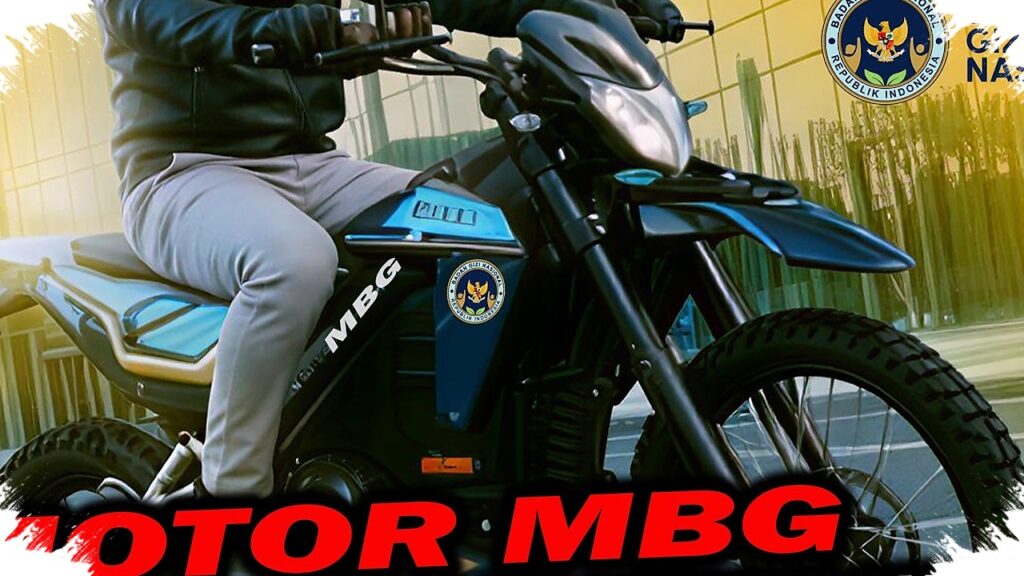
The Emmo JVX GT and JVX Max electric motorcycles purchased by the National Nutrition Agency are set to support SPPG operations across Indonesia. To keep these units durable and ready for daily use, maintenance must stay focused on the battery, brakes, tires, storage, and regular inspections.
Electric motorcycles do not use fuel oil. They run on rechargeable batteries, which makes them more efficient and cleaner because they do not produce air pollution.
Battery care comes first
The battery is the most important part of an electric motorcycle used for operational work. The charger should match the one provided by the manufacturer or the charger recommended in the user manual.
Charging should follow the instructions in the guidebook, because the battery system needs proper handling to stay healthy. Overcharging must be avoided, since leaving the battery plugged in too long after it reaches full capacity can damage the cells and shorten battery life.
It is also important not to let the battery run completely empty. Using the motorcycle until the battery is fully depleted can reduce its service life and make the unit less reliable for SPPG tasks.
Brake checks support safety
A motorbike that moves food service or other field operations must stay safe on the road. That is why the braking system needs regular attention, especially on the JVX GT and JVX Max units that will be used every day.
Brake pads should be checked for thickness, and they need to be replaced once they become too thin. The brake disc also needs inspection to ensure there are no scratches or deformation that could affect braking performance.
Tire pressure affects comfort and control
Tire pressure plays a direct role in ride comfort and safety. The pressure should always match the manufacturer’s recommendation to help the motorcycle remain stable during operation.
Proper pressure also helps the vehicle run more efficiently. If the tires are underinflated or overinflated, handling can suffer and the motorcycle may wear faster than expected.
Storage conditions matter
When not in use, the motorcycle should be parked in a dry place and protected from extreme weather. A cover can help keep dust and dirt away from the body and important components.
If the motorcycle will not be used for a long time, the battery should be stored at around 50% charge. It should also be kept away from direct sunlight and placed in a cool area to maintain its condition.
Routine visual checks help prevent problems
Regular inspections can catch small issues before they become bigger ones. Cables, lights, horn, and other parts should be checked visually to make sure everything still works properly.
Any dead lamp should be replaced immediately, and the wiring must be examined for loose connections, exposed cables, or signs of short circuits. These simple checks help keep the motorcycle ready for operational use and reduce the risk of sudden disruption.
Road conditions should not be ignored
Rough or damaged roads can affect the suspension and other parts of an electric motorcycle. For that reason, potholes and rough surfaces should be avoided when possible.
If the route is difficult, the motorcycle should be ridden slowly and carefully. This helps reduce stress on the vehicle and supports longer-term durability for SPPG operations.
Software updates also need attention
Some electric motorcycles come with applications or software features that support monitoring and connection functions. These systems should be checked regularly for updates so the integration remains safe and smooth.
The manufacturer’s user manual remains the main reference for maintenance. For the Emmo JVX GT and JVX Max, following the official guide is the most reliable way to keep the motorcycles in prime condition for daily operational needs.