A smartwatch warning that arrives minutes before a fainting episode may sound ambitious, but Galaxy Watch6 has now been tied to exactly that kind of result. A clinical study found that the device could alert users up to five minutes before syncope, with an overall accuracy of 84.6 percent.
The finding matters because fainting often happens without warning and can send a person to the ground before there is any time to react. For people at risk, even a short delay can be enough to sit down, lie down safely, or ask for help.
What the study examined
The research focused on vasovagal syncope, or VVS, one of the most common causes of fainting. It happens when heart rate and blood pressure suddenly drop, briefly reducing blood flow to the brain and triggering loss of consciousness.
Common triggers for VVS include stress, fear, emotional shock, anxiety, and pain. Although fainting itself is usually not life-threatening, the real danger often comes from the fall, which can lead to broken bones, head trauma, or a concussion.
Researchers noted that as many as 40 percent of people may experience VVS at least once in their lives. Some patients go through repeated episodes, which makes early detection especially important.
How Galaxy Watch6 was used
The study was carried out by Samsung and Chung-Ang University Gwangmyeong Hospital in South Korea. The results were later published in European Heart Journal, Digital Health.
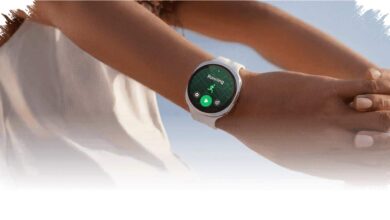
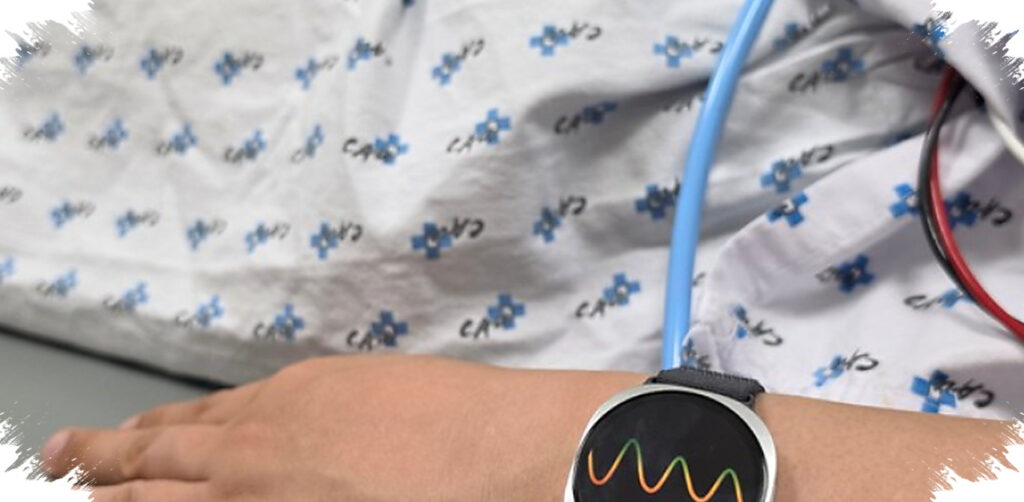
A total of 132 patients with suspected VVS symptoms took part in the trial. They underwent medically supervised fainting-trigger tests while wearing Galaxy Watch6 on their wrists.
The watch relied on its built-in photoplethysmography, or PPG, sensor to gather heart rate variability data. An AI-based prediction system then analyzed that data to detect early warning signs of an impending episode.
In those tests, the system reached 84.6 percent overall accuracy. Samsung also reported 90 percent sensitivity and 64 percent specificity, showing that the device identified many at-risk episodes, even if it was not perfect in every situation.
Why a five-minute warning matters
A warning window of five minutes may be short, but it can still change how a person responds. It may give someone enough time to avoid standing, calm down, lower their body safely, or get assistance from others nearby.
Professor Junhwan Cho, who led the research, said that early warning can give patients enough time to sit, lie down safely, or seek help before collapsing. That is what makes the result notable from a medical perspective.
Most wearables are used to track health trends or record what happened after the fact. This study points in a different direction, with a focus on predicting an acute event before injury occurs.
What Samsung says comes next
Samsung said it plans to expand AI-based preventive health features on future Galaxy wearable devices. The company’s aim is to make its smartwatch platform more active in detecting health risks.
If development continues, devices like Galaxy Watch6 could play a larger role in monitoring people with recurring conditions. Using sensors already built into a consumer product also suggests a path toward broader use without specialized medical equipment.
Still, the study should be viewed in context. It was conducted on patients with suspected VVS symptoms under controlled medical supervision, so the findings mainly show early clinical potential rather than a finished consumer medical solution.
For wearable technology, the result marks a shift toward more serious health use cases. For people prone to fainting, a warning from the wrist may mean the difference between preparing in time and collapsing without control.