


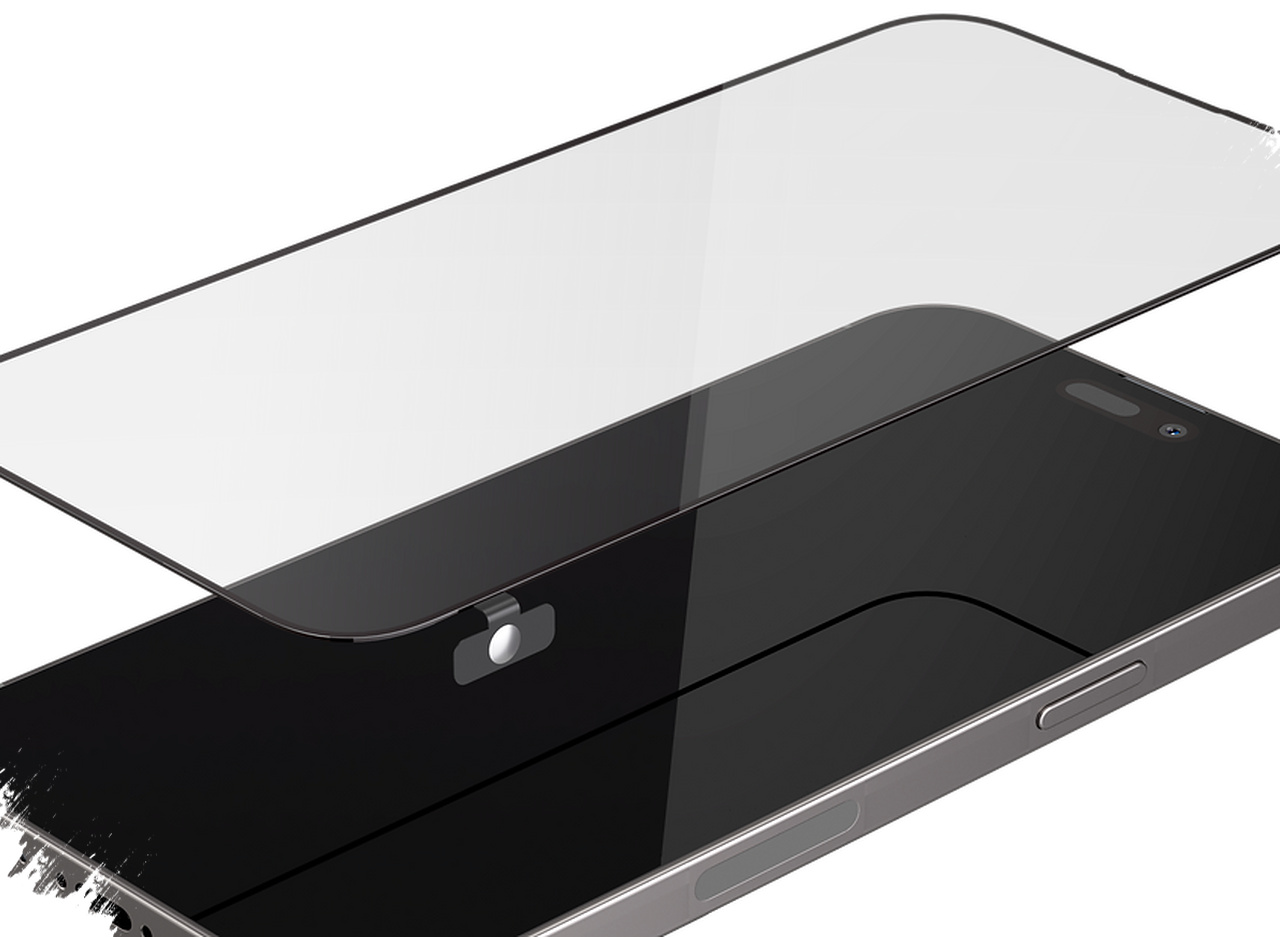
A screen protector rarely fails all at once. In many cases, the first signs are subtle: the display looks less clear, the touch response feels weaker, or tiny bubbles start appearing under the surface.
Those changes do not always point to a problem with the phone’s main panel. More often, they indicate that the protector itself has worn down and is no longer doing its job as the last layer of defense.
When the surface starts to change
The most obvious warning signs are cracks, lifted edges, and visible damage. Once a protector reaches that stage, its ability to shield the screen from scratches, scuffs, sand, small particles, and liquid drops sharply.
Less dramatic changes also matter. A hazy finish, reduced clarity, slight yellowing, and surface scratches can all signal that the protector is aging. Even if the phone still works normally, the user experience can begin to feel compromised.
Touch sensitivity is another clue. When taps and swipes no longer feel as precise as before, the protector may no longer be performing at the level it once did.
Bubbles and peeling are more than cosmetic
Small air bubbles are often treated as a minor annoyance. In practice, they can show that the adhesive quality has weakened and that the protector is losing its grip on the screen.
Peeling around the edges points to the same problem. If the layer starts lifting, the protector is no longer sitting properly on the display, which makes it less effective and more likely to interfere with daily use.
Leaving that condition unaddressed can make the phone feel less comfortable to use. It also leaves the screen more exposed to damage from everyday contact.
Age is not the only factor
A screen protector does not wear out only after a drop or impact. Daily use, ordinary friction, and environmental exposure can gradually reduce its protective ability over time.
Sunlight is one of the factors that can contribute to that decline. Because wear levels vary from one product to another, there is no exact replacement schedule that fits every case.
Even so, replacing a protector about once a year is considered a practical rhythm for keeping protection in good condition. That timing can also make sense when the extra layers built into certain models begin to thin out.
Special coatings also lose effectiveness
Some protectors come with added features such as anti-microbial, anti-glare, blue-light filtering, or privacy layers. Those features may help during normal use, but they are still subject to wear.
As the surface ages, the effectiveness of those layers can decline. That means a protector that once offered more than basic scratch defense may no longer provide the same level of support.
The hygiene aspect is also worth paying attention to. Many protectors include an anti-microbial layer designed to help limit buildup of dirt and germs, but that layer can also wear down with use.
Cleaner surfaces still need basic care
A protector with anti-microbial properties is not a substitute for routine cleaning. Phones still need regular wiping with alcohol wipes, since the layer only helps inhibit germs and does not work against pathogens.
When that protective layer has faded, bacteria can build up more easily on a surface that is touched constantly. Replacing the protector can help restore that added layer, as long as the new model also includes the same feature.
Choosing the right replacement
Material choice plays a major role when it is time to replace a worn protector. Common options include TPU, PET, tempered glass, and hybrid variants, and each one offers a different balance of protection and comfort.
Tempered glass usually costs more, but it provides the strongest overall resistance to impacts and scratches. It also feels closest to the phone’s original glass surface.
TPU is more affordable and still offers solid durability. Some TPU protectors also include self-healing properties that help cover small scratches and scuffs over time.
PET sits at the budget end of the range. It offers the least protection, but its very thin profile makes it almost unnoticeable once installed.
Match the protector to how the phone is used
Price alone should not decide the choice. The more important question is how much protection is needed and how close the surface feel should be to the original display.
Tempered glass is a better fit for users who face a higher risk of drops or knocks. For added impact defense, a sturdy case remains a sensible companion to the screen protector.
Other models include privacy protection, an oleophobic layer, or anti-microbial support. Because those are usually thin surface coatings, their performance can fade with time, which is another reason a replacement may be needed sooner rather than later.