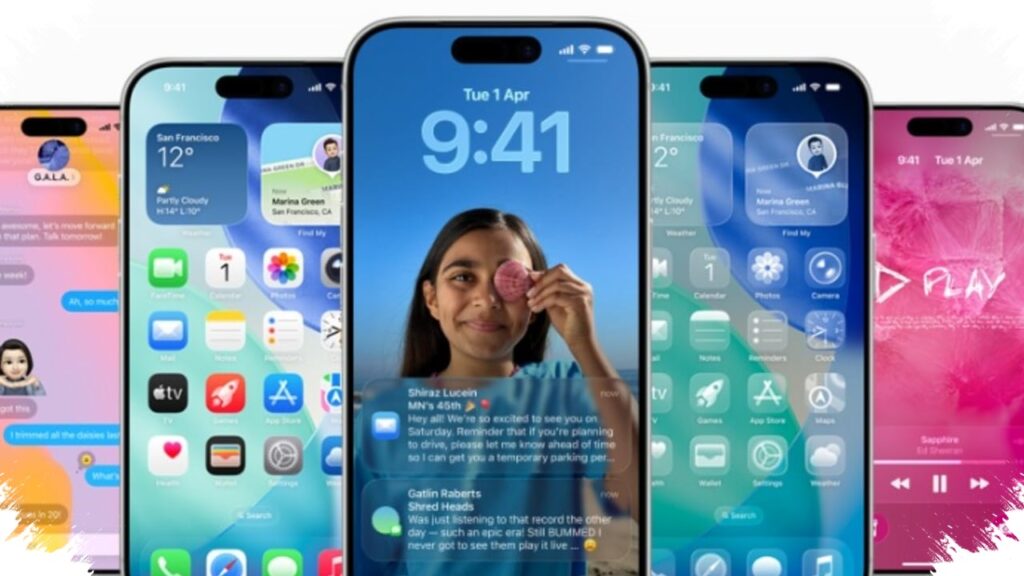
Apple’s next major software update is already drawing attention for what it may leave behind rather than what it adds. According to the current leak, iOS 27 will drop support for four older iPhone models, with the iPhone 11 line and the second-generation iPhone SE expected to be the most notable names on the list.
The official lineup is expected to be announced at WWDC on 8 June 2026. Until then, the circulating information points to a major shift in Apple’s support baseline, one that would move the oldest compatible hardware up to the iPhone 12.
The models reportedly excluded
The devices said to miss out on iOS 27 are the iPhone 11, iPhone 11 Pro, iPhone 11 Pro Max, and iPhone SE 2nd generation. All four use the A13 Bionic chip, which first appeared in 2019 and is now considered to be approaching the edge of its support cycle.
That would make the iPhone 12 the oldest iPhone still eligible for the next version of iOS. In practical terms, Apple would be setting the A14 Bionic as the new minimum standard for its latest operating system.
Why the chip lineup matters
Apple has long used chip architecture as a central factor in deciding software support. The A13 Bionic was a strong chip in its time, but it was built on a 7nm process.
By contrast, the A14 Bionic in the iPhone 12 moved to 5nm and also introduced a 16-core Neural Engine. It brought better power efficiency and stronger AI and machine learning performance, which matters more as Apple pushes toward systems that rely more heavily on on-device intelligence.
That is one reason the A13 platform is seen as less suitable for the next generation of iOS. With iOS 27 expected to include more AI-related on-device elements, Apple appears to need a more consistent performance floor.
What users of older iPhones would lose
Devices that do not receive iOS 27 would not stop working. Apple is expected to continue security updates for iOS 26 for several more years, following a pattern similar to the support it gave after iPhone 6s lost access to iOS 16.
Even so, the affected users would miss out on new iOS 27 features, including the smoother Liquid Glass interface. They would also miss Siri improvements, while Apple Intelligence remains limited to iPhone 15 Pro and newer models.
Compatibility could become another pressure point over time. As developers raise minimum iOS requirements, older phones may gradually lose access to more demanding creative apps and future ecosystem features that are optimized for newer chips.
Why the decision is getting attention
The leak has sparked debate because iOS 27 is being described as a refinement-focused release rather than a major feature jump. Apple is said to be taking a Snow Leopard-like approach, prioritizing stability, efficiency, and UI polish.
That makes the reported cut more surprising to some observers. Earlier refinement-oriented releases widened device support instead of narrowing it, with iOS 12 still supporting the iPhone 5s and iOS 14 still supporting the iPhone 6s.
A longer runway, but not forever
Even without iOS 27, the iPhone 11 family is not expected to become unusable any time soon. Apple typically continues feature updates for 1–2 years after main OS support ends, then follows with 3–5 years of periodic security updates.
In everyday use, that means these phones should still receive important security patches and run popular apps for at least a while longer, potentially through 2027. The sharper impact may be on resale value, which could fall quickly once Apple confirms the change at WWDC.
For many owners, the report marks the beginning of the end of a long support cycle rather than an abrupt cutoff. The iPhone 11 series may still function well, but the next major step in Apple’s software roadmap appears to be moving beyond it.