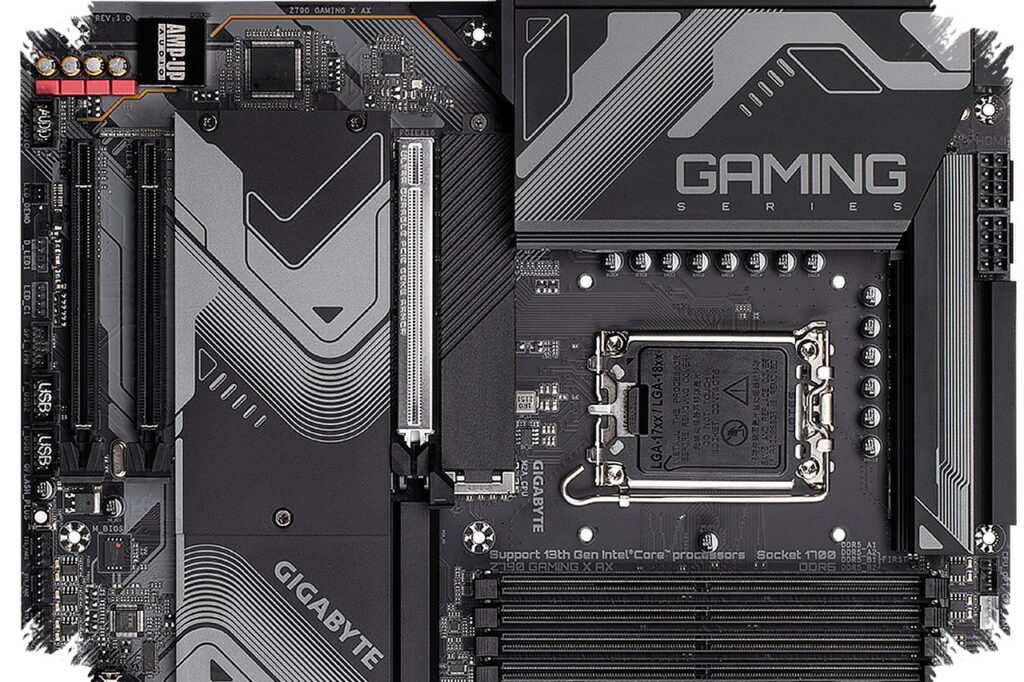
The motherboard market is heading into 2026 under heavier pressure than before, and the reason goes beyond a simple sales slowdown. Rising PC build costs are changing how consumers spend, while hardware makers are increasingly pulled toward AI and data center business instead of the consumer PC segment.
That combination is putting motherboard sales in a difficult position. With upgrades delayed and production priorities shifting, demand is weakening at the same time that prices are still climbing.
Rising build costs are spreading across the entire PC stack
The pressure did not start with motherboards alone. Since last year, prices for several core PC parts have moved higher, including RAM, SSDs, graphics cards, and processors, as supply chains have remained unstable.
For custom PC buyers, that has made complete system builds more expensive. When available, hardware has also tended to cost more than it did a few years ago, leaving consumers with fewer attractive reasons to upgrade right away.
Motherboard vendors have tried to respond by simplifying designs and trimming certain features to keep retail pricing competitive. Even so, that effort has not been enough to stop prices from moving up.
Reported motherboard prices in 2026 are said to be about 10 to 20 percent higher, depending on the model and product class. That increase adds another layer of hesitation for buyers who already face higher costs for the rest of the build.
Gamers are waiting instead of upgrading
The demand problem is not just about pricing. A growing number of gamers and PC users are choosing to wait because they do not see a major enough leap in new hardware to justify an immediate upgrade.
The gaming graphics card market has also moved more slowly through 2026. Rumors that the next generation of GPUs may arrive later than expected have encouraged some buyers to hold off rather than spend now.
That behavior matters for motherboards because the board is often replaced when users move to a new CPU or GPU platform. When the upgrade cycle slows, motherboard sales naturally lose momentum as well.
The effect is already visible in shipment expectations for major vendors. ASUS is trying to stay above 10 million units, although that would still be far below the previous year.
Shipments face sharp declines across major vendors
Other big names are expected to feel the slowdown even more. MSI and Gigabyte are both projected to see shipment declines of around 25 percent.
ASRock appears to be among the hardest hit, with shipments reportedly falling by more than 30 percent. Those figures show how quickly a softer upgrade cycle can affect a product category that depends on replacement purchases.
The situation is particularly difficult because motherboard demand is tied closely to consumer enthusiasm for building or refreshing a PC. When that enthusiasm weakens, the market has less room to absorb higher prices.
AI is pulling the industry in a different direction
At the same time, hardware companies are finding stronger growth in AI. Server AI and data center infrastructure are bringing in larger revenues, and demand for AI servers continues to rise as tech companies race to build AI-based services.
That shift is changing how vendors allocate resources. More attention and capacity are being directed toward the segments that look more profitable, which means the consumer PC market is no longer the center of gravity it once was.
For motherboard makers, that creates pressure from two sides at once. Consumer demand is cooling, while the broader hardware industry is moving toward AI-scale computing that absorbs more production focus.
Buyers are becoming more selective
For PC users, the result is a more cautious upgrade environment. They face higher component prices, fewer compelling reasons to replace old parts, and less clarity about when the market will ease.
If current conditions continue, motherboard purchases could stay weak for longer. As long as PC build costs remain elevated and gaming hardware momentum stays slow, the category is likely to keep facing downward pressure.
Source: pemmzchannel.com