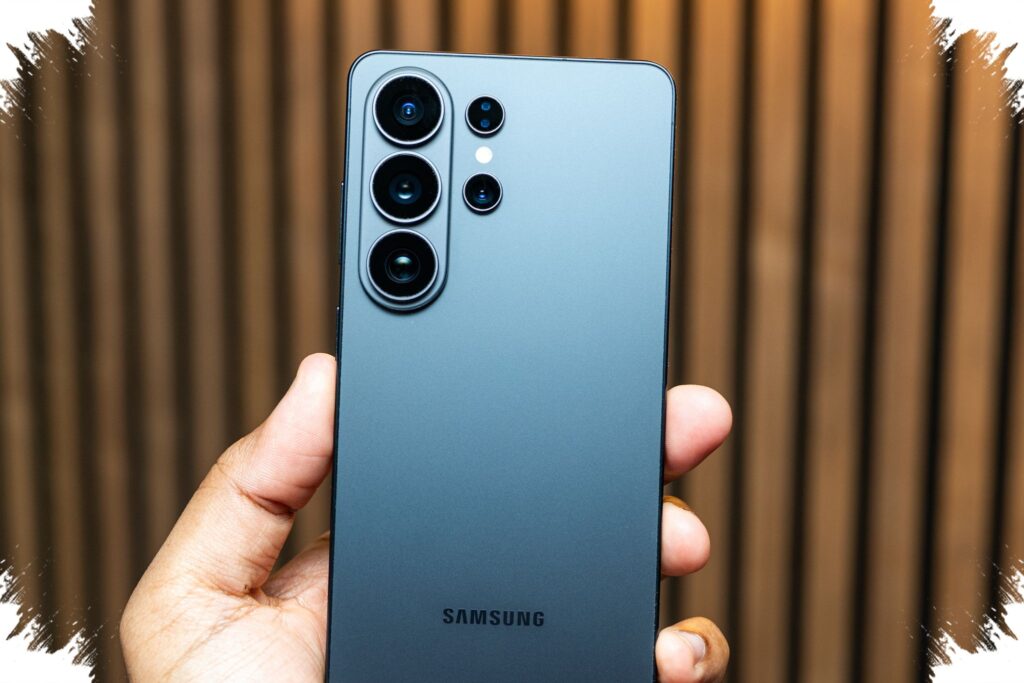
Samsung’s next Ultra model is being positioned around a simple promise: low-light photos that look usable the moment they are taken. With Galaxy S26 Ultra, the company is pairing a new 200MP camera sensor with AI imaging so night shots can come out sharper, cleaner, and more natural without extra editing.
That direction matters for users who need images fast, especially in hybrid work and the content economy. Content creators, journalists, digital workers, and small business owners increasingly rely on visuals that are ready to publish in real time, so camera performance is now judged by output quality rather than megapixel numbers alone.
AI becomes the center of night photography
The main upgrade is not just the return of a 200MP camera class. Galaxy S26 Ultra uses a new-generation AI 200MP sensor with more aggressive processing for low-light scenes, while keeping detail from getting lost when brightness rises.
Samsung also relies on pixel binning to support that process. By combining several pixels into one, the sensor can capture more light and help night photos stay bright without sacrificing important detail.
Nightography works in real time
Samsung adds AI-based Nightography to detect subjects, adjust exposure, and reduce noise automatically. The phone also uses AI ISP, or Image Signal Processing, so image processing happens in real time as the shot is taken.
That means the photo can look cleaner from the start, instead of depending on manual retouching after capture. In practical use, this is aimed at people who want a finished image quickly and do not want to spend extra time editing.
More than a camera story
The imaging system is paired with a broader flagship package. Galaxy S26 Ultra is listed with Snapdragon’s latest Elite-series chipset, up to 16GB of RAM, and storage reaching 1TB.
Those specifications matter for handling large high-resolution files and heavier content workloads. The device also includes a Dynamic AMOLED 2X display with a 120Hz refresh rate, an IP68 rating, and a battery of around 5000mAh with fast charging.
Camera setup and key hardware
The camera array is not limited to the main sensor. Samsung also includes ultra-wide and telephoto cameras with high optical zoom, giving the phone flexibility beyond night photography.
| Feature | Detail |
|---|---|
| Main camera | 200MP AI sensor, new generation |
| Additional cameras | Ultra-wide and telephoto with high optical zoom |
| Night features | AI Nightography enhancement |
| Chipset | Latest Snapdragon Elite-series processor |
| RAM | Up to 16GB |
| Storage | Up to 1TB |
| Battery | Around 5000mAh with fast charging |
| Display | Dynamic AMOLED 2X, 120Hz |
| Durability | IP68 water and dust resistance |
The emphasis on AI imaging also reflects a wider shift in the flagship market. Apple and Xiaomi are also using AI imaging as a major differentiator, which pushes competition toward smarter processing rather than only larger sensor numbers.
For users still on older smartphones, the upgrade case is straightforward. Better image quality, faster content production, and less editing effort are all part of the appeal, especially when the goal is to capture usable night photos immediately.
For Indonesia, Galaxy S26 Ultra is estimated to land at around Rp 20–25 jutaan in May 2026, depending on the variant. At that level, the main attraction is not only the hardware sheet, but the ability to produce night images that are sharp, clean, and ready to use right away.