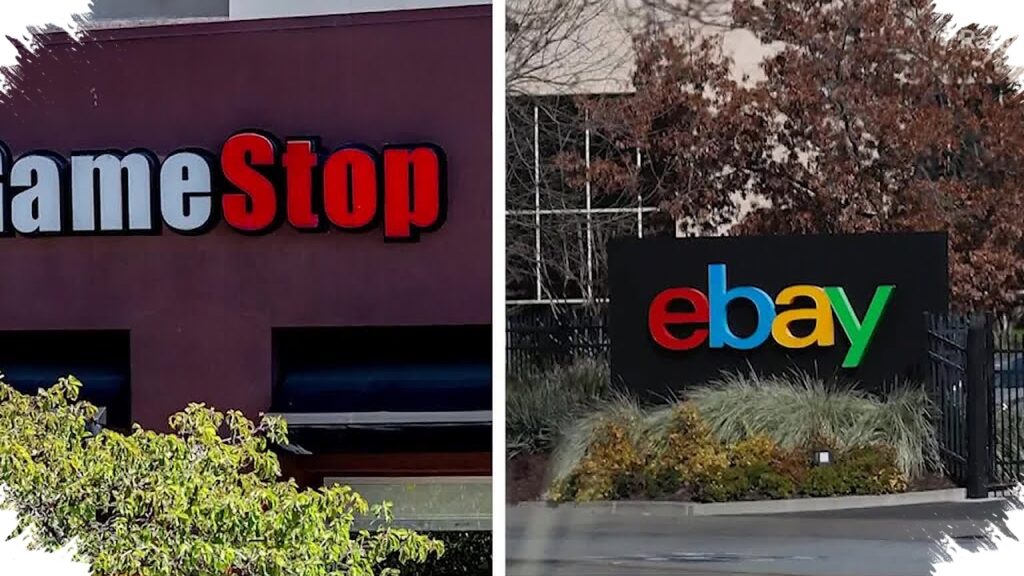
GameStop’s push to buy eBay has run into an immediate credibility problem. eBay rejected the $56 billion proposal outright, calling it “not credible and not attractive,” and the size gap between the two companies is one reason the offer has drawn so much skepticism.
The proposal valued eBay at $125 per share and came with roughly a 20% premium to the stock price at the time. Even so, a headline premium was not enough to offset doubts about whether GameStop could actually finance and complete a deal of this scale.
Financing became the central concern
The offer was structured as half cash and half GameStop stock, which made funding the transaction the most important issue. To close the acquisition, GameStop would reportedly need to borrow around $20 billion.
That borrowing requirement raised immediate questions because the amount is huge relative to GameStop’s size. Bloomberg said eBay was concerned about where the money would come from, and it also pointed to the debt burden that would follow if the transaction were forced through.
Those doubts deepened after GameStop’s CEO could not explain in detail where the loan financing would be secured. In a deal this large, a clear funding plan is usually essential before the market treats the bid as serious.
The scale mismatch shaped market reaction
The takeover attempt stood out because GameStop is much smaller than the company it wanted to acquire. GameStop’s market capitalization is around $11 billion, while eBay’s is near $45 billion.
That gap made the proposal look unusual from the start. Investors were left weighing how a smaller company could absorb a much larger target while also handling the pressure of financing, integration, and additional debt.
From a valuation perspective, the $56 billion bid also sat above eBay’s market value. A 20% premium can appeal to some shareholders, but it does not solve concerns when the target questions whether the offer is financially believable.
Leadership incentives added another layer
GameStop’s aggressive move also drew attention because of the incentives tied to its leadership. CEO Ryan Cohen reportedly could receive stock worth $35 billion if certain conditions are met.
One of those conditions is said to be raising GameStop’s market value to $100 billion. A major acquisition like the attempted eBay deal could have helped push the company toward that scale, which helps explain why such an ambitious bid was attempted.
Still, internal incentives do not answer the key question that eBay appears to have focused on: whether the purchase could actually be funded and executed. Strategy and compensation goals may have supported the bid, but they did not remove the financing risks.
A blunt rejection from eBay
eBay’s response sent a clear message that a higher price alone was not enough. The company did not view the proposal as a workable basis for negotiation, and its language suggested deeper concerns than a simple disagreement over valuation.
By describing the bid as “not credible and not attractive,” eBay signaled that it doubted both the seriousness of the financing plan and the practicality of the transaction itself. That stance leaves GameStop under pressure to clarify its intentions if it wants to keep the effort alive.
For now, eBay remains firm in its rejection. Attention now shifts to whether GameStop will revise the proposal, provide a more detailed funding explanation, or walk away from an attempted takeover that already triggered widespread doubt.
Source: www.gsmarena.com