


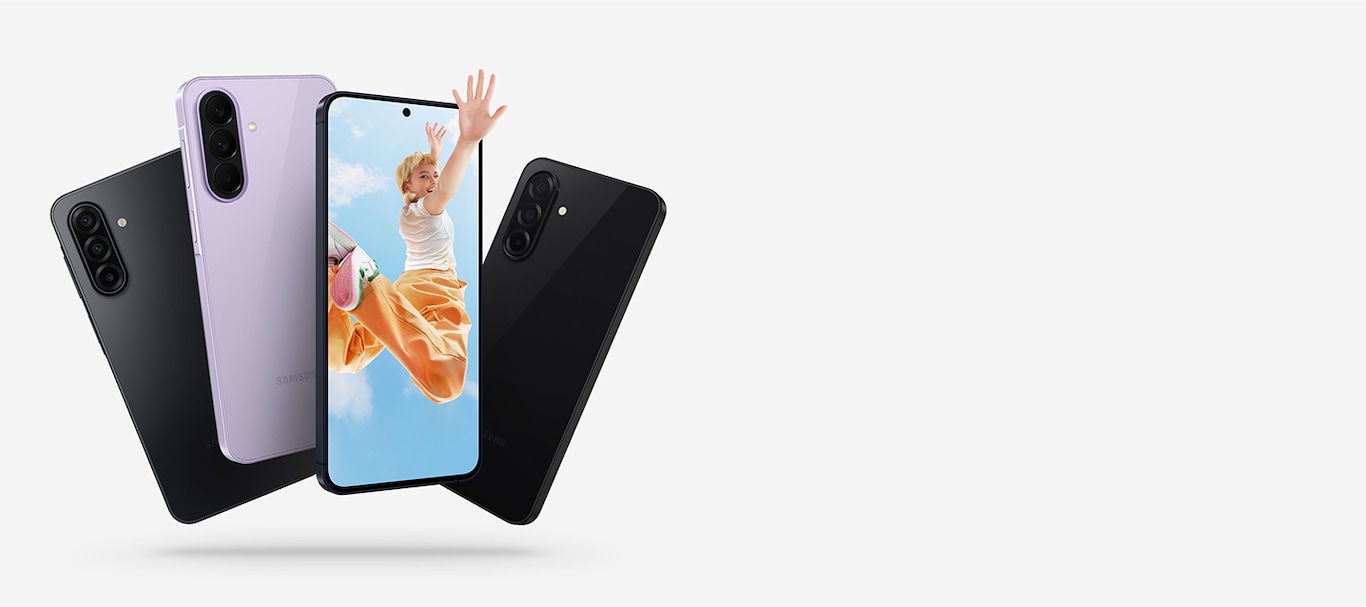
The sub-Rp8 million smartphone segment is no longer defined only by basic performance and familiar designs. Samsung is pushing harder in this range by bringing premium display quality, mobile AI, long software support, and Galaxy ecosystem strengths into models that stay below the flagship tier.
That strategy matters because competition in the middle class has become increasingly dense. Xiaomi, realme, vivo, and OPPO continue to pressure the market with fast displays, high-resolution cameras, and AI features on non-flagship devices that still look competitive.
Galaxy AI moves beyond the premium tier
One of Samsung’s strongest cards is the expansion of Galaxy AI to more devices, not just its top-end lineup. Since its global introduction in 2024, Galaxy AI has become a central part of Samsung’s smartphone strategy.
The feature set includes live translation, generative photo editing, and automatic summaries. With that move, Samsung is making AI feel less exclusive and more relevant for buyers in the middle segment.
Galaxy S24 FE leads the group
Among the devices in this price range, the Galaxy S24 FE stands out as the most attention-grabbing option. The Fan Edition model borrows several elements from the Galaxy S series, but it is sold at a lower price point.
It comes with a 120Hz AMOLED display, a premium-class chipset, and Galaxy AI support. That combination gives it a more flagship-like feel than many other phones in the same bracket.
Galaxy A56 targets balanced value
For buyers who want a more balanced package, the Galaxy A56 is another important option. Samsung positions it with a Super AMOLED display, a premium design, a high-resolution camera, and a large battery.
Samsung has also improved body materials in the Galaxy A line. As a result, the midrange experience now comes closer to the flagship feel without pushing the device into the highest price class.
Galaxy A36 and A26 focus on lower budgets
Users with tighter budgets can look at the Galaxy A36 and Galaxy A26. Both devices still run the latest One UI and come with several years of Android and security updates.
That long update commitment remains one of Samsung’s most important selling points. Many users keep their smartphones for a long time, so software support often becomes a deciding factor when devices in the same price band look similar on paper.
Why Samsung still has room to compete
Samsung’s appeal in the middle segment rests on a mix of performance, camera quality, battery life, and software value. That balance matters more now because smartphones are used for gaming, video streaming, social media photography, and mobile work.
The pressure will not ease soon. Competition in the Rp5 million to Rp8 million range is expected to get even tighter throughout 2026 as Android brands bring AI, high-quality cameras, and high refresh rate screens to devices that no longer feel far removed from the flagship class.
Samsung’s answer is to keep improving software, AI features, and ecosystem integration. For buyers seeking a premium experience without stepping into the top price tier, that approach gives the company a strong position in a crowded market.