


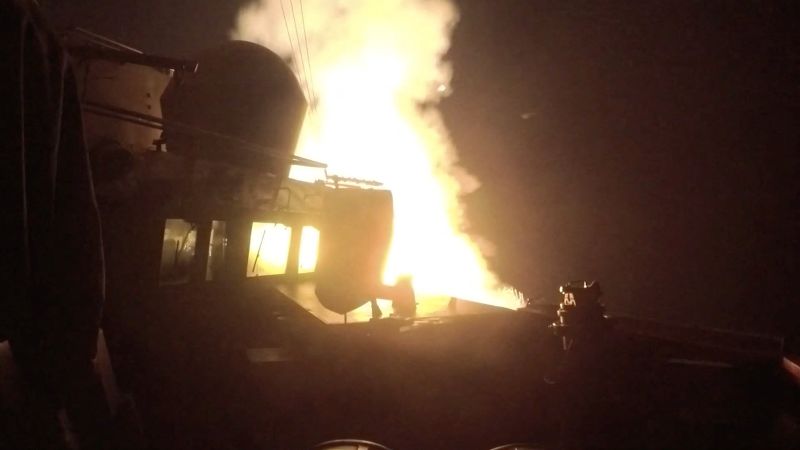
The Strait of Hormuz is once again the focus of a dangerous standoff, but the real test is not a declaration from Tehran or Washington. It is whether shippers decide the waterway is safe enough to use.
Iran said the strait was closed after the United States carried out a second night of strikes on air defense sites and other military assets across the country on Wednesday. The claim immediately raised alarm because the route is one of the world’s most important energy chokepoints.
Shipping, not slogans, will decide the outcome
Iran’s Islamic Revolutionary Guard Corps threatened to shoot at tankers and commercial ships that try to pass through the waterway. The US military disputed the closure claim, saying on X that commercial vessels were still transiting in and out of the strait.
Gregory Brew, a senior analyst at Eurasia Group, told CNN last month that the key question is not who announces the status of the strait. “It is not the US or even Iran who decides if the Strait of Hormuz is open or not. It is shipping companies,” he said.
He added in the same interview that “The strait will open when shippers have decided it is safe to transit again.” That means the practical answer can differ from the political one, especially when tensions are rising fast.
Traffic has already thinned sharply
By that measure, the strait is already functioning as if it were closed, even if not fully sealed. Visible transits have dropped to low double-digit numbers from about 140 vessels a day before the war.
There have also been “dark” transits, when vessels switch off transponders to avoid detection. Even so, the wider picture points to the same conclusion: the shipping industry will decide whether the Strait of Hormuz remains open in practice for oil and other goods.
That makes the latest escalation more than a headline about military strikes. It is a direct threat to the flow of commercial shipping through one of the most sensitive waterways in the region.