


GPS on a smartwatch can be more useful than many users expect, especially when a person loses direction or needs to share a location quickly. In outdoor activities such as hiking, long-distance cycling, or travel in unfamiliar places, the feature can become the difference between getting help fast and drifting further off course.
Modern smartwatches are no longer limited to notifications and step counting. They can now display coordinates, show navigation maps on the wrist, and in some models even store routes that users have already taken so they can trace their way back.
Location data can be accessed quickly
The main function of GPS on a smartwatch is to determine the user’s position on Earth. When someone is in an unfamiliar area, that data can provide an immediate starting point for navigation and rescue efforts.
That usefulness becomes even clearer when a device can share the current location with emergency contacts. On some premium smartwatches, SOS functions can also send the latest position automatically to emergency services or to a preset contact list.
It still works without internet access
Many people assume GPS only works when a device is connected to the internet. In reality, the system receives signals from satellites orbiting Earth, which means its core function can continue even without a network connection.
Internet access is still needed for extra features such as loading online maps or sending a location through certain apps. If offline maps have already been downloaded, navigation can still work in remote areas with weak or no signal.
A useful tool for search and rescue
In some situations, location data from a smartwatch can help rescue teams find a person faster. A shared coordinate can provide a direct lead, while built-in emergency features add another layer of support when immediate help is needed.
For users who often move outdoors, this makes a smartwatch more than a simple accessory. It becomes a compact location tool that can support both self-navigation and emergency communication when conditions turn difficult.
The battery trade-off is hard to ignore
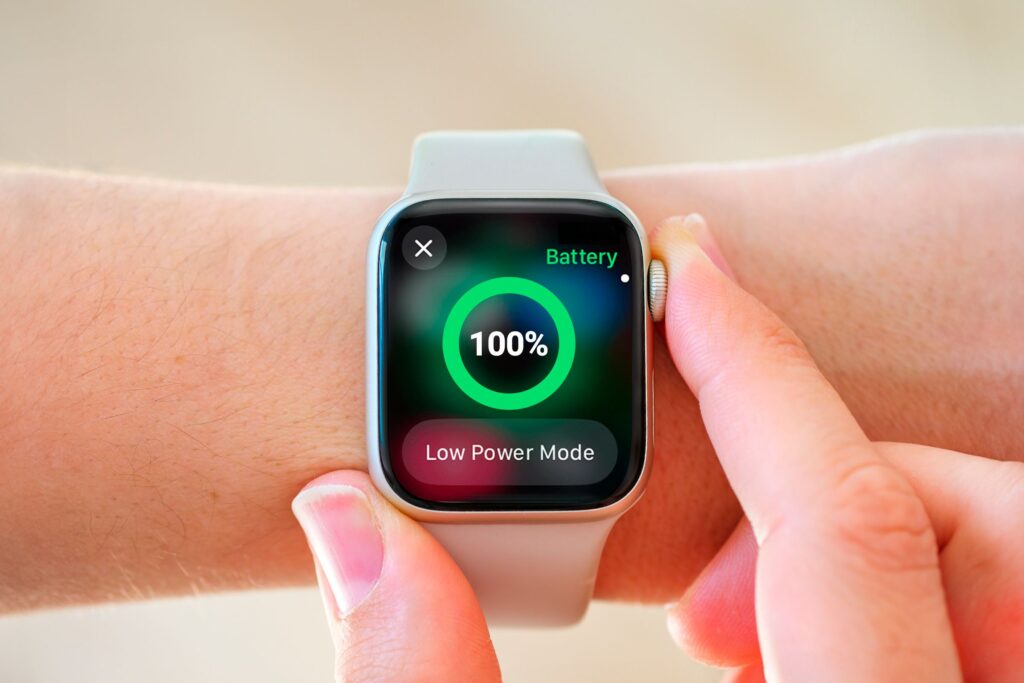
The biggest weakness of GPS is power consumption. Continuous use can drain a smartwatch battery much faster than normal daily use, and that becomes a serious issue on long trips.
Because of that, many users only activate GPS when necessary or switch to power-saving modes. Carrying a power bank and making sure the battery is full before leaving are practical steps to reduce the risk of losing the feature when it is needed most.
Still not a replacement for safety gear
Even with GPS and SOS features, a smartwatch should not be treated as a full substitute for professional safety equipment. Weather, device damage, and an empty battery can still limit its usefulness at critical moments.
For higher-risk activities such as mountain climbing or long expeditions, extra equipment remains important. A physical map, compass, backup communication tools, and emergency supplies still provide protection that a smartwatch alone cannot guarantee.
GPS smartwatches offer a practical advantage that is especially relevant in emergencies. They can track location, store routes, and share coordinates, giving users a useful layer of support beyond ordinary timekeeping.
That advantage, however, depends on preparation and device condition. A charged battery, the right settings, and a clear understanding of available features determine whether the watch will be helpful when the unexpected happens.