


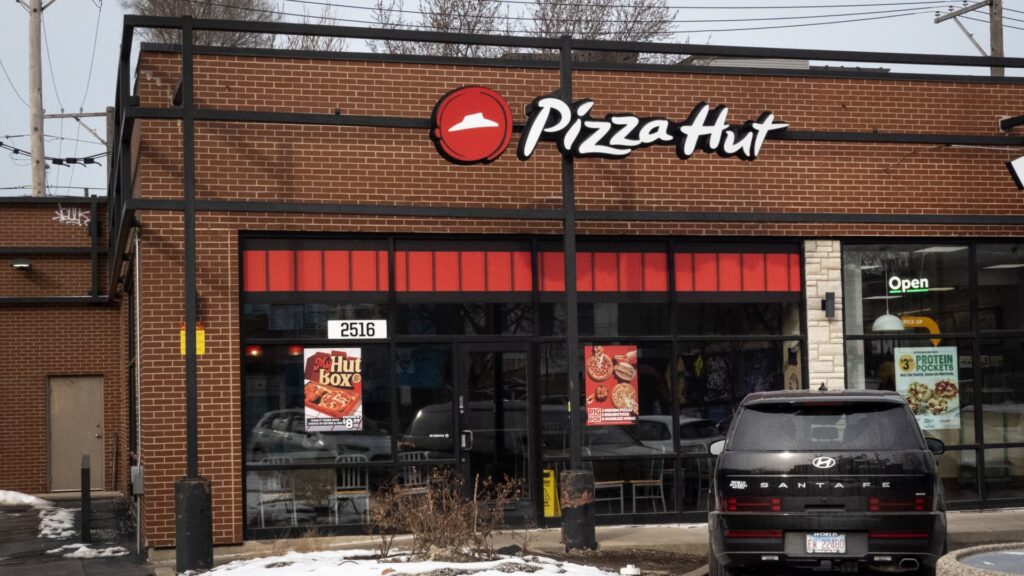
Yum Brands is selling Pizza Hut in a move that ends years of pressure on the chain and reshapes the company’s portfolio. The deal gives the struggling brand a new ownership path after it lagged rivals and lost ground in key markets.
On Tuesday, Yum said it will sell Pizza Hut to private equity firm LongRange Capital for roughly $1.5 billion. A separate transaction will transfer Pizza Hut’s mainland China business to Yum China for about $1.2 billion.
Together, the deals value the business at about $2.7 billion. Yum expects to receive about $2.3 billion in net proceeds after taxes, closing adjustments and fees, excluding a possible $75 million earn-out from LongRange by 2030.
Why Yum is moving on
Pizza Hut has been a drag on Yum’s overall performance for years. In the U.S., the chain moved away from its old sit-down model and salad bars to focus on delivery and carryout, but the shift left it behind competitors that adapted faster.
Domino’s Pizza has taken market share from Pizza Hut over time, while third-party delivery apps such as DoorDash have also pulled sales away from the brand. In November, Yum said it was exploring strategic options for Pizza Hut before deciding that a sale would best maximize shareholder value.
Yum said its leadership team and board concluded that selling Pizza Hut would provide “the strongest path” to maximize shareholder value and give the chain an ownership structure “tailored to its distinct markets, competitive strengths and long-term priorities.”
What happens next
Yum said it expects one-time expenses of about $85 million during the rest of 2026 tied to the transactions. Management plans to give more detail on the financial impact during Yum’s second-quarter conference call on July 30.
The company expects the sales to close in the third quarter, subject to regulatory approval. The deal also severs Pizza Hut’s decades-long ties to Taco Bell and KFC inside Yum’s portfolio.
Pizza Hut was founded in 1958 by brothers Dan and Frank Carney in Wichita, Kansas, and began franchising a year later. It went public in 1969 and became the biggest pizza chain in the world just two years after that, before losing the title to Domino’s in 2017.
At the end of 2025, Pizza Hut had nearly 20,000 locations across 108 countries and territories and reported $12.8 billion in annual system sales, according to Yum’s regulatory filings. The U.S. is its biggest market, accounting for about 40% of system sales, followed by China at roughly 20%.
Yum China will take control of the mainland China locations, while LongRange Capital takes over the rest of the business outside that market. The split closes one chapter for a brand that once defined global pizza expansion and now enters a new ownership era.