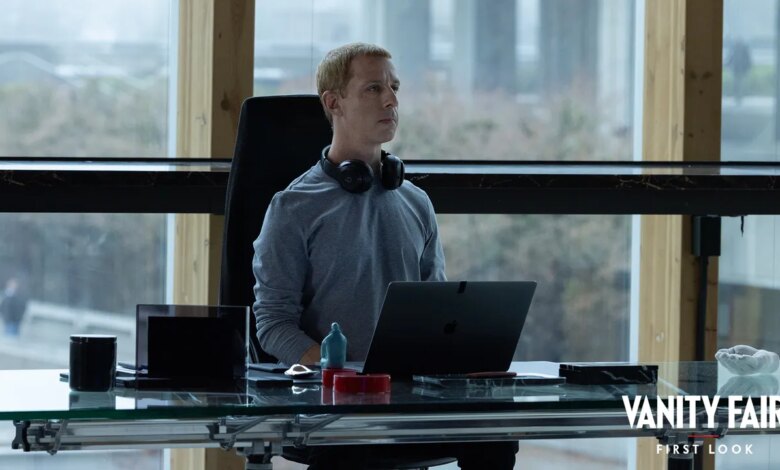
Aaron Sorkin’s follow-up to The Social Network arrives with a built-in problem: how do you write Mark Zuckerberg without letting personal opinion take over? Sorkin says the answer was to treat Zuckerberg like any other character, even while writing a story shaped by strong feelings about him.
The new film, The Social Reckoning, became Sorkin’s first project that he knew he would direct while writing the script. Since Molly’s Game in 2017, he has directed every movie he has written, but this one carried a different kind of pressure because it follows one of the most talked-about dramas of the last two decades.
The Social Network became a cultural phenomenon nearly 16 years ago, powered by sharp dialogue, a young ensemble cast, and widespread debate over its awards run. It earned eight Oscar nominations and won for adapted screenplay, original score, and editing, though many still argue it should have taken best picture instead of The King’s Speech.
Why Fincher’s absence changed the plan
For years, Sorkin said he would only make a follow-up if David Fincher returned to direct. When Fincher could not sign on, the idea shifted toward Sorkin directing the film himself, while Fincher still remained involved early in the process.
Sorkin said Fincher was the first person to read the script and described him as enthusiastic and eager to help. That support mattered even as the project moved in a new direction, since the sequel no longer had the same director who defined the original film’s tone.
Why Eisenberg said no
Sorkin also tried to bring Jesse Eisenberg back as Zuckerberg after the actor earned an Oscar nomination for the role in The Social Network. He spent three days trying to convince him, but Eisenberg declined.
According to Sorkin, Eisenberg did not want to be linked with Zuckerberg any longer and had his own problems with the Meta founder. Sorkin added that Eisenberg also did not enjoy being approached by kids in airports asking him to sign business cards that read, “I’m CEO, bitch.”
The result is a follow-up shaped by absence as much as by return: Fincher did not direct, Eisenberg did not come back, and Sorkin took on the challenge of writing and directing a story about one of modern tech’s most controversial figures.