The 2026 World Cup has made an unexpectedly strong opening impression. After the first 24 group matches, the tournament has already produced big games, late drama and standout performances instead of the slow start many feared.
That matters because this is the first 48-team World Cup, with three host nations, more travel and a format that was widely expected to encourage caution. Instead, the football has been open, competitive and unusually watchable from the start.
Why the early games have worked
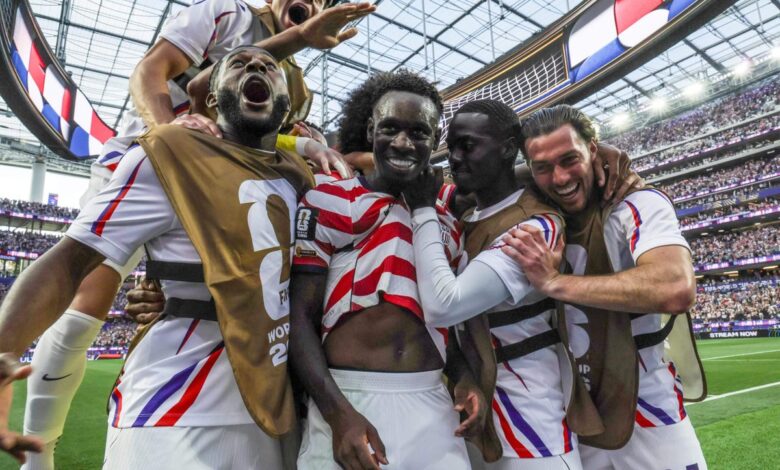
The tournament’s three host countries have helped keep the energy high. Mexico City looked lively for Mexico’s 2-0 win over South Africa, Canada celebrated a late equaliser against Bosnia and Herzegovina, and the United States followed with a sharp 4-1 win over Paraguay that featured slick passing and several excellent goals.
There have been very good matches without a single truly terrible one, which is not always the case in the opening phase of a major tournament. Even Ghana’s 1-0 win over Panama finished with a stoppage-time winner, keeping the tension alive until the end.
Underdogs have not just survived
Some of the most striking results have come from teams expected to struggle. New Zealand and Iran played out a 2-2 draw that was energetic, end-to-end and full of quality, even though neither side is expected to go deep into the competition.
Cape Verde’s goalless draw with European champions Spain may have been the tournament’s most surprising result so far. Elsewhere, Qatar earned a late equaliser against Switzerland, Iraq briefly made it 1-1 against Norway, Jordan equalised against Austria, DR Congo levelled against Portugal and Uzbekistan scored against Colombia.
The stars have shown up too
The tournament has not been defined only by competitive balance. Kylian Mbappe scored twice on Tuesday, while Lionel Messi followed with a hat-trick that underlined his continuing status as a world-class match-winner.
Erling Haaland also scored twice for Norway, adding another headline performance to a first week that has already featured several major individual displays. As www.nytimes.com noted, football fans often remember the late stages most, but the early evidence here has been unusually strong.
A fast start that changes the mood
This tournament was expected to take time to find its rhythm because of the expanded format, the climate concerns and the possibility of empty seats affecting atmosphere. So far, those worries have not defined the action on the pitch.
That does not decide how the World Cup will be remembered, since the final and the eventual winners still shape the lasting verdict. But the opening stretch has already done something important: it has made this feel like a World Cup worth watching from the first whistle, not one to leave for later.