


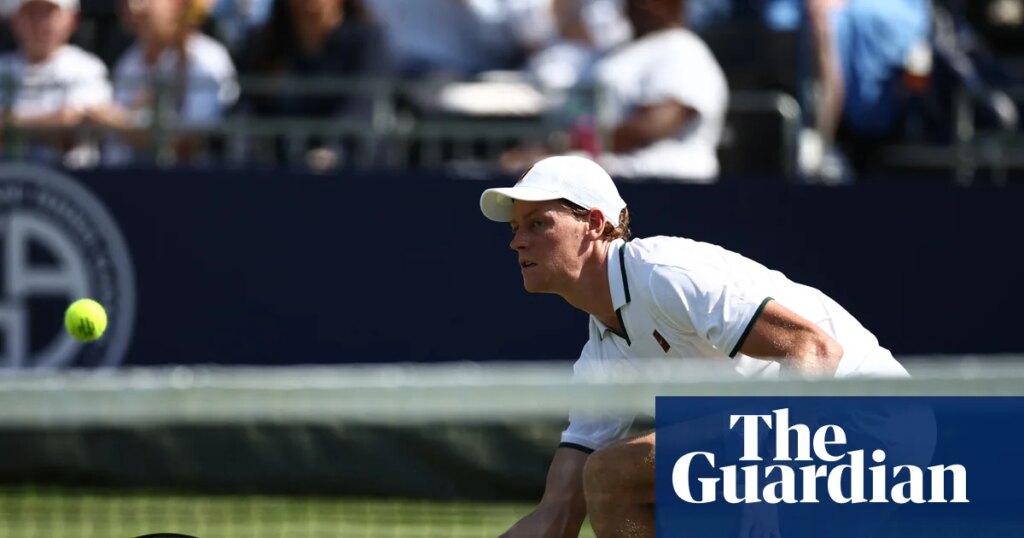
The biggest names in men’s and women’s tennis are set to keep pressing their case at Wimbledon, extending their protest over the share of grand slam revenues. The move means the dispute over prize money is no longer confined to one media day and will run through the first week of the championships.
The players first sharpened their campaign at the French Open, where they limited pre-tournament media duties to 15 minutes. At Wimbledon, that approach will continue after the tournament begins, with post-match media obligations also being reduced during the event.
Why the players are pushing back
The dispute began after the top players on the men’s and women’s tours sent a joint letter to the organisers of each grand slam tournament. Their demands include a greater percentage of prize money revenues, contributions to player welfare funds and the creation of a grand slam player committee.
According to the player group, Wimbledon’s revenue share stands at 14.4%, while the target they are pushing for is 16%. After a long period of little movement, that gap has become the central issue in the latest round of tension.
Wimbledon’s response so far
The All England Club had tried to avoid a direct confrontation and met player representatives during the French Open. It then announced a record 20% increase in prize money for this year’s championships, taking the total purse to £64.2m.
The player group acknowledged the size of the increase, but said it still fell short of the £71m figure they had sought. That response has left the dispute unresolved as the tournament gets under way.
At Wimbledon, the player representatives have now pledged to extend the protest from Saturday’s pre-tournament media day through the first week of the championships, from Monday 29 June to 5 July.
www.theguardian.com reported that the protest is a continuation of the stance taken in Paris, where players chose not to engage with broadcast rights holders during their media day. Those broadcasters pay significant sums to the tournament, which made the boycott a pointed form of pressure.