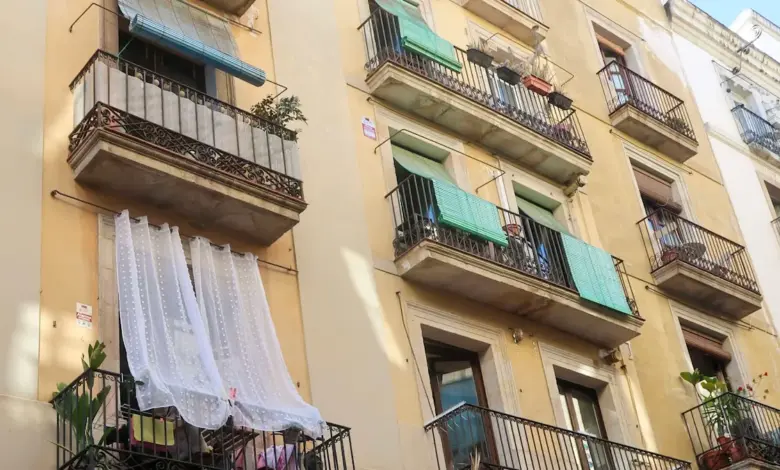
Amsterdam officials are urging residents to try a surprisingly low-tech way to keep homes cooler during the heatwave: hang curtains, blinds, or even bedsheets on the outside of windows.
The advice targets homes built to hold in warmth during cold winters, a design that can become a problem as summers grow hotter and indoor spaces become harder to keep livable.
Why Amsterdam is pushing exterior shading
According to Eline Coolen, the heat coordinator at Amsterdam’s public health institute, many Dutch and northern European homes have very large windows that let in too much sun. She said those buildings were long designed with winter in mind, when extra sunlight and warmth were welcome.
That same setup now leaves homes more exposed during high temperatures, and officials warn the risk goes beyond discomfort. Hotter summers can increase health dangers, including the risk of death.
| Measure | How It Helps | Notes |
|---|---|---|
| Exterior curtains or sheets | Block sunlight before it heats the glass | Cheap first step for homes |
| Blinds or awnings | Reduce heat entering through windows | Works as exterior shading |
| Outdoor screens, reflective roofs, trees, green facades | Offer longer-term cooling support | More permanent upgrades |
Why the tactic matters now
With the sun kept off the glass, less heat gets inside the home, making rooms more bearable during a heatwave. The approach can also reduce reliance on fans or air conditioning, which may lower electricity bills.
Bert Blocken, who teaches mechanical engineering at Heriot-Watt University, told www.yahoo.com that the science is straightforward: “A huge body of research showed the best way to keep a building cool was simply to keep out the sun,” he said.
A Vereniging Eigen Huis survey found that 23% of respondents said their homes became too hot during a heatwave, even though most had already tried to cool them down. The issue also has an economic side, since restless sleep can affect productivity the next day.
Sandra Phlippen, who leads climate strategy at ABN Amro, said, “One night of sleep loss [costs] close to €200 [£173].”
What the wider response looks like
The Netherlands has already activated its national heatwave plan, with special attention on older adults and other vulnerable people. Werner Hagens, who coordinates the plan, said newer research suggests simple awareness campaigns can reduce deaths during heatwaves.
Amsterdam is also looking beyond windows. Researchers and planners are exploring fake trees, pergolas, greenery, and even shadow art to create shade in streets and public spaces while keeping those areas visually appealing.
Jeroen Kluck, who studies climate-resilient cities at the Amsterdam University of Applied Sciences, told www.yahoo.com: “If you make shadow, with a nice place to sit underneath and plants that can survive a bit of drought, it all helps.”
Coolen warned that the city must take heat more seriously, saying, “But every year in Amsterdam alone, 110 people die because of the heat,” and adding that the number could rise to as many as 600 in the future without serious measures.
For officials, the message is clear: in a city built for winter, shade is becoming a basic form of protection.