
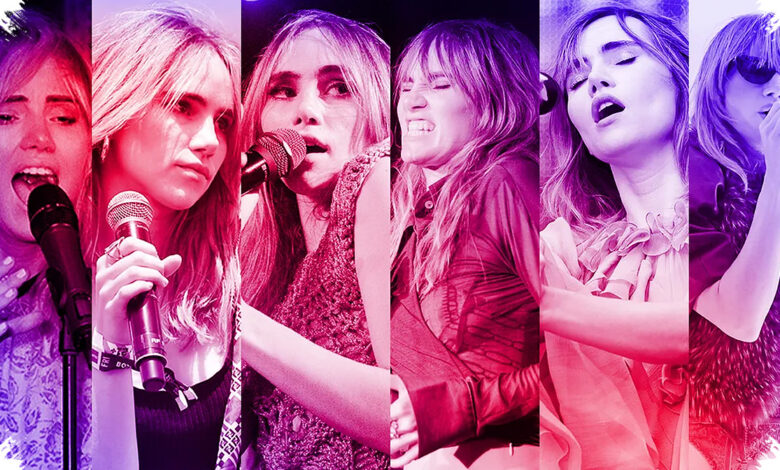
Suki Waterhouse is heading into a bigger chapter of her music career with Loveland, an album built around the same dreamy, slightly off-kilter sound she has been refining for years. The project arrives alongside her largest tour yet, including a stop at Radio City Music Hall, and it comes with a reminder that her musical path has always been more experimental than polished.
In a new episode of Vulture’s “Music History,” Waterhouse reflects on the songs and performances that shaped that path, from pop childhood obsessions to the live shows that made her want to step onstage herself. The result is a map of how Britney Spears, Missy Elliott, Liz Phair, and others helped form the artist she is now.
Early Pop Fixations That Changed Everything
Waterhouse says her first major musical crush came from Britney Spears, whose records sparked what she describes as a personal renaissance in her bedroom. She remembers bright-pink walls, posters everywhere, and a sudden pull toward the pop world that started when she was around 11 or 12.
She also points to Avril Lavigne as a major awakening, with Alanis Morissette becoming the first “rock woman” album she vividly remembers loving. Another early obsession was the Beautiful South’s “Don’t Marry Her,” which she and her mother would sing over loudly because of the song’s famous f-bomb.
The Songs That Made Her Feel Seen
Waterhouse’s childhood songwriting with her friend Molly included a Harry Potter song, but her tastes quickly widened into sharper, stranger territory. She credits Meredith Brooks’ “Bitch” and Liz Phair’s “Why Can’t I?” with helping her understand that pop music could hold contradictory feelings and still feel completely natural.
She was also struck by Of Montreal’s “Gallery Piece,” which she describes as the first song that blew her mind with its deadpan humor and twisted romance. That fascination continued with Karen O’s Crush Songs, plus the work of Marianne Faithfull, Nico, and Ani DiFranco, artists she says made her feel allowed to be extreme and emotionally intense.
Missy Elliott, Live Performance, and Stage Presence
One of Waterhouse’s biggest live music memories is seeing Missy Elliott at the Hammersmith Apollo when she was about 12. She recalls the room feeling transformed, with a packed crowd, weed smoke in the air, and an unmatched sense of gravitas from the performer onstage.
That experience, she says, was the first time she saw someone take the stage and fully express themselves in that way. It helped define what performance could mean, and it remains part of the standard she measures herself against today.
| Memory | Artist | Why It Stood Out |
|---|---|---|
| Childhood bedroom era | Britney Spears | Ignited her pop obsession and a personal renaissance |
| First major concert | Missy Elliott | Showed her the power of presence and stage gravitas |
| Songwriting influence | Liz Phair, Meredith Brooks, Of Montreal | Opened up space for emotional contradiction and dark humor |
Finding Her Own Sound Through Breakups and Scrappy Videos
Waterhouse says “Brutally” was the song that made her feel most connected to her own writing, especially after a devastating breakup. Produced by Blue May, it became the track she felt proud of in a way that let an unspoken feeling move from the inside to the outside.
Her videos have followed the same scrappy instinct. She describes early clips like “Good Looking” as self-funded and improvised, including a shoot at the Bowery Hotel with friends, borrowed costumes, and no formal equipment.
Even later videos kept that loose energy, including “Dream Woman” with her sisters in New York. Waterhouse says she prefers music videos that feel free to roam and leave room for accidents, even when that approach leads to a cut hand, stitches, and a hospital scene that ended up in the footage.
Big Stages, Nerves, and the Learning Curve
Her early live milestones came quickly. BottleRock was one of her first shows with a large crowd, and she says it happened while she was also filming Daisy Jones & the Six, with intense rehearsals and a sense that she was stepping into something much bigger than before.
She remembers that performance as unpolished but important, the kind of “good nervous” experience that made her feel she belonged onstage. A later Jimmy Kimmel appearance brought its own pressure, especially because it happened at the last minute and was filmed quickly for television.
Waterhouse says she still studies performers like Taylor Swift, whose stadium command and stillness she admires. She also notes that big spaces can be frightening, including a recent stadium sound check and a surprise entrance moment that left her briefly forgetting the first words to “Moves.”
Her reflections also stretch into personal territory, including a recording made only weeks after giving birth that she says captured a period of sleep deprivation and confusion. She says the track never made the record, but it still makes her laugh when she hears it back.
For Waterhouse, that mix of vulnerability, experimentation, and performance instinct is the thread tying her career together. It is the same quality now shaping Loveland and the biggest tour she has done so far.