


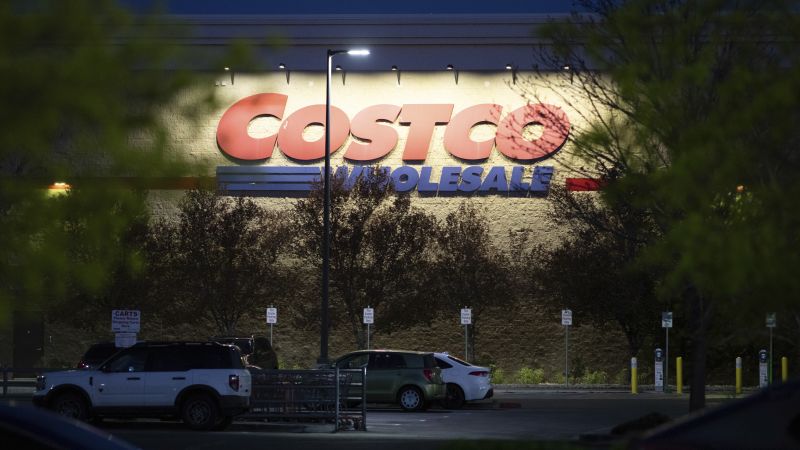
Costco has filed a lawsuit against the US government to secure refunds on tariffs if the Supreme Court invalidates President Donald Trump’s authority to impose these duties. The company’s complaint was submitted to the US Court of International Trade in Manhattan last Friday.
The lawsuit challenges the use of the International Emergency Economic Powers Act, which Trump utilized to levy tariffs. Costco argues this law leaves uncertainty about whether companies can recover tariffs they may have wrongfully paid.
Headquartered in Issaquah, Washington, Costco is among the largest retailers involved in similar lawsuits. The company reported $275.2 billion in revenue for its fiscal year ending August 31, underscoring the scale of its operations and the stakes involved.
Costco claims that US Customs and Border Protection denied its request for extended time to finalize tariff calculations. This refusal threatens the company’s ability to obtain full refunds even if the Supreme Court rules against the administration’s tariff powers.
Other major companies also seeking to protect potential tariff refunds include Bumble Bee Foods, EssilorLuxottica, Kawasaki Motors, Revlon, and Yokohama Tire. These lawsuits collectively reflect widespread concern over the legality of the tariffs imposed under the emergency powers law.
The Supreme Court heard oral arguments on the issue in early November, during which justices from both political perspectives expressed skepticism about the government’s use of the 1977 law. The Court expedited the case but has yet to announce a decision date.
In response to the tariffs, Costco has taken strategic steps such as reducing its supplier base, expanding local sourcing, and increasing reliance on its private Kirkland brand. These measures aim to mitigate the financial impact while awaiting the Court’s final ruling.
The outcome of this case will have significant implications for businesses subject to tariffs and their ability to recover disputed payments. Costco’s legal action highlights the broader uncertainty faced by companies navigating changes in trade policy enforced under emergency powers.
Read more at: www.cnn.com