Nashville Electric Service (NES) faces growing scrutiny over allegations that it turned down offers of help from union linemen during a recent severe winter storm. More than 100,000 customers remain without power amid freezing temperatures, raising concerns about the adequacy of restoration efforts.
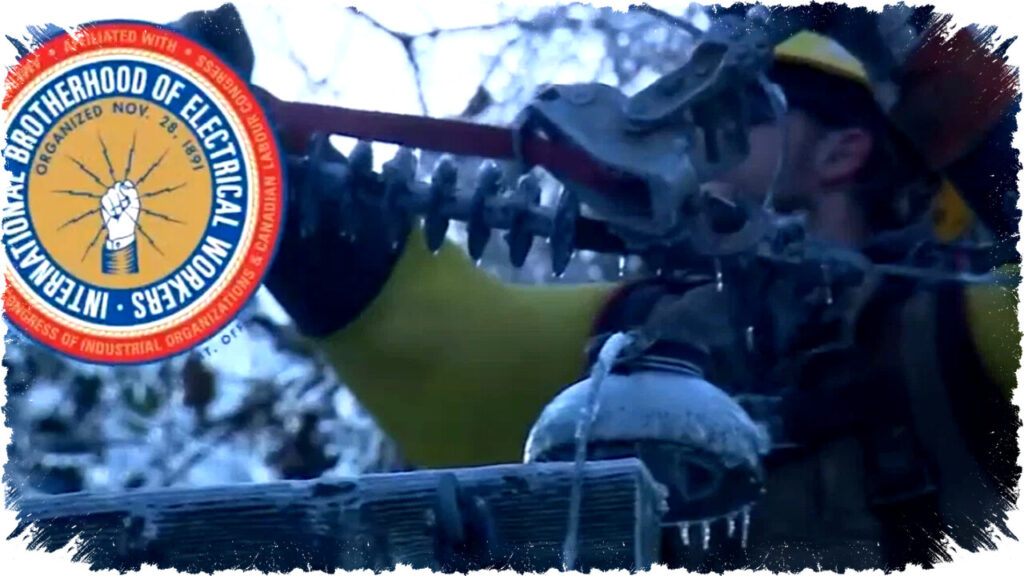
Union members of the International Brotherhood of Electrical Workers (IBEW) claim NES rejected assistance from union crews, potentially favoring less costly contractors instead. One IBEW member stated that multiple offers to send additional linemen were repeatedly declined with the explanation that NES “is full and doesn’t need help.”
Discrepancies in Workforce Deployment
Data shows NES began storm response with fewer than 300 linemen, significantly less than neighboring Middle Tennessee Electric, which deployed approximately 150 more linemen despite having fewer outages. As restoration progressed, NES reported increasing its workforce to around 700 linemen in the field. However, union representatives argue this number remains insufficient to tackle the scale of the outages, with one lineman estimating a minimum of 2,000 workers would be necessary.
Another IBEW member highlighted the availability of thousands of union linemen initially staged in North Carolina, a region less affected by the storm. Many were sent home or redirected elsewhere rather than assisting in Nashville, an area severely affected and within close proximity. This lineman is currently working with Middle Tennessee Electric, which has far fewer outages.
Statements from NES and Union Officials
When questioned, NES publicly denied refusing outside help. Brent Baker, an NES representative, said the utility has engaged crews through mutual aid agreements from multiple states, including Florida, Maryland, Kentucky, and Ohio. He emphasized bringing on crews with established partnerships rather than ad hoc additions, framing the approach as part of a planned scaling-up of workforce resources.
Despite these assurances, NES has not directly responded to inquiries about whether any union crews were explicitly turned away or why such decisions may have been made. Meanwhile, union representatives, including a national IBEW spokesperson, acknowledged that union personnel are on site or en route but were unable to confirm exact numbers.
Concerns from the Community
Community members express alarm over the pace of power restoration as temperatures remain dangerously low. A petition initiated by the Nashville People Power Committee urges NES to hire every available lineman regardless of union affiliation. Cecilia Prado of the committee warned, “People are already in temperatures in the 30s, and it’s going to be single digits again. People are going to die.”
Social media reports also echo claims that NES refused offers of assistance from both union and contractor crews. Requests for comment from NES Board members have not been returned as of this report.
Analysis of Restoration Challenges
The divergence between NES’s official workforce numbers and union accounts raises questions about cost considerations and labor negotiations affecting emergency resource allocation. Industry experts note that utility companies often balance contractual obligations, union agreements, and budget constraints, especially during large-scale crises.
Effective outage management typically benefits from mobilizing the maximum available workforce to reduce the risk of prolonged power loss, particularly during hazardous weather conditions. The situation in Nashville highlights the practical challenges utilities face in aligning resources quickly while managing financial and operational partnerships.
This ongoing situation remains under close observation as stakeholders debate the best strategies to restore power and ensure resident safety during critical weather emergencies.
Read more at: fox17.com