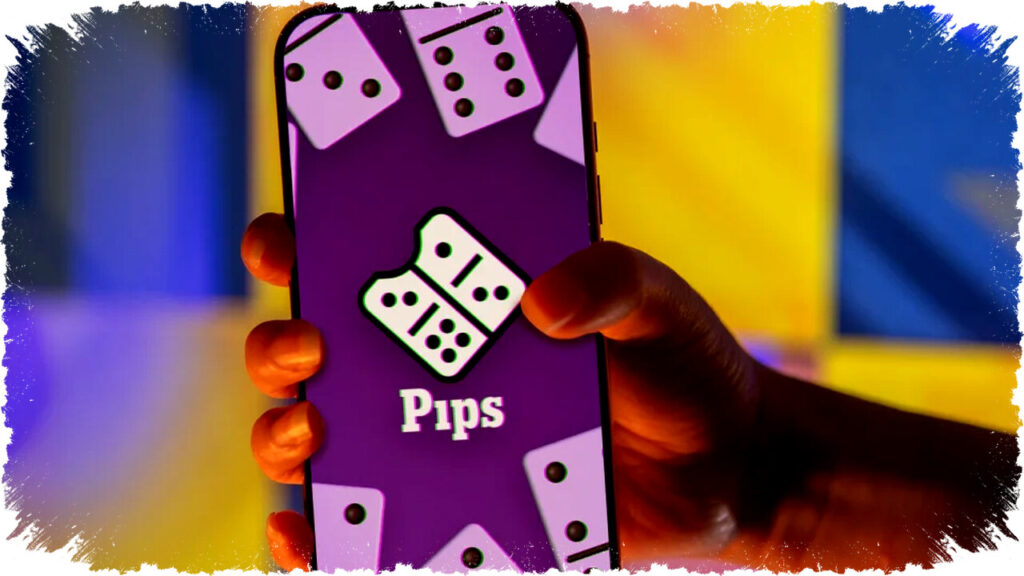
The New York Times’ Pips puzzle for February 23, 2026, challenges players with a unique twist on traditional domino gameplay. Released in August 2025, Pips combines tile placement with color-coded numerical conditions, making it a fresh and engaging single-player puzzle experience.
Players must place domino-like tiles vertically or horizontally to satisfy specific rules tied to colored areas on the board. Each space may require the pips on tile halves to add up to a certain number, be equal or not equal, or meet greater or less than conditions. Unlike standard dominoes, matching numbers on touching tiles is not always necessary, adding complexity to the puzzle.
Understanding Pips’ Basic Rules
Pips requires careful attention to the colored spaces that impose different constraints. Common conditions include:
- Number: Sum of all pips in that area must match a specified number.
- Equal: All domino halves in the space show the same number of pips.
- Not Equal: Each domino half in the space must have unique pip counts.
- Less Than: Sum of pips on each domino half is less than the number provided.
- Greater Than: Sum of pips exceeds the indicated number.
Spaces without color coding impose no restrictions and allow greater freedom when placing tiles.
Hints and Answers for Easy Difficulty
For the easiest level on this day, several spaces require sums of six or four pips. These configurations include:
- A horizontal 1-1 tile followed by a horizontal 6-5 tile in a space summing to 6.
- Another number 6 space solved by a single horizontal 6-5 tile.
- A vertical 6-4 tile paired with a horizontal 2-0 tile to satisfy a 6-sum condition.
- A horizontal 2-0 tile in a 6-sum area.
- A horizontal 0-4 tile fulfilling a 4-sum requirement.
- Equal condition with zero pips met by horizontal tiles 0-4 and 2-0.
These placements highlight the importance of tile orientation and strategic positioning in fulfilling numeric constraints.
Medium Difficulty Solutions
At the medium level, solutions become progressively intricate. The following are key placements:
- A horizontal 6-1 tile where the sum should be seven.
- A vertical 3-2 tile for the condition "greater than two."
- Combinations such as horizontal 0-2 with vertical 5-4 to satisfy sum-of-seven areas.
- A complex cluster involving vertical 3-2, vertical 5-4, and horizontal 1-0 tiles to meet another seven-sum space.
Medium puzzles test not only arithmetic but also spatial arrangement skills as tiles must accommodate multiple overlapping restrictions.
Hard Difficulty Guidance
Advanced players face multiple colored spaces with larger sum requirements and intricate conditions. Notable solutions include:
- Vertical 2-2 tile for a purple space summing to four.
- Horizontal 0-5 combined with horizontal 6-2 to total eleven.
- A cluster of vertical 1-1, 0-1, and 1-2 tiles fulfilling a red space requiring sum four.
- Larger sums such as seventeen resolved by horizontal 6-6 with vertical 5-2 tiles.
- Other areas demand precise vertical or horizontal placement of tiles like 0-4, 1-2, 5-2, 0-6, 6-3, and 3-3, showcasing the puzzle’s layered complexity.
These hints reflect the layered logic necessary to conquer Pips at its most challenging levels.
Utilizing these insights enhances the player’s ability to navigate Pips puzzles more effectively. As Pips continues to grow in popularity, mastery of these rules and strategies will be essential for daily success. For enthusiasts seeking more puzzle variety, additional games such as Mahjong, Sudoku, and crosswords are accessible through Mashable’s dedicated games hub.
Read more at: mashable.com