The Middle East faces intensified conflict as Iran targets multiple Gulf countries following U.S. and Israeli strikes on the Islamic Republic. Tensions have escalated into what Qatari officials describe as a regional war, impacting civilian life and regional stability profoundly.
Iran’s aggression includes attacks on ships and explicit threats to banks, compounding economic and security concerns across Gulf states. This surge in hostility follows the U.S. and Israel launching an assault on Iran, significantly widening the scope of confrontation.
Escalation Into Regional War
A senior official from Qatar’s Ministry of Foreign Affairs emphasized that the war feared for years has arrived. Dr. Majed Al-Ansari stated the conflict, sparked initially by unrest in Syria and later Gaza and Lebanon, has expanded uncontrollably. He asserted, "Escalation left unchecked will result in a regional war," warning that this scenario is now reality.
Iran has reportedly targeted seven Gulf nations, intensifying a conflict that many countries hoped to avoid. Al-Ansari described unprecedented civilian hardships, with missile alerts recurring nightly, and interceptors frequently visible overhead.
Impact on Daily Life and Security
The conflict’s civilian toll is rising, with communities enduring constant security threats. Residents in Qatar, as per Al-Ansari, have been repeatedly awakened by missile warnings, creating an atmosphere of ongoing fear. "I never expected my daughters to face almost constant missile threats," he remarked.
This situation reflects a broader destabilization in the Gulf region, where governments grapple with balancing military responses and protecting their populations amid growing cross-border hostilities.
U.S. Military Presence and Casualties
As Iran escalates attacks, the toll on U.S. personnel in the region has become increasingly visible. U.S. forces face direct threats, complicating America’s strategic position. Washington has vowed to end the conflict swiftly while managing the security implications for its military deployments.
The U.S. administration’s commitment to concluding hostilities aligns with efforts to reduce further casualties and restore stability. However, ongoing Iranian threats to banking systems and maritime traffic pose additional challenges that require multifaceted responses.
Strategic and Economic Repercussions
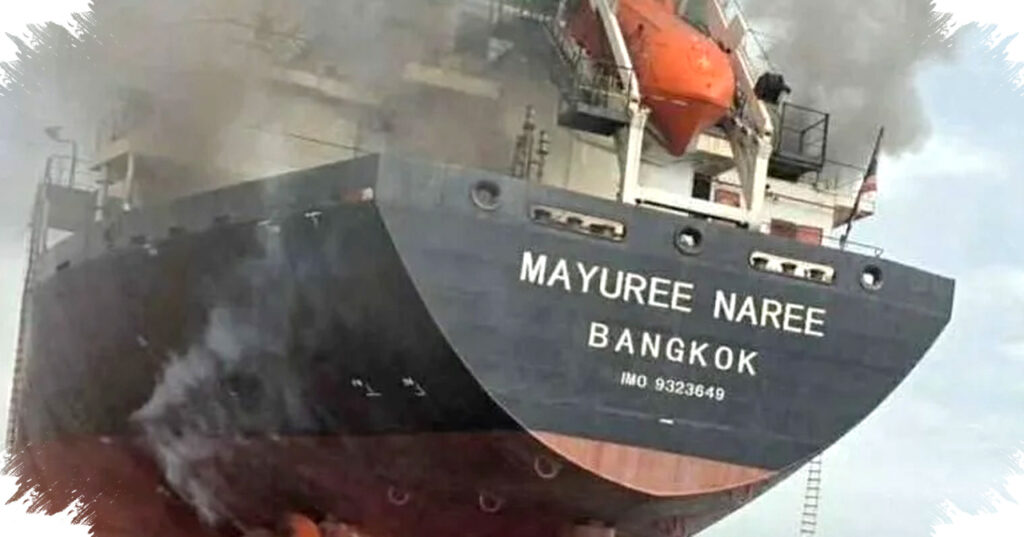
Iran’s targeting of ships disrupts critical shipping lanes vital for global energy supplies, raising international concerns about broader economic impacts. Simultaneously, threats against financial institutions threaten regional economies already strained by conflict and sanctions.
These actions risk drawing more countries into the conflict due to interconnected economic and security interests. Gulf nations face difficult choices amid pressures to respond firmly without igniting broader warfare.
Summary of Key Developments
- Iran has conducted attacks against seven Gulf states following U.S. and Israeli strikes.
- Qatar and other Gulf countries experience daily missile alerts and security threats.
- The conflict has escalated into a regional war as predicted by local officials.
- U.S. military forces in the region sustain casualties and face increased risks.
- Economic targets include ships and banking systems, worsening regional instability.
With ongoing hostility destabilizing the Middle East, diplomatic and military efforts must address both immediate security threats and long-term regional peace. The evolving situation demands close monitoring as the conflict’s impact deepens on civilian populations, regional alliances, and global economic networks.
Read more at: www.cbsnews.com