


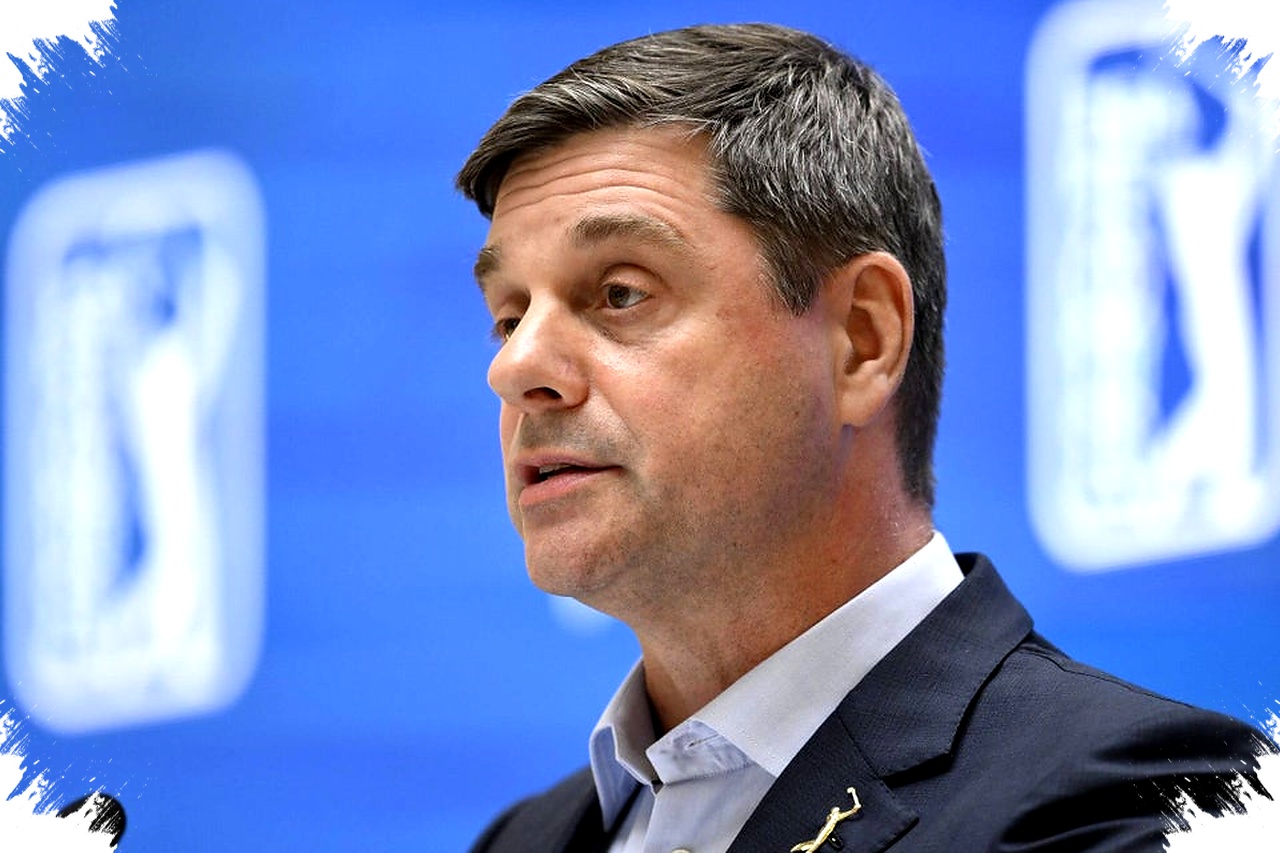
Brian Rolapp, the new CEO of the PGA Tour, has introduced an ambitious vision to reshape the Tour schedule. His plan proposes a streamlined calendar with fewer events, bigger fields, and a clearer hierarchy of competition.
Rolapp aims to reduce the current 34-week schedule with weekly tournaments to approximately 16 core regular-season events. These would be complemented by the major championships, the Players Championship, and revamped playoffs. The goal is to create a more focused and meritocratic Tour with enhanced fan engagement.
A Two-Tier System: First Track and Second Track
Central to Rolapp’s vision is a two-tier structure. The "first track" will feature the top-performing players competing in larger-field events, each roughly hosting 120 players, compared to the current 70-player, invitation-style fields. This aims to increase competition and clarity for fans and sponsors.
The "second track" would serve as an intermediary level between the PGA Tour and the Korn Ferry Tour. It will include players ranked beyond the top tier and offer opportunities for promotion and relegation based on performance. Rolapp has indicated a system similar to promotion and relegation in English football.
This dynamic structure ensures every event carries significance, with roster changes forthcoming each season. It also prevents smaller events from being forced to compete for top stars, allowing them to develop as meaningful tournaments for emerging or journeyman players.
Implications for the PGA Tour Schedule
The proposed schedule would debut in late January, with the core season running through roughly 16 premiere events. Currently, the Tour comprises 45 events between January and November, so many existing tournaments may shift to the second tier. These second-tier tournaments would likely avoid overlapping dates with first-tier events to maximize exposure and viewer engagement.
Further, the bigger, expanded first-tier events aim to minimize weekly uncertainty for fans and sponsors alike. Viewers would know top players would consistently appear each week, while sponsors could better anticipate the product they are backing.
Playoff and Event Innovations
Rolapp has also confirmed plans to revamp the FedEx Cup playoffs. Changes could include new formats, locations, and possibly the introduction of match play, which has been previously resisted but remains on the agenda for discussion. The Tour is exploring ways to enhance viewer experience and competitive integrity in postseason play.
Additional efforts include launching events in major American cities currently without Tour stops, such as New York, Chicago, Philadelphia, San Francisco, Washington D.C., and Boston. The season-opening event on the West Coast may also be expanded, hinting at a significant showpiece akin to the WM Phoenix Open.
Balancing Meritocracy and Fan Interest
One of the biggest challenges in Rolapp’s plan is balancing a merit-based approach with the realities of fan interest and television ratings. For example, accommodating popular players like Tiger Woods, who at times may not rank among the top players, raises questions about exemptions versus strict meritocracy.
Rolapp’s openness about introducing a promotion-relegation system signals a shift toward pure competition but leaves unresolved how exceptions will be managed without undermining the integrity of the new structure.
Risks and Future Steps
Unveiling broad strokes without concrete details carries risks, especially since PGA Tour players also hold significant influence over the league’s direction. However, insiders suggest that the core concepts Rolapp presented have strong stakeholder support.
Key decisions and final approval are expected by the June PGA Tour Enterprises board meeting. Between now and then, the Tour leadership will refine schedules, address concerns, and finalize structures for the 2027 season and beyond.
These planned changes could mark the most significant transformation of the PGA Tour schedule in decades, all driven by Rolapp’s vision to create a more competitive, fan-friendly, and commercially sustainable golf ecosystem.