


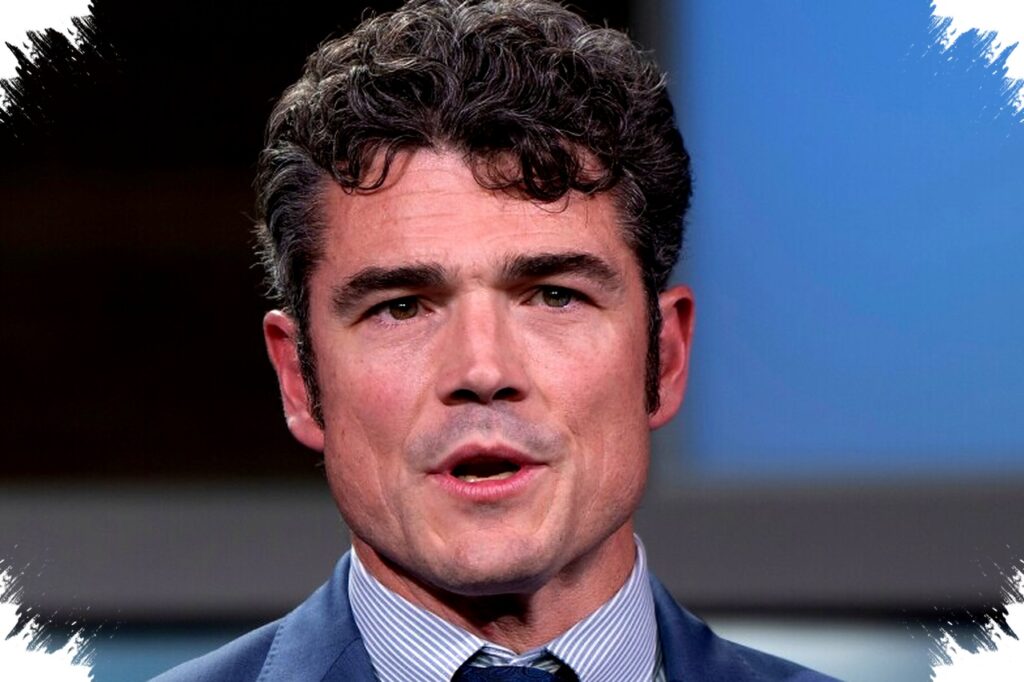
The recent resignation of Joe Kent, a prominent counterterrorism official, marks a significant development in the ongoing Iran conflict. Kent’s departure comes amid intensifying regional tensions and strategic maneuvers that have heightened global concerns.
Kent served as a key figure in U.S. counterterrorism operations related to Iran and its associated militant groups. His resignation raises questions about the future direction of U.S. policy and tactical responses in the region. Observers note that changes in leadership within the counterterrorism framework can affect the pace and nature of ongoing operations.
Killing of Gen. Gholam Reza Soleimani
A major escalation was reported when Israel’s military announced the killing of Gen. Gholam Reza Soleimani in a targeted strike. Soleimani commanded Iran’s paramilitary Basij force, known for its role in suppressing internal dissent. The Israeli military described the Basij under Soleimani as instrumental in violently quelling protests, particularly during the recent widespread demonstrations in Iran.
Iran has yet to officially confirm Soleimani’s death, but the strike signaled a direct confrontation against the Iranian terror infrastructure. The Basij is considered part of the Revolutionary Guard’s armed apparatus, with a history of harsh crackdowns on civilians.
International Sanctions and Human Rights Violations
Soleimani, born in 1965, was sanctioned by the U.S., European Union, and other nations due to his role in using lethal force against protesters and suppressing opposition groups. The EU specifically held him responsible for serious human rights abuses during the November 2019 protests across multiple cities in Iran.
The sanctions imposed reflect broader international condemnation of the Basij’s tactics. Human rights groups have documented numerous incidents of excessive violence and arbitrary arrests linked to the Basij’s operations.
Impact on Iranian Internal Security
The death of Soleimani could destabilize the command structure of the Basij paramilitary force at a critical time. The Basij plays a central role in maintaining regime control by responding decisively to uprisings or civil unrest. Analysts suggest that losing a commander of Soleimani’s stature may weaken the internal enforcement mechanisms that have long sustained the Iranian theocratic regime.
The Basij, alongside other internal security units, has previously been a focus of targeted strikes by both American and Israeli forces. These actions aim to undermine Iran’s capacity to project power internally and externally.
Context of Regional Conflict
The targeted killing of Soleimani fits into a broader pattern of strategic strikes aimed at Iran’s military and political leadership. Since the conflict intensified at the end of February, Israel reportedly eliminated several high-ranking Iranian commanders, including a strike on the 86-year-old Supreme Leader Ayatollah Ali Khamenei.
Such actions are designed to disrupt Iran’s command and control capabilities and weaken its influence across the Middle East. However, they also risk further escalation and complicate diplomatic efforts to reduce tensions.
Joe Kent’s Resignation and Possible Implications
Joe Kent’s decision to step down as a top counterterrorism official occurs at a volatile moment. As someone deeply involved in shaping anti-terror policies related to Iran, his resignation may signal internal disagreements or shifts in strategic priorities. Experts caution that leadership changes can create temporary gaps in coordination or alter how effectively threats are addressed.
The U.S. government has not disclosed official reasons for Kent’s departure. Nonetheless, the timing invites speculation about possible policy recalibration in response to recent military developments and intelligence assessments.
Summary of Key Points
- Joe Kent, a key U.S. counterterrorism official focused on Iran, has resigned.
- Israel killed Gen. Gholam Reza Soleimani, head of Iran’s Basij paramilitary force.
- The Basij is responsible for brutal suppression of protests and is heavily sanctioned internationally.
- Soleimani’s death may disrupt Iranian internal security and regime stability.
- Targeted killings of Iranian military leaders have increased since late February.
- Kent’s resignation could impact future U.S. counterterrorism strategies in the region.
As the situation evolves, monitoring how leadership changes intersect with ground operations remains critical. The dynamic nature of Iran’s internal and external conflicts underscores the complexity facing policymakers and military strategists in managing both security threats and geopolitical risks.