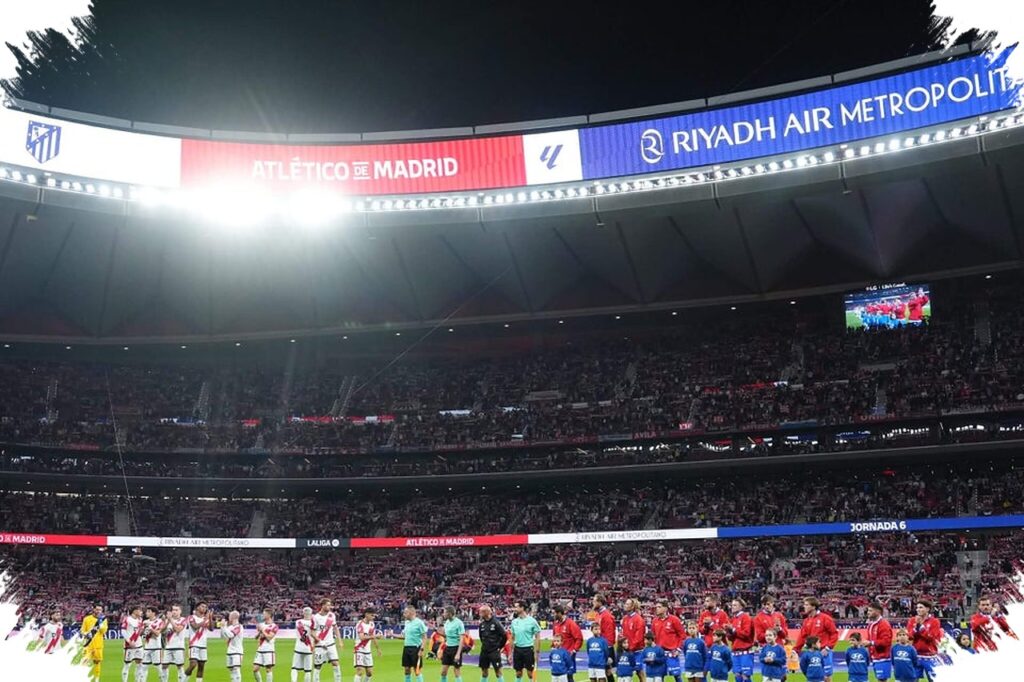
Barcelona’s Champions League trip to Atletico Madrid has become about more than tactics and finishing, because the condition of the Metropolitano pitch is now drawing close attention. The second leg carries a 2-0 aggregate burden for Barcelona, and concerns over surface quality could affect how both teams build play under pressure.
Barcelona staff have already examined the field closely during a training session at the stadium, and reports from people briefed on the situation suggest the club believes the pitch has worsened since the teams last met there in domestic cup action. Atletico sources reject that view and say the grass length is kept within proper standards, while also pointing out that the field meets UEFA Champions League requirements.
Why the pitch matters in this tie
A slick or uneven surface can change the rhythm of a match very quickly, especially when a side needs controlled passing and fast circulation to chase a deficit. At the Metropolitano, that issue has already shaped recent games, with slips and miscontrols becoming part of the conversation around Atletico’s home matches.
The concern is not only theoretical, because several high-profile incidents have already shown how the surface can influence outcomes. In a recent Champions League tie against Tottenham Hotspur, Atletico benefited from two goalkeeper errors and a defensive slip that turned a tight match into a one-sided first leg.
Recent incidents have fueled the debate
The pitch came under fresh scrutiny after Barcelona’s earlier visit to the same stadium in the Copa del Rey semi-final, when a goal sequence started after a pass rolled under Barcelona goalkeeper Joan Garcia’s foot and crossed the line. That match ended in a heavy defeat for Barcelona, which made the condition of the field part of the broader post-match discussion.
Atleti captain Koke also publicly voiced frustration after a home defeat to Real Betis, saying the team was slipping and that the turf was “not good.” Diego Simeone has addressed the issue before and has argued that both teams play on the same surface, which is the standard line often used by clubs when pitch conditions become a talking point.
What UEFA rules say
UEFA regulations place responsibility on the home club to keep the pitch in the best possible condition for play. Article 34 states that clubs must make “every reasonable effort” to ensure the field is suitable, and it also requires facilities such as pitch heating and covers when weather demands it.
The rules also allow UEFA or an appointed third party to inspect the pitch before and during matches if there is doubt about suitability. They further state that watering must stop one hour before kick-off, although the home club may still allow limited watering close to kickoff and during halftime.
Key factors around the Metropolitano pitch
| Issue | What has been reported |
|---|---|
| Surface condition | Barcelona sources believe it is worse than during the earlier cup meeting |
| Atletico’s position | The club says the pitch has improved and meets UEFA standards |
| Weather impact | Heavy rain in Madrid earlier in the year affected the surface |
| Match history | Slips and control errors have influenced recent games at the stadium |
| UEFA oversight | The governing body can inspect the field before and during matches |
Heavy rain in Madrid earlier in the season also affected other clubs in the city, which adds context to the wider pitch debate. Rayo Vallecano even had one home match postponed because of weather-related damage, while Atletico have insisted that the Metropolitano field has recovered and is not a problem for visiting teams.
Barcelona have not been expected to file a formal complaint to UEFA over the pitch, but the issue remains relevant because the visitors need a cleaner, more stable surface for a comeback. With Atletico defending a two-goal lead, even a slightly unpredictable field could influence pressing, passing accuracy, and the timing of both teams’ first touches.