


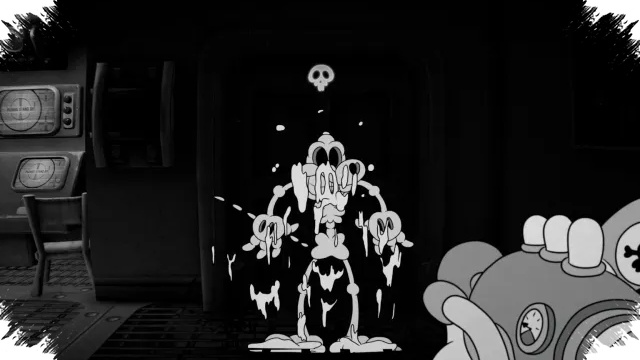
Mouse: P.I. For Hire stands out as a monochrome detective adventure that leans heavily on 1930s cartoon style, jazz scoring, and noir atmosphere. The game follows Jack Pepper, a hardboiled private investigator voiced by Troy Baker, as he navigates Mouseburg and untangles a missing persons case filled with crooked cops, politicians, reporters, and socialites.
The appeal is immediate: the black-and-white rubber hose animation gives every scene a handcrafted look, while the lively soundtrack pushes the mystery forward with rhythm and personality. The result is a game that feels like a love letter to early animation and detective fiction, but with enough modern action to keep the pace moving.
A stylish mystery built around tribute and tone
Mouse: P.I. For Hire uses its setting well, turning Mouseburg into a city where every corner feels suspicious and every character seems to hide something. The writing plays with noir clichés in a smart and humorous way, which helps the story stay engaging across its roughly dozen-hour runtime.
The game does not treat its inspiration as a joke. Instead, it presents itself as a sincere tribute to classic cartoons such as Steamboat Willie, while layering in darker adult themes that give the story more bite.
What the game does well
Its strongest quality is presentation, but the exploration also helps keep the experience lively. Players move through varied locations such as opera houses, swamps, and production studios, each packed with visual gags, collectibles, and hidden areas.
- Unlockable traversal abilities open up new paths and secrets.
- Side quests add more detail to Jack’s relationships with Mouseburg residents.
- A turn-based card game using baseball cards adds a fun optional diversion.
- Boss fights deliver the sharpest gameplay moments and the most inventive challenges.
Those optional activities do more than fill time. They expand the world, reward curiosity, and often provide some of the game’s funniest dialogue.
Where the design feels more limited
Despite the detective theme, the game offers less room for player deduction than the premise suggests. Clue progression is largely automated, with Jack placing evidence on his board and quest markers directing the next step, which keeps the story moving but reduces the sense of solving cases independently.
The combat also divides opinion. The gunplay and movement feel responsive, but many regular enemies fall into repetitive patterns, which can make encounters feel predictable over time.
| Strengths | Weaknesses |
|---|---|
| Distinct black-and-white cartoon visual style | Limited investigative freedom |
| Strong jazz soundtrack | Repetitive enemy designs |
| Clever noir humor | Standard combat encounter structure |
| Inventive boss battles | Less depth than the detective premise suggests |
That imbalance becomes more noticeable in the final stretch, where the action can start to wear thin even as the story remains compelling. Still, the core experience remains memorable because of how confidently it commits to its visual identity and tone.
Why the boss fights stand out
The boss encounters provide the clearest proof that the game can be inventive when it wants to be. One battle forces careful timing across multiple floors and windows, while another uses a graveyard ghost and flashlight mechanics to create a more tactical showdown.
Those fights break up the formula and show how much more dynamic the combat can be when enemy behavior and level design work together. They also give the game a stronger sense of spectacle, which fits the cartoon-inspired presentation well.
Mouse: P.I. For Hire works best as a stylish, affectionate noir adventure that values atmosphere and personality as much as action. Its investigation systems could go deeper, but its music, art direction, and sharp sense of humor make Mouseburg a city worth visiting for players who want a mystery with real visual identity and a strong retro edge.