More people are demanding ultra-light laptops for greater mobility. Flexible work trends push professionals and students to choose devices that balance power and portability. Major brands like Fujitsu, MSI, Apple, HP, ASUS, and LG compete to deliver laptops under one kilogram, boasting materials such as magnesium-lithium and carbon fiber.
Manufacturers aim for a blend of lightness, durability, and advanced performance. Lightweight laptops now come with high-efficiency processors, longer battery life, and full-size connectivity. Below is a structured list of the world’s seven lightest laptops for this year, each built for users with high mobility needs.
1. Fujitsu FMV UX-K3
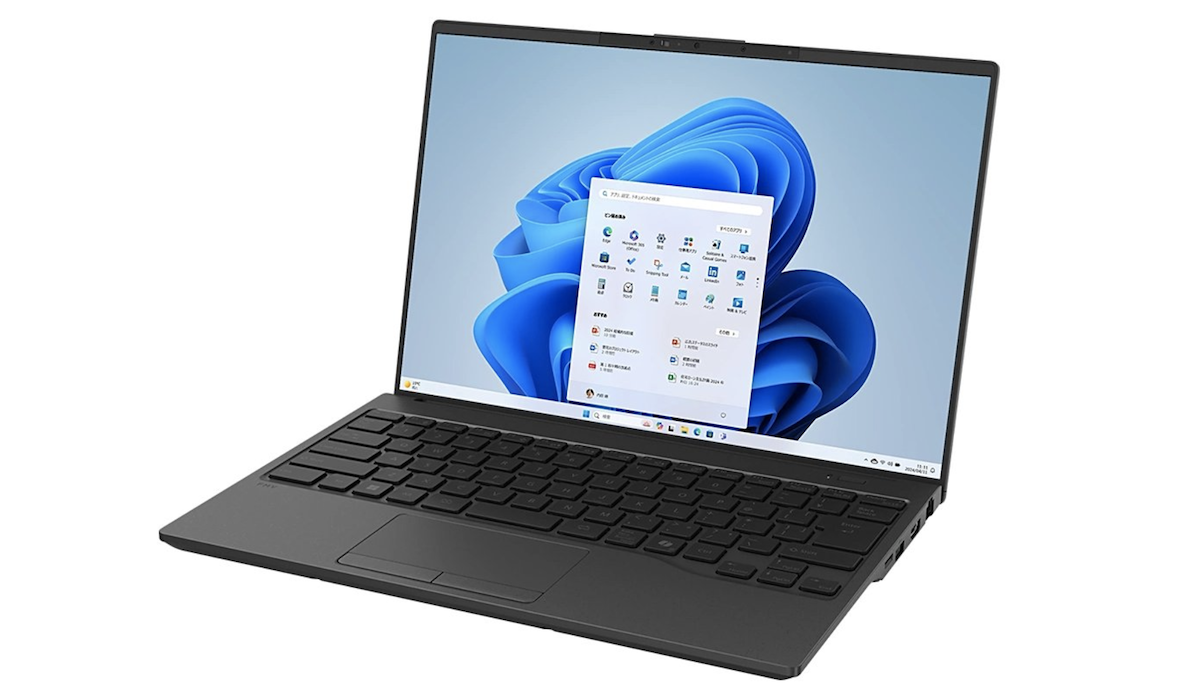
Fujitsu leads the lineup with the FMV UX-K3, officially claimed as the lightest laptop globally. Weighing about 634 grams, it features a 14-inch WUXGA screen that delivers concise visuals for business tasks or lectures. The Intel Core Ultra 7 255U powers this device, supported by 16 GB RAM and a 512 GB SSD for fast performance. The body combines carbon with magnesium-lithium for ultimate strength-to-weight ratio. Users get complete ports, including USB-A, USB-C, HDMI, and microSD, addressing daily connectivity needs. Battery performance reaches seven hours, which is remarkable for a device this compact.
2. MSI Prestige 13 AI+ Evo
MSI blends a sharp OLED display with a lightweight build for the Prestige 13 AI+ Evo. This laptop tips the scales at just 0.99 kilograms and features a vibrant 13.3-inch 2.8K OLED panel. Powered by Intel Core Ultra 7 258V, it carries a robust 32 GB RAM and 1 TB SSD, ensuring ample power for multitasking. The design is sleek and ergonomic, catering to professionals who need to work efficiently anywhere. Its keyboard is comfortable for prolonged use, but this model is tailored for productivity over graphics-intensive projects.
3. Apple MacBook Air 13 M4
Apple stays in the competition with the MacBook Air 13 M4, appreciated for efficient use of Apple silicon. Weighing in at 1.24 kilograms, this device is slightly heavier than its Windows rivals but excels in performance. The MacBook Air utilizes the 3-nanometer Apple M4 chip and presents a crisp Retina 13.6-inch display. Its design is slim and elegant, appealing especially to creative and mobile professionals. The battery lasts up to 18 hours, allowing worry-free work on the go.
4. HP EliteBook Ultra G1i 14
HP targets business users through the EliteBook Ultra G1i 14, combining a thickness of only 12 millimeters with a weight of 1.1 kilograms. It offers a 14-inch OLED display and gets its performance from the Intel Lunar Lake processor. Build quality is solid, and the security features are tailored for enterprise use. Despite the larger screen making it marginally heavier, this laptop promises reliable daily usage for executives and professionals.
5. HP EliteBook Ultra G1q 14
The HP EliteBook Ultra G1q 14 introduces Snapdragon X Elite for enhanced AI capabilities and power efficiency. This version weighs about 1.05 kilograms and stands out with long battery life and cutting-edge ARM architecture. It’s optimized for sustained mobile productivity, especially with extended travel or meetings. However, some x86-based apps may require workarounds due to system differences.
6. ASUS Zenbook S 13 OLED (UX5304)
ASUS delivers the Zenbook S 13 OLED (UX5304), which prioritizes sustainability with recycled materials. Weighing just 0.99 kilograms, it features a 13.3-inch 2.8K OLED display for rich viewing experiences. The laptop runs on Intel Core Ultra 7 and provides up to 13 hours of battery life, supporting both portability and endurance. While port selection is modest, it remains adequate for daily office or academic work.
7. LG Gram 14
The LG Gram 14 series maintains its global reputation as an ultralight contender. This device weighs 0.999 kilograms and comes with a 14-inch WQXGA screen at 2560×1600 resolution. The Intel Core Ultra 7 155H ensures fast and stable performance. It’s equipped with a robust battery that lasts up to 20 hours, addressing long hours away from power sources. Users benefit from a wide range of ports and an understated yet sturdy design, making it a consistent favorite for travelers.
At a Glance: The Seven Lightest Laptops (Weight in Kilograms)
| No | Model | Weight (Kg) | Screen | Chipset / CPU | Max Battery Life (Hours) |
|---|---|---|---|---|---|
| 1 | Fujitsu FMV UX-K3 | 0.634 | 14" WUXGA | Intel Core Ultra 7 255U | 7 |
| 2 | MSI Prestige 13 AI+ Evo | 0.99 | 13.3" 2.8K OLED | Intel Core Ultra 7 258V | – |
| 3 | Apple MacBook Air 13 M4 | 1.24 | 13.6" Retina | Apple M4 (3nm) | 18 |
| 4 | HP EliteBook Ultra G1i 14 | 1.1 | 14" OLED | Intel Lunar Lake | – |
| 5 | HP EliteBook Ultra G1q 14 | 1.05 | 14" | Snapdragon X Elite | – |
| 6 | ASUS Zenbook S 13 OLED | 0.99 | 13.3" 2.8K OLED | Intel Core Ultra 7 | 13 |
| 7 | LG Gram 14 | 0.999 | 14" WQXGA | Intel Core Ultra 7 155H | 20 |
Tips for Selecting the Best Lightweight Laptop
Choosing the right lightweight laptop means looking at more than just the primary weight.
- Consider the total load with the adapter included. Lightweight models may have heavier chargers, affecting practical mobility.
- Check the chassis material. Magnesium and carbon are lighter than aluminum, offering durability without extra weight.
- Prioritize battery and port options. Ensure the device meets daily demands for connectivity and endurance, not just weight.
- Confirm official warranty support. Some premium models are sold via import channels, which may limit after-sales service.
These seven laptops set a new standard for balancing ultra-light design with dependable performance. Professionals and students benefit from devices that offer maximum portability, peerless endurance, and seamless productivity. Each model brings innovation in materials, battery management, and processing efficiency, meeting the needs of users who travel or move frequently. Reliable data from UltrabookReview and RTINGS.com confirm these laptops’ credentials as the world’s lightest, empowering users to choose according to their work habits and preference for ongoing mobility.
-

-
-

-