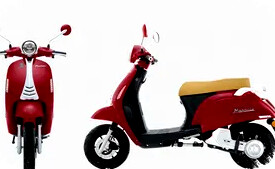
Electric motorcycles are gaining popularity among online motorcycle taxi drivers due to their cost-efficiency and ease of maintenance. In 2026, advances in battery technology have resulted in electric motorcycles with longer range, faster charging, and user-friendly features tailored for daily heavy use.
Riders rely on vehicles that can endure long working hours while minimizing operational costs. Electric motorcycles excel by consuming significantly less energy compared to traditional gasoline-powered models, thereby offering a more economical option for daily commuting and order delivery. This trend is especially prominent in urban areas where short to medium trips are common.
Cost Efficiency and Maintenance Benefits
The running cost of electric motorcycles is notably lower, as electricity charging costs only represent a small fraction of what would be spent on fuel. Unlike conventional motorcycles that require frequent oil changes and complex mechanical servicing, electric models have fewer moving parts. This simplicity translates to reduced downtime and maintenance expenses, allowing drivers to maximize their working hours and income.
Moreover, current infrastructure improvements support electric vehicle use more seamlessly. Urban centers in particular have expanded access to battery swapping stations and charging points, facilitating quick replenishment of power during busy shifts. These developments enhance the practical feasibility of electric motorcycles as daily workhorses.
Recommended Electric Motorcycles for Ride-Hailing Drivers
Several electric motorcycle models stand out for their durability and efficiency, making them top choices for online drivers. Here are some key recommendations that balance performance, cost, and practical features:
Model A – Known for its robust battery life supporting extended trips without frequent recharging. It comes with smart battery management and a lightweight frame that enhances maneuverability in congested traffic.
Model B – Features quick charging capabilities and a reliable motor that delivers consistent power all day. Its ergonomics cater to driver comfort during prolonged use.
- Model C – Offers integrated digital displays providing vital information such as battery status and estimated range. It also boasts economical energy consumption and lower overall ownership costs.
These models are designed to address the core needs of ride-hailing drivers: endurance, affordability, and ease of use. Operators should consider local availability and after-sales support when selecting a model.
Environmental and Economic Impact
Switching to electric motorcycles supports environmental sustainability by reducing carbon emissions and air pollution in heavily trafficked urban areas. From an economic standpoint, decreased fuel dependence helps drivers buffer against fluctuating gasoline prices, stabilizing their operating expenses.
Governments and private stakeholders increasingly endorse this transition by incentivizing electric motorcycle purchases and enhancing the nationwide supporting infrastructure. The collective effect is expected to accelerate adoption rates and foster a greener, more efficient urban transport ecosystem.
Adapting to Daily Use Challenges
Continuous daily use demands vehicles that can endure wear and tear without frequent repairs. Electric motorcycles equipped with durable battery packs and sturdy frames meet these criteria. Drivers benefit from reliable performance irrespective of traffic conditions and multiple start-stop cycles.
Battery warranties and accessible service centers are also critical factors. Leading manufacturers now offer extended coverage periods and networked maintenance services, giving drivers peace of mind toward their investment in electric vehicles.
With these developments, electric motorcycles are solidifying their role as dependable companions for online motorcycle taxi drivers. The combination of cost savings, lower maintenance, environmental benefits, and growing infrastructure support forms the basis for a sustainable shift in urban mobility.
This growing adoption resonates strongly among drivers aiming for efficient, cost-effective transportation solutions that remain strong over long hours of use. Continued innovation in battery technology and charging networks will likely enhance these advantages further in the years ahead, led by practical models catering specifically to the ride-hailing sector.