


Electric motorcycles present a smart solution for online motorcycle taxi (ojol) drivers facing rising operational expenses. Fluctuating fuel prices, frequent maintenance, and rapid wear of engine components have driven many to seek more cost-effective alternatives. The evolution of electric vehicle infrastructure, including widespread battery swapping stations, has made electric motorcycles increasingly viable for daily work commutes.
In 2026, the Indonesian electric motorcycle ecosystem is more mature, featuring affordable models with competitive mileage, efficient energy use, and low maintenance. This development ensures stability, comfort, and economy for ojol drivers who require reliable transportation throughout their shifts. Here are eight recommended electric motorcycles priced around $900 to $1,300, capable of achieving a range of up to 100 kilometers or more per charge.
1. Polytron Fox-R
Price: Approx. $900–$1,000 after subsidies
The Polytron Fox-R is dubbed the "king of ojol electric motorcycles" due to its large, stable frame resembling the Honda PCX but powered by electricity. Its maximum speed reaches up to 95 km/h, suitable for urban traffic conditions. The Fox-R’s key advantage lies in its long range, achieving up to 130 km on a single charge. Additionally, the rental battery system lowers initial purchase costs, easing adoption for many drivers.
2. Smoot Tempur Facelift
Price: Around $770 after subsidies
A favorite among drivers, the Smoot Tempur Facelift offers quick battery swaps at nearby stations, eliminating lengthy charging sessions. This quick turnaround makes it practical for busy ojol drivers who cannot afford downtime. Its design balances performance and affordability, ensuring efficient service throughout the day.
3. Selis E-Max
Price: Approximately $1,100 after subsidies
Selis E-Max stands out with a robust battery life, widely regarded for reliability and ease of maintenance. Its estimated range approaches 100 km, matching daily travel needs without frequent recharges. The motorcycle combines affordability with practical features tailored for urban riders.
4. Viar Q1
Price: Around $1,200 after subsidies
The Viar Q1 provides a modern design coupled with competitive performance specs. Its battery supports long commuting distances, and the low running costs translate into significant savings over time. Viar also benefits from wide service networks, enhancing its appeal for ojol operators targeting durability.
5. Gesits
Price: Close to $1,300 after subsidies
Gesits is recognized for offering comprehensive electronic systems and a reliable battery swap program. Supporting up to 100 km per charge, it integrates smart connectivity and safety features relevant for contemporary riders. This combination ensures a consistent experience compatible with heavy daily use.
6. NIU NQi Sport
Price: About $1,250 after subsidies
The NIU NQi Sport focuses on agility and speed, with a maximum speed of approximately 70 km/h. Suitable for navigating congested city streets, it achieves a range slightly below the 100 km mark but compensates with sporty handling and a compact frame. It appeals to drivers valuing swift maneuvers.
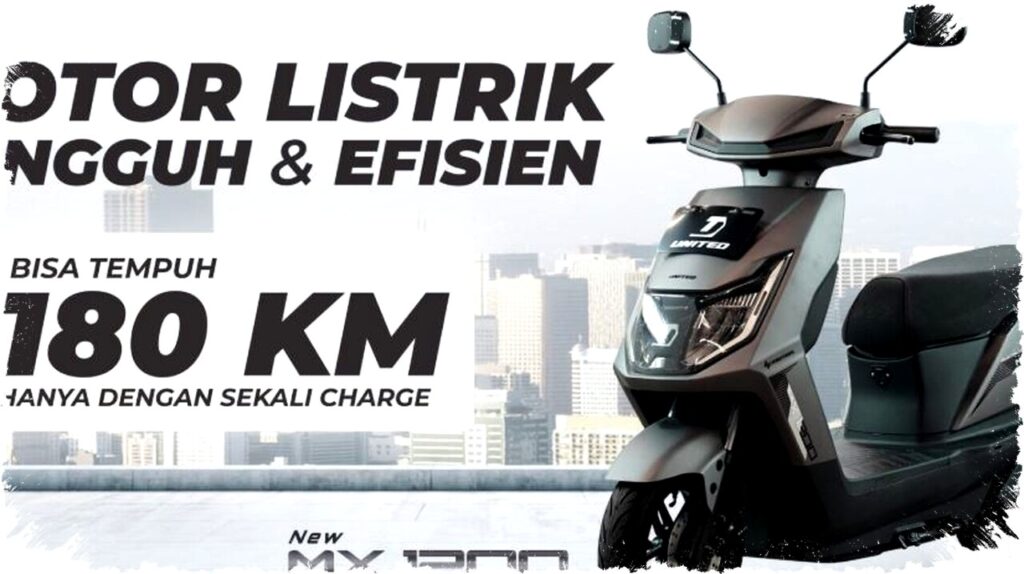
7. United T180
Price: Estimated at $850 after subsidies
United T180 attracts budget-conscious drivers who require dependable basic transportation. Despite its lower price point, it features sufficient range for daily routes and low electricity costs. Its simplicity reduces maintenance complexity, an advantage for drivers without immediate access to specialized repair shops.
8. Terra Motors Raptor
Price: Around $1,100 after subsidies
The Terra Motors Raptor offers strong acceleration and rugged design suitable for varied urban environments. It supports a swap battery station network and provides efficiency up to 100 km per full battery cycle. The Raptor balances affordability, performance, and durability for demanding ojol service.
Electric Motorcycle Adoption Benefits for Ojol Drivers
Switching to electric motorcycles can reduce operational costs substantially. Energy expenses drop sharply compared to gasoline, and fewer moving parts mean less wear and tear. The expanding infrastructure of swap battery stations enables quick recharging during work hours, which minimizes downtime and maximizes earnings potential.
Manufacturers also support buyers with subsidy programs, impacting final purchase prices positively and making electric motorcycles more accessible. These subsidies reflect governmental priorities to reduce emissions and promote sustainable urban transit solutions.
With advancements in battery technology, modern electric motorcycles guarantee increased mileage and faster recharge or swap times. The flexibility offered by subscription or rental models for batteries further lowers upfront costs, enhancing affordability for individuals starting or optimizing their ojol businesses.
Selecting the right electric motorcycle depends on specific work patterns, route lengths, and budget constraints. The models listed provide a spectrum of options balancing cost, range, and features suitable for various operational needs encountered by ojol drivers.
Overall, the growing availability of affordable electric motorcycles with practical range and performance makes them a viable transportation solution for ride-hailing drivers. As infrastructure and incentives improve, these motorcycles will likely become the preferred choice for urban mobility professionals aiming to manage costs effectively while maintaining reliability.