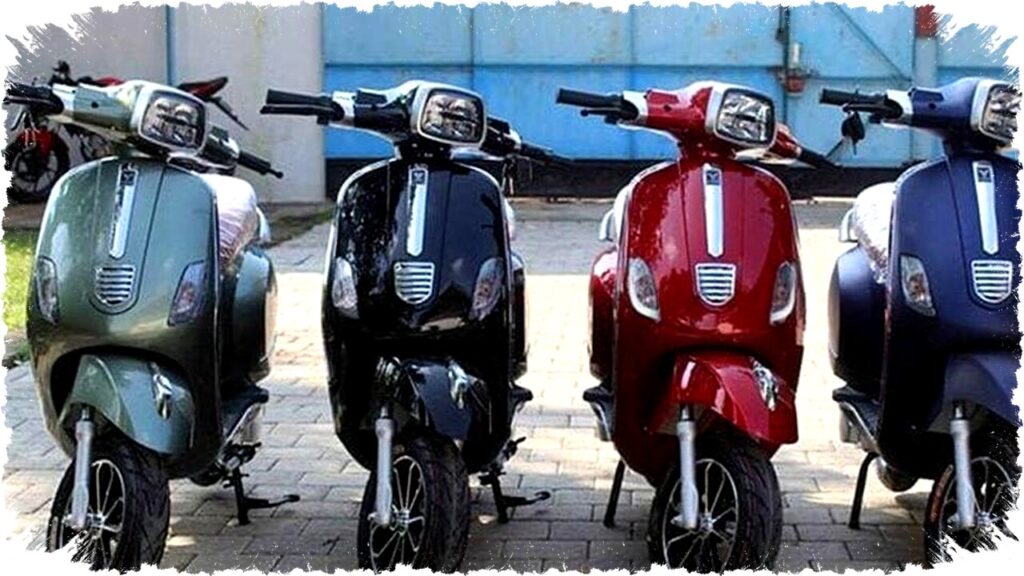
Electric scooters with automatic transmission aesthetics are redefining urban mobility in Indonesia and beyond. These motorbikes combine familiar matic designs with advanced electric technology, offering both style and efficiency. This shift responds to growing consumer demand for practical vehicles that are environmentally friendly and cost-effective. Rising fuel prices and increasing environmental awareness further drive the adoption of electric scooters.
Modern electric scooters now sport sleek designs inspired by popular conventional models such as the Yamaha NMAX and Honda Vario, beloved for their agility and convenience. In addition to their stylish appearance, these electric models incorporate sophisticated features like digital instrument panels and smartphone connectivity. Such advances make electric scooters a compelling choice in 2026, providing lower operational costs without sacrificing functionality.
1. NIU NQi-Series
NIU’s NQi electric scooter offers a streamlined silhouette that closely resembles traditional matic scooters but with a clean, modern twist. It features a powerful electric motor capable of delivering a top speed of around 50 mph. Users benefit from a smart LED dashboard and smartphone app integration that provides real-time data on battery life and location. NIU is renowned for its reliable battery technology, capable of fast charging and providing an estimated range of up to 60 miles on a single charge.
2. Gogoro VIVA
The Gogoro VIVA stands out with its compact and stylish form, mimicking the agility typical of smaller matic scooters. It is equipped with swappable battery packs, a revolutionary concept that reduces downtime significantly. Through an extensive battery swap network, riders can quickly restore their vehicle’s range. The VIVA also boasts customizable digital displays and multiple riding modes targeted toward different urban commuting needs.
3. Yamaha E-Vino
Yamaha’s E-Vino retains the classic retro look of its gasoline-powered predecessors, adapting this style for an electric drivetrain. It blends nostalgia with modern tech, featuring a fully digital instrument cluster and regenerative braking. The scooter offers smooth acceleration typical of electric motors, enhancing urban maneuverability. With a range sufficient for daily city travel and fast charging capabilities, it caters to environmentally conscious riders seeking both form and function.
4. Honda Benly e:
The Honda Benly e: caters to the commercial segment while maintaining a matic-like design. Its utilitarian build emphasizes practicality without compromising on advanced features such as a full digital dashboard and remote monitoring. Ideal for delivery services, it includes a robust electric motor and a battery designed for extended use throughout busy city hours. Honda’s precision engineering ensures reliability, making it a favored choice in the sector transitioning toward electrification.
5. Vespa Elettrica
Vespa’s Elettrica combines classic Italian scooter elegance with state-of-the-art electric technology. Its silhouette remains a faithful homage to traditional Vespa styling but integrates a silent electric powertrain. The digital dashboard offers connectivity features such as GPS and smartphone pairing. While it maintains the heritage design, it provides an environmentally friendly option with a range of approximately 62 miles, aligned with typical urban commuting distances.
6. Gogoro Gogoro 3
Expanding on its innovative battery swap concept, Gogoro 3 presents a futuristic design that still respects the matic scooter format. It integrates advanced rider-assist features like cruise control and customizable riding modes. The ultralight frame improves handling, especially in congested city environments. Proprietary software updates and cloud-based diagnostics augment the ownership experience, positioning Gogoro 3 as a smart mobility device for the modern commuter.
7. Selis E-Max
Selis offers the E-Max as a budget-friendly electric scooter with the aesthetics and ergonomics familiar to matic scooter riders. It provides essential features such as a digital speedometer and a reliable lithium-ion battery with an estimated range adequate for daily commutes. The E-Max emphasizes user-friendly maintenance and offers smooth acceleration, making it accessible to a wide audience transitioning from conventional scooters to electric alternatives.
The trend toward electric scooters designed like matic models meets both consumer familiarity and technological advancement. These vehicles help reduce carbon emissions while cutting operational costs substantially. Governments and manufacturers alike increasingly support infrastructure development such as charging stations and battery swap networks, enhancing usability for widespread adoption.
In addition to their environmental benefits, these scooters often come with customizable modes to suit different riding conditions. Features such as regenerative braking and energy-efficient motors optimize battery use, extending range. Integration with mobile devices allows for route planning, vehicle diagnostics, and security monitoring, reflecting the modern motorist’s digital lifestyle.
With rising fuel costs and stricter emission regulations worldwide, electric scooters offer a sustainable and practical response. The blend of familiar designs and cutting-edge technology ensures these machines appeal across demographics. Riders benefit from smooth, noiseless rides with instant torque typical of electric motors. The ongoing evolution in battery and electronics technology promises even greater improvements in performance and convenience in the near future.
As Indonesian streets witness this growing presence of electric scooters, ride-sharing programs and private ownership models increasingly favor these vehicles. The matic-like appearance reassures traditional scooter users while the smart features emphasize future readiness. Urban mobility is transforming to become cleaner, smarter, and more adaptable to the changing demands of commuters.