

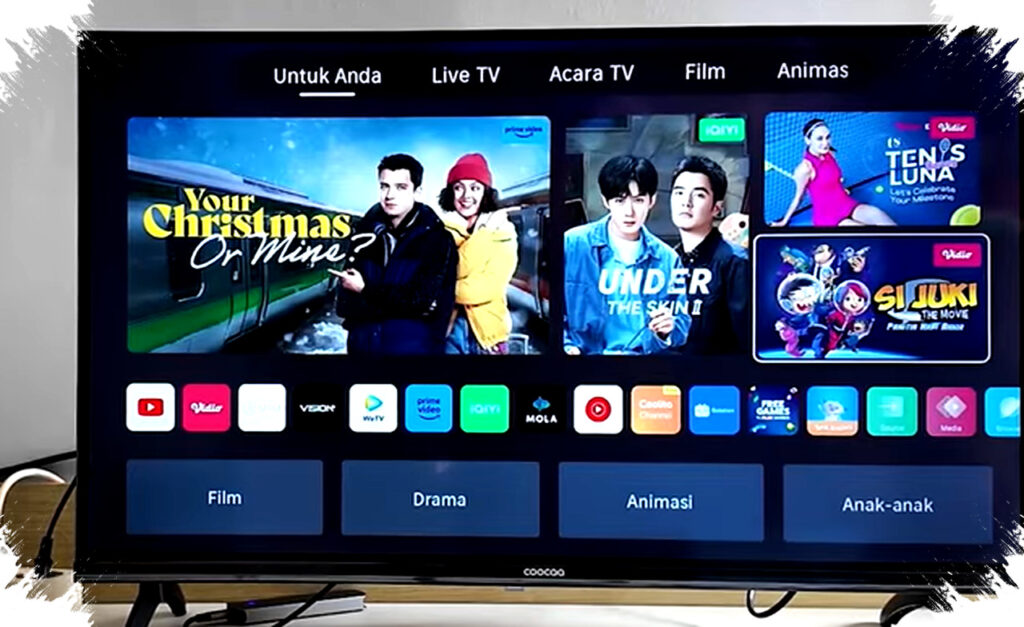
Google TV and Android TV platforms have become central to the smart TV experience, offering consumers versatile options for streaming and entertainment. These systems deliver access to numerous applications, user-friendly navigation, and integration with Google services, enhancing how users interact with content on their large screens. Smart TVs that incorporate these platforms typically feature advanced display technologies and sound enhancements, promising quality visuals and immersive audio.
One notable example is Toshiba’s 32-inch HD Smart TV, which combines Google TV capabilities with the Regza Engine HG image processing. The Regza Engine HG technology excels at upscaling digital broadcast signals, meaning lower-resolution content is enhanced to appear sharper and more vibrant. This makes it possible to enjoy clearer images and more natural color while watching standard TV channels or streaming services.
Google TV vs. Android TV: Understanding the Differences
Google TV is essentially an evolution of Android TV, designed to simplify content discovery and streamline the user interface. While Android TV offers robust app support through the Google Play Store and a customizable home screen, Google TV emphasizes content aggregation across platforms such as Netflix, YouTube, and Disney+, making recommendations based on user preferences. Both platforms run on Android OS, supporting Google Assistant for voice commands and smart home integration.
Some smart TVs still use Android TV due to its mature app ecosystem and customizable features. Brands like TCL and Sony have models powered by Android TV that provide users with flexibility in installing apps and games alongside streaming services. Google TV, implemented in newer devices from brands like Hisense and Sony, provides a more content-centric approach, making it easier to find shows or movies without switching between apps.
Key Features of Smart TVs with Google TV and Android TV
Smart TVs featuring Google TV or Android TV typically include the following features:
- Voice Search and Google Assistant integration for hands-free control.
- Access to thousands of apps via Google Play Store.
- Personalized watch lists and content recommendations.
- Support for 4K Ultra HD resolution and HDR formats like HDR10 for vivid color reproduction.
- Compatibility with casting technologies such as Chromecast built-in.
- Multi-user profiles and parental controls.
These capabilities enable a seamless entertainment experience that caters to diverse preferences.
Display Technologies in Smart TVs
Display performance remains a critical factor when assessing smart TVs. Toshiba’s model uses a DLED VA panel, known for achieving higher contrast ratios and richer colors compared to standard panels. Such panels are favored for delivering deeper blacks and more vibrant images, which improve viewing quality, especially for HDR content. IPS panels typically offer wider viewing angles, but may show less contrast compared to VA panels.
Other brands may employ similar or alternative panel technologies to balance cost and performance. Sharp images, accurate color calibration, and good motion handling are essential to prevent viewer fatigue and maximize immersive experiences.
Sound Enhancement Features
Beyond visuals, audio quality can enrich or detract from smart TV enjoyment. The Toshiba 32-inch Smart TV incorporates Dolby Audio support, which delivers clearer dialogue, deeper bass, and a more enveloping soundstage. Dolby Audio technology optimizes sound output for various content types, enhancing movies, music, and gaming audio alike.
Many competing models include built-in sound enhancements such as DTS Virtual:X or proprietary audio processors to create simulated surround sound without external speakers. Users seeking higher fidelity often pair smart TVs with soundbars or home theater systems via HDMI ARC or eARC connections.
Performance and System Specifications
Although entry-level smart TVs may have modest system specs, performance optimization ensures smooth operation. Toshiba’s 32-inch model is equipped with a quad-core processor, 1 GB of RAM, and 4 GB internal storage. These specifications support quick boot times and responsive navigation within the VIDAA operating system, a lightweight platform that balances features and speed.
VIDAA does not include the Google Play Store, but it offers essential streaming applications like Netflix and YouTube. This system suits users who prioritize reliable streaming and simple interfaces over an extensive app catalog.
Smart TV Selection Tips
When choosing a smart TV with Google TV or Android TV, consider the following:
- Screen size and resolution (e.g., 32 inches with HD or 4K UHD).
- Operating system preferences (Google TV, Android TV, VIDAA, etc.).
- Display technology and HDR support.
- Audio capabilities, especially presence of Dolby Audio or similar.
- Processing power and available storage.
- Budget constraints, with options starting around $70 for entry-level 32-inch models.
- Brand reputation and after-sales service.
Evaluating these criteria helps find a smart TV that balances cost and quality suited to personal needs.
Emerging Trends in Smart TV Technology
Manufacturers increasingly integrate AI-driven enhancements like adaptive brightness, automatic sound optimization, and ambient mode displays to blend TVs better into living spaces. Voice interaction continues to improve with far-field microphones and multilingual support.
Additionally, TVs with Google TV or Android TV platforms often receive over-the-air software updates, ensuring security patches and new features remain available over the lifetime of the device. The convergence of smart home ecosystems further expands the utility of these TVs beyond traditional media, enabling control of lights, thermostats, and security cameras through voice commands.
The landscape of smart TV technology continues to evolve rapidly, driven by user demand for convenience, quality, and connectivity. Understanding the distinctions between Google TV, Android TV, and other systems, alongside features such as advanced display panels and enhanced audio, empowers consumers to make informed decisions on the best television to suit their lifestyle.